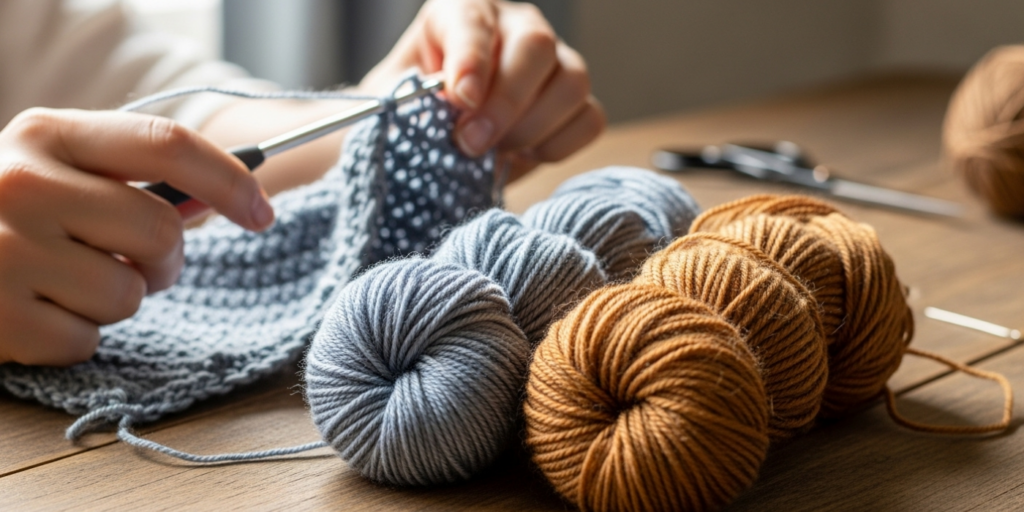
Every crocheter has faced the frustrating moment when a beloved pattern calls for a yarn that is discontinued, out of stock, or simply incompatible with their budget or values. Learning how to substitute yarn correctly transforms this challenge into an opportunity for creativity and resourcefulness. Yarn substitution is far more than swapping one skein for another based on color alone; it requires a methodical understanding of weight categories, fiber behavior, stitch gauge, and project drape. When executed with care, substituting yarn yields garments and accessories that honor the designer’s intent while reflecting your personal style. However, a hasty substitution can lead to irreversible outcomes: a sweater that stretches beyond recognition, a blanket that feels stiff and unwelcoming, or intricate lacework lost in a bulky, inelastic fiber. This comprehensive guide distills years of hands-on experience—from teaching workshops to consulting with yarn manufacturers—into actionable steps for successful yarn substitution. We will move beyond superficial advice to explore the nuanced interplay of material science and craft intuition. Whether you are rescuing a stalled project or intentionally customizing a design, these principles will equip you to substitute yarn with confidence and precision.
What This Topic Means for Crochet & Knitting Businesses
For yarn shops, online retailers, and independent designers, yarn substitution is not merely a technical concern—it is a strategic business imperative that directly impacts customer retention and brand reputation. In many crochet businesses I have advised, staff trained in substitution protocols report significantly fewer returns and exchanges. When a customer arrives seeking yarn for a popular pattern but finds the recommended brand unavailable, a knowledgeable associate can guide them toward alternatives within the same weight category and fiber profile. This service transforms a potential point of frustration into a moment of trust-building. For instance, a shop that maintains a curated “substitution station”—featuring yarns grouped by Craft Yarn Council weight standards alongside printed swatch cards—empowers customers to make informed decisions independently. Pattern designers who proactively address substitution in their instructions also gain a competitive edge. Including details like “This pattern uses a DK-weight wool blend; acceptable substitutes include any yarn with 21–24 stitches per 4 inches on a 4mm hook” reduces support queries and broadens a pattern’s global appeal. From working with multiple crochet brands, I have observed that designers who publish companion blog posts on yarn substitution for their bestsellers see higher conversion rates and social media engagement. Furthermore, businesses that collaborate with yarn manufacturers to develop “pattern-friendly” lines—yarns engineered with consistent dye lots and predictable gauge—create ecosystems where substitution becomes seamless. Ultimately, normalizing yarn substitution as a skill rather than a compromise fosters a more resilient, inclusive fiber arts economy where crafters feel supported regardless of supply chain fluctuations.
Why This Strategy Works Especially Well in the Crochet Community

Yarn substitution resonates deeply within the crochet community due to the craft’s inherent structural flexibility and its global, digitally connected nature. Unlike knitting, where stitch definition often relies on precise yarn elasticity and twist, crochet stitches generate their own texture through loop manipulation, making them more forgiving when yarn characteristics vary moderately. A half-double crochet fabric, for example, maintains integrity across a range of fiber contents—from cotton to acrylic—as long as weight and gauge align. This adaptability encourages experimentation, which the crochet community actively celebrates through hashtags like #yarnsub and #stashbusters on social media platforms. Experienced designers often recommend substitution as a gateway to sustainable practices; by using existing stash yarns, crafters reduce waste while developing a keener eye for material properties. Additionally, the rise of international pattern sharing means crocheters routinely encounter designs written for region-specific yarns. A pattern published by a European designer might specify a yarn unavailable in North American markets, necessitating substitution. Rather than excluding crafters, this reality has cultivated a culture of resourcefulness. In my experience facilitating online crochet groups, members who master substitution report higher project completion rates and greater creative satisfaction. They view patterns as frameworks rather than rigid prescriptions, leading to innovative colorwork and texture combinations that honor the original design while expressing individuality. This mindset not only preserves the joy of making but also strengthens community bonds through shared problem-solving—a hallmark of crochet’s collaborative spirit.
Materials, Tools, or Resources Needed
Successful yarn substitution begins with gathering the right tools to analyze both the original and substitute yarns objectively. You do not need expensive equipment, but precision instruments prevent costly guesswork. First, a reliable digital scale measuring to 0.1 grams is essential for calculating yardage per weight when labels are missing—a common issue with stash yarns or hand-dyed skeins. Second, a set of US and metric crochet hooks spanning sizes B-1 (2.25mm) to N-15 (10mm) allows you to adjust hook size during swatching to match gauge. Third, a stitch gauge ruler with both inch and centimeter markings ensures accurate measurement of swatch dimensions. Fourth, a fabric drape tester—simply a 6-inch cardboard circle with a central hole—helps assess how yarn hangs, which is critical for garments. Fifth, keep a notebook or digital template to record swatch data: yarn name, fiber content, hook size, stitches per inch, rows per inch, and subjective notes on hand feel and elasticity. Additional resources include the Craft Yarn Council’s Standard Yarn Weight System chart (freely available online), Ravelry’s yarn database for comparing user-submitted swatches, and apps like YarnSub that suggest commercial alternatives based on weight and fiber. For businesses, investing in a yarn microscope to examine ply structure and fiber alignment can elevate substitution advice to professional levels. Remember, these tools are not luxuries; they are foundational to treating substitution as a repeatable process rather than a gamble.
Yarn Types and Fiber Considerations
Fiber content fundamentally influences how a substitute yarn will behave in your project, often more than color or brand. Natural fibers like wool, cotton, linen, and silk each possess distinct properties that affect drape, elasticity, and care requirements. Wool, for instance, has natural memory and bounce, making it ideal for garments requiring shape retention; substituting it with a non-elastic fiber like cotton in a fitted sweater may result in sagging over time. Conversely, cotton’s crisp stitch definition excels in amigurumi or dishcloths but lacks the warmth and stretch of wool for winter accessories. Plant-based fibers such as bamboo or tencel offer beautiful drape but can stretch when wet, necessitating blocking adjustments. Synthetic fibers like acrylic or nylon provide affordability and durability but vary widely in quality; some budget acrylics pill excessively or feel stiff, while premium blends mimic natural fiber hand-feel. Blends introduce further complexity—a 70% wool/30% nylon sock yarn balances elasticity with wear resistance, whereas substituting it with 100% acrylic might compromise fit. Always check the substitute yarn’s washing instructions; a hand-wash-only silk substituted into a baby blanket intended for machine washing creates practical hazards. From working with multiple crochet brands, I have seen projects fail not due to weight mismatch but because fiber characteristics were overlooked. For example, substituting a lofty, airy mohair for a dense merino in a lace shawl alters transparency and warmth dramatically. When evaluating fibers, prioritize the project’s end use: drape for shawls, stitch definition for textured blankets, elasticity for wearables. Never assume similar weights imply similar behavior—swatching remains non-negotiable.
Skill Level Breakdown
Yarn substitution is accessible at every skill level, but the approach must align with your experience to avoid frustration. Beginners should start with low-risk projects like scarves, dishcloths, or simple blankets where exact measurements are less critical. Focus on matching yarn weight first—using the Craft Yarn Council’s numbered system (0–7)—and fiber content second. For instance, substituting one worsted-weight acrylic for another in a basic granny square blanket carries minimal risk. Always make a swatch; even small projects benefit from checking gauge to prevent running out of yarn. Intermediate crocheters can tackle substitution in garments with moderate shaping, such as drop-shoulder sweaters or A-line skirts. At this level, analyze not only weight and fiber but also drape and stitch definition. If substituting for a cable-heavy pattern, choose a yarn with good stitch memory (like wool) rather than a slippery silk that obscures texture. Adjust hook size incrementally during swatching to achieve both stitch and row gauge—a common hurdle in garment making. Advanced crocheters may substitute yarn in complex projects like tailored garments, colorwork, or lace with confidence. This requires deep understanding of how fiber elasticity affects shaping, how dye lots influence color pooling, and how to modify patterns when gauge shifts. For example, substituting a fingering-weight yarn for a laceweight in a shawl might require recalculating stitch counts to maintain dimensions. Experienced designers often recommend that advanced crafters maintain a personal yarn library with swatches labeled by weight, fiber, and hook size—a resource invaluable for future substitutions. Regardless of level, humility is key: even experts swatch rigorously, acknowledging that yarn behavior can surprise.
Step-by-Step Guide
Executing yarn substitution successfully demands a systematic approach. Follow these detailed steps for reliable results.
Step 1: Analyze the Original Yarn Specifications
Locate the pattern’s yarn requirements, noting brand, weight category (e.g., DK, worsted), fiber content, yardage per skein, and recommended hook size. If the yarn is discontinued, search Ravelry or yarn databases for historical data. Examine any provided gauge: stitches and rows per 4 inches. This gauge is your target.
Step 2: Select a Potential Substitute Yarn
Choose a yarn matching the original’s weight category first. Use the Craft Yarn Council chart as a baseline—do not rely solely on brand labels, as terms like “aran” vary globally. Next, prioritize similar fiber content; substituting wool for wool preserves elasticity. If altering fiber (e.g., wool to cotton), anticipate changes in drape and weight. Verify the substitute has sufficient yardage; calculate total project yardage (pattern yardage × number of skeins) and divide by substitute yardage per skein to determine required skeins. Always purchase extra for swatching and adjustments.
Step 3: Swatch with Purpose
Using the pattern’s recommended hook size, crochet a swatch at least 6×6 inches in the specified stitch pattern (e.g., single crochet for amigurumi, double crochet for blankets). Do not skip pattern-specific stitches—lace or cables behave differently than plain fabric. Block the swatch as you would the finished project: hand-wash gently, reshape, and air-dry flat. This step reveals how the yarn responds to moisture and tension.
Step 4: Measure Gauge Accurately
After blocking, lay the swatch on a flat surface. Use a stitch gauge ruler to count stitches and rows over 4 inches in the center of the swatch, avoiding edges. Compare to the pattern gauge. If stitches per inch match but rows differ, you may adjust row count during assembly. If both are off, proceed to Step 5.
Step 5: Adjust Hook Size Iteratively
If gauge is too loose (fewer stitches per inch), switch to a smaller hook and re-swatch. If too tight (more stitches per inch), use a larger hook. Change hook size by 0.5mm increments—larger jumps risk inconsistent tension. Re-block and remeasure each swatch. Patience here prevents project-wide errors.
Step 6: Evaluate Drape and Hand Feel
Drape the blocked swatch over your hand or a mannequin arm. Does it hang like the original yarn’s swatch (if available)? For garments, poor drape causes stiffness or bagginess. Rub the fabric between fingers: is it scratchy, smooth, or stiff? These tactile qualities impact wearability.
Step 7: Test Color and Texture
View the swatch in natural and artificial light. Some dyes shift hue under different lighting, altering the project’s aesthetic. For variegated yarns, work a larger swatch to assess color pooling—unintended stripes or blotches that distract from stitch patterns.
Step 8: Calculate Yardage Adjustments
If your final gauge differs slightly from the pattern (e.g., 18 sts/4″ vs. 19 sts/4″), recalculate total yardage. Fewer stitches per inch means more yarn consumption; use the formula: (Original gauge ÷ Your gauge) × Pattern yardage = Adjusted yardage. Round up generously.
Step 9: Document Your Process
Record all details: substitute yarn name, hook size used, final gauge, and observations. This log becomes invaluable for future substitutions and troubleshooting.
Step 10: Proceed with Confidence
Begin your project, but measure key dimensions (e.g., garment width) after completing major sections. Early detection of gauge drift allows correction before finishing.
Common Mistakes and How to Avoid Them
Even experienced crocheters fall into substitution traps that compromise projects. The most frequent error is ignoring row gauge while focusing solely on stitch gauge. A sweater may fit width-wise but end up too short or long if row count is miscalculated, distorting armhole placement. Always swatch in the pattern’s stitch and measure both dimensions. Another pitfall is substituting yarns with vastly different textures—such as replacing a smooth mercerized cotton with a tweedy wool—in intricate lace patterns. The substitute’s nubs and slubs obscure delicate openwork, muting the design’s intent. To avoid this, match not only weight but also surface smoothness for detailed stitches. Color substitution errors also abound; using a highly saturated dye lot next to a muted one in colorwork creates visual discord, while substituting a self-striping yarn for solids in a motif-based pattern disrupts the design rhythm. Always work a color swatch alongside the original if possible. Fiber incompatibility causes functional failures: substituting non-breathable acrylic for linen in a summer top leads to discomfort, while using a non-felting fiber like superwash wool in a project requiring intentional felting yields disappointing results. Care labels are equally critical—substituting hand-wash silk into a children’s item destined for machine washing invites damage. Finally, many crafters skip blocking swatches, unaware that fibers like cotton or bamboo relax significantly when wet, altering final dimensions. Blocking is non-optional for accurate assessment. Prevention hinges on methodical swatching and honest evaluation of the substitute’s limitations relative to the project’s demands.
Advanced Tips and Professional Insights
Beyond foundational steps, nuanced techniques separate adequate substitutions from exceptional ones. First, understand that yarn weight categories have ranges; a “worsted” yarn might knit to 16–20 stitches per 4 inches. When substituting, target the specific gauge within that range rather than the category label alone. Second, ply structure matters—two-ply yarns often drape differently than four-ply equivalents of the same weight due to twist balance. Hold substitute yarns up to light; a tightly plied yarn reflects light uniformly, while a loosely plied one appears matte, affecting perceived color depth. Third, for colorwork, assess not just hue but value (lightness/darkness). A substitute with identical color but higher value may flatten dimensionality in Fair Isle patterns. Use a grayscale filter on your phone camera to compare values objectively. Fourth, in garment construction, compensate for fiber elasticity: if substituting a less elastic yarn (e.g., cotton for wool), add subtle ease to the pattern measurements to prevent tightness. Fifth, leverage yarn substitution for customization—replace a standard acrylic with a recycled cotton blend to align with eco-values, or swap in a hand-dyed skein for focal points like collars. From consulting with sustainable yarn brands, I recommend requesting sample cones before bulk purchases; many mills provide 50g samples for swatching. Lastly, document substitutions in project notes with photographs; this builds a personal reference library that accelerates future decisions. Remember, substitution is not compromise—it is curation.
Real-World or Hypothetical Examples
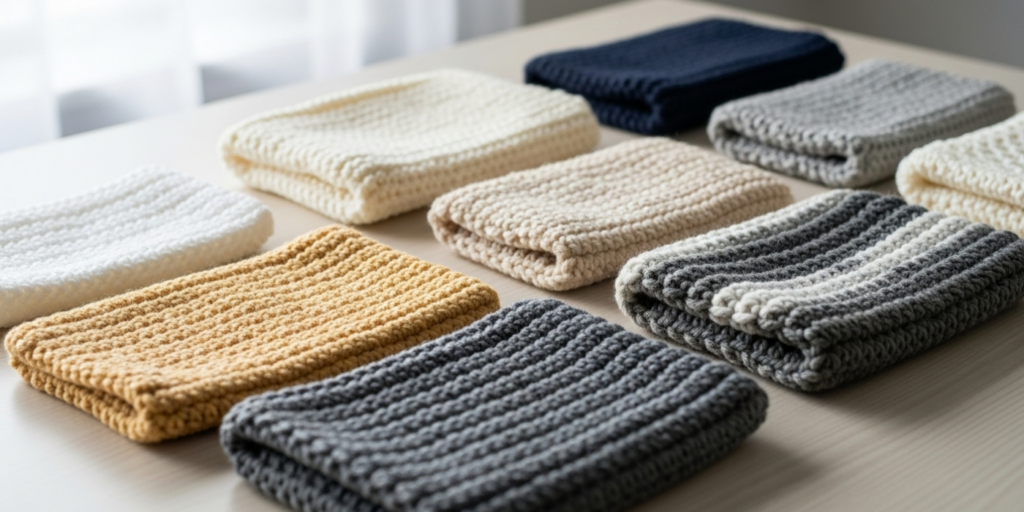
Consider a crocheter named Elena who purchased a pattern for a cabled cardigan requiring a specific merino wool DK yarn, now discontinued. Rather than abandoning the project, she analyzed the original specs: 22 stitches per 4 inches on a 4mm hook, 123 yards per 50g skein. She selected a substitute: a commercially available DK-weight merino/nylon blend with 125 yards per 50g. Her first swatch on a 4mm hook yielded 20 stitches per 4 inches—too loose. She swatched again on a 3.75mm hook, achieving 22 stitches but only 26 rows versus the pattern’s 30. Recognizing row gauge discrepancy, she calculated that the body length would be 1.5 inches shorter than intended. Instead of forcing the gauge, she added four rows to each pattern repeat during crocheting, maintaining stitch definition while achieving correct length. The result was a cardigan with identical drape and warmth, personalized with her preferred colorway. In another scenario, a small business owner, Marco, sells patterns for market bags requiring 100% cotton for structure. When customers requested substitutions for softer fibers, he developed a companion guide specifying that any substitute must have under 10% stretch when pulled and at least 8 wraps per inch (WPI) to maintain bag integrity. He included swatch photos comparing cotton, linen, and bamboo substitutes, empowering buyers to choose confidently. These examples underscore that successful substitution blends technical precision with adaptive problem-solving—a hallmark of skilled craftsmanship.
Customization and Adaptation Ideas
Yarn substitution unlocks creative customization beyond mere replacement. For eco-conscious crafters, swap conventional acrylics with recycled cotton or Tencel blends to reduce environmental impact without sacrificing softness—ideal for baby items. In heritage projects, substitute modern yarns with breed-specific wools (e.g., Cormo or Shetland) to honor traditional techniques while supporting small farms. Color enthusiasts can reinterpret patterns by substituting solid yarns with tonal hand-dyes for subtle depth, or vice versa to highlight stitch complexity. For sensory-sensitive users, replace scratchy wools with superwash merino or bamboo in wearable items, ensuring comfort without altering weight. Texture experimentation also thrives through substitution: use a chainette-constructed yarn (multiple plies twisted like a chain) for drapey shawls where a standard ply would sag, or substitute a tweed yarn with neps for visual interest in minimalist designs. When adapting patterns for different climates, choose fibers strategically—substitute alpaca for wool in cold-weather garments for added warmth, or linen for cotton in humid regions for breathability. Always validate adaptations with swatches, but embrace substitution as a tool for personal expression. From my observations in crochet communities, the most cherished projects often stem from thoughtful substitutions that align materials with maker values and end-use needs.
Care, Maintenance, or Best Practices
Post-substitution care ensures project longevity and validates your yarn choice. Always adhere to the substitute yarn’s washing instructions, which may differ from the original pattern’s recommendations. For instance, substituting machine-washable superwash wool for non-superwash requires adjusting care routines to prevent felting. Test colorfastness before full immersion: dampen a hidden swatch area, press with a white cloth, and check for dye transfer—critical when mixing light and dark yarns. For projects combining multiple substitute yarns, wash a composite swatch to detect differential shrinkage; cotton may contract while acrylic remains stable, causing puckering at seams. Blocking techniques should align with fiber behavior: wool benefits from wet blocking to set stitches, while acrylic responds better to steam blocking (without direct contact). Store finished items folded rather than hung to prevent stretching, especially with heavier substitutes like cotton replacing lighter wools. In humid climates, substitute yarns with natural moth resistance (e.g., alpaca) for wool in stored garments, or include cedar blocks. Document care instructions for gift recipients—a small tag noting “hand wash cold, lay flat to dry” prevents well-intentioned damage. These practices transform substitution from a one-time decision into an ongoing stewardship of your handmade creations.
Monetization Opportunities
For content creators and small businesses, yarn substitution expertise presents ethical monetization avenues without aggressive sales tactics. Educational content performs exceptionally well: develop a premium video course detailing substitution workflows, complete with downloadable swatch templates and fiber comparison charts. Such resources attract crocheters seeking depth beyond free blog posts. Affiliate marketing can be implemented responsibly by linking to yarn databases or tools mentioned in substitution guides—disclose affiliations transparently to maintain trust. Pattern designers may offer “substitution add-ons”: paid PDF supplements for popular patterns that list vetted yarn alternatives by region and budget, reducing customer service load while adding value. Yarn shops can host paid virtual workshops teaching substitution techniques, using their inventory as live examples—this drives sales while positioning staff as experts. For bloggers, creating a searchable yarn substitution database (e.g., “Find substitutes for Lion Brand Wool-Ease”) generates consistent organic traffic and AdSense revenue through high user engagement. Crucially, all monetization must prioritize education; avoid implying that specific paid products are the only solutions. From experience with handmade brands, audiences reward authenticity—content that empowers crafters to make informed choices, regardless of where they purchase yarn, builds sustainable loyalty far more effectively than promotional messaging.
Frequently Asked Questions
Can I substitute a different yarn weight if I adjust my hook size?
Adjusting hook size compensates moderately for weight differences but has limits. Using a smaller hook with bulky yarn may achieve stitch gauge but creates stiff, dense fabric lacking drape—unsuitable for garments. Conversely, a larger hook with laceweight yarn yields loose, holey fabric. Generally, stay within one weight category (e.g., substitute DK for light worsted). For greater deviations, recalculate the entire pattern: stitch counts, shaping intervals, and yardage. Always swatch extensively; if the fabric feels structurally unsound (e.g., no recovery when stretched), abandon the substitution. Experienced designers often recommend weight matching as non-negotiable for fitted items but allow flexibility in accessories like scarves where drape is less critical.
How do I substitute yarn when the original is discontinued and I have no details?
Without specifications, rely on physical analysis. First, determine weight using wraps per inch (WPI): wrap yarn snugly around a ruler for one inch and count wraps. Compare to standard charts (e.g., 12–14 WPI indicates DK weight). Next, assess fiber by burn test (safely!): wool smells like hair and self-extinguishes; cotton burns quickly with paper-like ash; acrylic melts and smells chemical. For gauge, swatch with various hooks until fabric resembles the project’s intended density. Search Ravelry’s project pages for the pattern to see what others used as substitutes. If the project is partially complete, match new yarn to existing stitches by drape and elasticity rather than color alone. Document your findings to aid future substitutions.
Is it okay to mix different yarn brands in one project?
Mixing brands is acceptable if weight, fiber content, and gauge align precisely. Always swatch the combination together—dye lots and manufacturing processes cause subtle variations in twist or softness that affect uniformity. For large projects like blankets, alternate skeins every two rows to prevent visible pooling or striping. Never mix fibers with conflicting care needs (e.g., hand-wash silk with machine-wash acrylic) unless the entire item will follow the most restrictive method. In colorwork, ensure all yarns have identical yardage per weight to avoid running short mid-project. From working with multiple crochet brands, I advise testing mixed-yarn swatches after washing to detect differential shrinkage—a common cause of puckered seams.
What if my substitute yarn has a different yardage per skein?
Calculate total project yardage first: multiply the pattern’s required skeins by yards per skein. Then divide by your substitute’s yards per skein to determine needed skeins. Always round up and buy extra for swatching and errors. For example, a pattern requiring 5 skeins of 200-yard yarn needs 1,000 total yards. A substitute with 150 yards per skein requires 7 skeins (1,050 yards). Track usage as you crochet; if gauge differs slightly, yardage consumption may vary. Keep dye lot numbers consistent—purchase all skeins at once to avoid shade variations. For stash yarns without labels, weigh the skein and compare to a known yarn’s weight-to-yardage ratio, or use a yarn meter app for estimation.
Can I substitute acrylic yarn for natural fibers in baby items?
Acrylic is acceptable for baby items if it meets safety standards (e.g., Oeko-Tex certification for low toxins) and the parent prefers easy care. However, natural fibers like cotton or bamboo offer superior breathability and temperature regulation, reducing overheating risks. Avoid acrylics with rough textures or excessive pilling near sensitive skin. Always prioritize hypoallergenic properties—some babies react to wool but tolerate superwash merino. Crucially, match weight and drape: a stiff acrylic substituted for soft cotton in a baby blanket may feel uncomfortable. Wash and block a swatch to ensure softness post-care. Never substitute non-flame-retardant yarns for items requiring safety compliance; verify certifications when in doubt.
How do I substitute yarn for a pattern with multiple colors?
Treat each color as a separate substitution challenge. Match weight and fiber first, then evaluate color relationships. Use a grayscale photo to compare values (lightness/darkness)—colors with similar values blend poorly in motifs. For self-striping yarns, calculate stripe repeat length by swatching a large section; substitute only if repeats align with pattern dimensions to avoid cutting stripes mid-motif. When using hand-dyed yarns, purchase all skeins from the same dye lot and alternate every two rows to blend variations. For fair isle or intarsia, ensure all substitutes have identical elasticity to prevent puckering at color changes. Always swatch the full color sequence to assess visual harmony before committing to the project.
Conclusion
Mastering yarn substitution transforms limitations into creative opportunities, empowering you to complete projects with confidence and intentionality. By methodically evaluating weight, fiber, gauge, and drape—and validating choices through rigorous swatching—you honor both the designer’s vision and your personal craft journey. Remember that substitution is not a compromise but a skill refined through practice; even experienced crocheters encounter surprises, making documentation and adaptability essential. As you apply these principles, you contribute to a more sustainable, inclusive fiber arts community where resourcefulness is celebrated. Begin your next substitution with a small swatch, trust the process, and embrace the unique character your chosen yarn brings to the work. The most successful projects often emerge not from perfect adherence to instructions, but from thoughtful adaptation that reflects your hands, your values, and your story. Happy crocheting.

Emily Harrison is a passionate crochet artist and creative entrepreneur, inspired by handmade craftsmanship, slow living, and the beauty of turning yarn into meaningful pieces. Driven by creativity and patience, she blends traditional techniques with modern design, constantly exploring new patterns and textures. Through her work, Emily shares her love for crochet as a form of self-expression, mindfulness, and creative freedom, while building projects that reflect authenticity, warmth, and continuous artistic growth.