The dream of turning your crochet passion into a profitable online business is exciting, yet the reality often brings feelings of overwhelm. Between pricing your items, managing social media, handling customer inquiries, and shipping orders, it’s easy to feel buried under tasks. However, selling crochet projects online doesn’t have to be stressful. With the right strategies, you can build a sustainable handmade business that brings joy rather than anxiety. This guide will walk you through practical steps to sell crochet projects online efficiently, focusing on simplicity and scalability. Whether you’re a beginner or an experienced crafter, you’ll learn how to streamline your processes and grow your brand without burning out. The key lies not in working harder, but in establishing systems that protect your creative energy while reaching appreciative customers worldwide. By adopting a mindful approach to e-commerce, you can transform overwhelm into opportunity and build a business that supports your lifestyle rather than dictating it.
What Selling Crochet Projects Online Means for Crochet & Knitting Businesses
For many fiber artists, the transition from hobbyist to business owner represents a significant psychological shift. Selling crochet projects online isn’t merely about listing items on a marketplace; it’s about creating a sustainable ecosystem where creativity and commerce coexist harmoniously. In today’s digital landscape, handmade businesses face unique pressures—algorithm changes, platform fees, and the constant demand for new content can quickly erode the joy that initially drew artisans to their craft. However, when approached strategically, online selling becomes a powerful extension of your artistic expression rather than a burden.
From working with multiple crochet brands over the years, I’ve observed that successful handmade businesses share a common foundation: they treat their craft as a legitimate enterprise while preserving the handmade essence that customers value. This means implementing business fundamentals—such as consistent pricing structures, inventory management, and customer service protocols—without sacrificing the personal touch that distinguishes handmade goods. The overwhelm many artisans experience often stems from attempting to handle every aspect of the business simultaneously without prioritization. By reframing online selling as a series of manageable systems rather than an all-consuming identity, crafters can maintain their creative spark while building financial stability.
The digital marketplace has evolved significantly, moving beyond simple transactional platforms to communities where storytelling and authenticity drive purchasing decisions. Customers purchasing crochet items aren’t just buying a physical product; they’re investing in a narrative—the hours of skilled labor, the thoughtful yarn selection, and the artisan’s unique perspective. This shift benefits handmade sellers who can communicate their process authentically. For knitting and crochet businesses specifically, this means leveraging the tactile, sensory nature of fiber arts to create deeper customer connections. When you understand that selling online is fundamentally about relationship-building rather than mere order fulfillment, the process becomes less intimidating and more aligned with the communal spirit inherent in fiber arts traditions.
Why This Strategy Works Especially Well in the Crochet Community
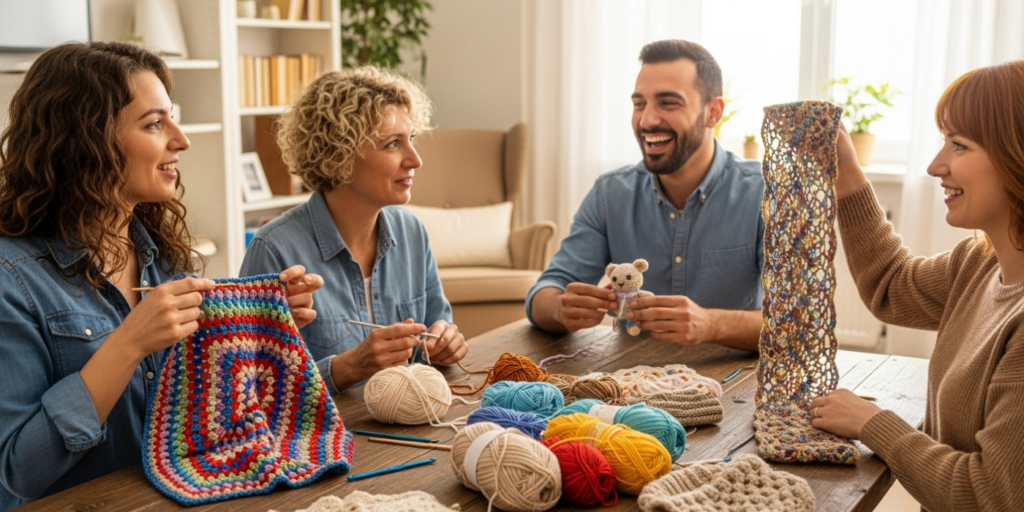
The crochet community possesses unique characteristics that make a mindful approach to online selling particularly effective. Unlike mass-produced goods, handmade crochet items carry inherent emotional value—each stitch represents time, skill, and intention. This emotional resonance creates natural customer loyalty when communicated authentically. Experienced designers often recommend leaning into the community-oriented nature of crochet culture rather than adopting aggressive sales tactics that feel alien to crafters’ values.
In many crochet businesses I’ve consulted with, the most sustainable growth occurred when sellers embraced their role as educators and community builders rather than pure vendors. The crochet world thrives on knowledge sharing—patterns are exchanged, techniques are demonstrated, and encouragement flows freely across social platforms. This collaborative spirit translates beautifully to online business when approached intentionally. For instance, sharing works-in-progress builds anticipation for finished items while demonstrating your expertise. Answering technique questions in comments establishes authority without hard selling. These small actions compound into trust, which directly reduces the pressure to constantly promote products.
Furthermore, the tactile nature of fiber arts creates natural content opportunities that alleviate marketing overwhelm. Unlike digital products requiring constant creation of promotional material, crochet items generate organic content through their making process. A single project can yield multiple content pieces: yarn selection photos, progress shots, finished item flat lays, and lifestyle images showing the piece in use. This built-in content pipeline means you’re never starting from scratch when planning social media posts. Many successful sellers batch-create content during dedicated crafting sessions, eliminating the daily pressure to produce new marketing material.
The crochet community’s emphasis on sustainability and slow living also aligns perfectly with anti-overwhelm business practices. Customers increasingly value transparency about materials, production timelines, and maker stories—elements that handmade sellers naturally provide. This cultural alignment means you can build a business that honors your values rather than forcing you into practices that feel inauthentic. When your business model reflects community values—such as reasonable production timelines, ethical material sourcing, and genuine customer interactions—the emotional labor of selling diminishes significantly. You’re not fighting against your nature as a crafter; you’re amplifying it through thoughtful systems.
Materials, Tools, or Resources Needed
Building an online crochet business requires surprisingly few physical tools but thoughtful selection of digital resources. The overwhelm often begins when artisans invest in unnecessary equipment before validating their market. Start with essentials that serve multiple purposes, then expand strategically as revenue permits. From my observations of sustainable handmade businesses, the most successful sellers prioritize tools that save time rather than those that promise perfection.
Essential Physical Tools:
- A decent smartphone camera (most modern phones suffice) with natural lighting setup—a north-facing window and a simple white poster board backdrop cost under $20
- Basic packaging supplies: poly mailers in 2-3 sizes, branded stickers or custom tape for unboxing experience, and thank-you cards that can be printed affordably in bulk
- A kitchen scale for accurate shipping calculations, preventing costly postage errors
- A dedicated space for photographing items, even if it’s just a cleared corner of a table with consistent lighting
Digital Infrastructure:
- An e-commerce platform aligned with your goals: Etsy offers built-in traffic for beginners, while Shopify provides more branding control as you scale
- Accounting software like Wave (free) or QuickBooks Self-Employed to track income/expenses without spreadsheet overwhelm
- A simple scheduling tool like Google Calendar for time blocking—dedicating specific days to creating, photographing, and administrative tasks prevents role-switching fatigue
- Email marketing platform with free tiers (MailerLite or Mailchimp) to build a customer list independent of social media algorithms
Knowledge Resources:
- One comprehensive pricing guide rather than scattered formulas—understanding your true costs prevents undercharging stress later
- A single contract template for custom orders to protect both you and your customers
- Access to a supportive community (online groups, local guilds) for troubleshooting without isolation
Many artisans waste energy and money on professional cameras, elaborate backdrops, or complex software before validating product demand. Instead, invest first in understanding your ideal customer through simple market research—browse successful shops in your niche, note their pricing, photography style, and customer reviews. This intelligence gathering requires only time, not money, and prevents the overwhelm of building in the wrong direction. Remember that customers purchase your craftsmanship and authenticity, not studio-quality photography. A well-lit, clear image showing texture and scale matters more than artistic complexity.
Yarn Types and Fiber Considerations
Your yarn choices directly impact your business sustainability, customer satisfaction, and even your emotional experience as a seller. Fiber selection influences production speed, pricing strategy, care requirements, and ultimately, the overwhelm factor in your business. From working with multiple crochet brands, I’ve seen how thoughtful material choices prevent common pain points like customer complaints about shrinkage or pilling.
Natural fibers like wool, cotton, and linen create premium positioning but require education about care instructions. Merino wool offers beautiful drape and warmth but demands hand-washing guidance to prevent felting. Many successful sellers include care cards with each order, reducing post-purchase anxiety for customers and minimizing returns. Cotton provides durability for items like market bags or dishcloths but can be heavy and slow to crochet, affecting your production capacity. Consider your physical comfort—crocheting with stiff cotton for hours may cause hand strain, indirectly contributing to business burnout.
Synthetic blends offer practical advantages for beginners selling online. Acrylic yarns are affordable, machine-washable, and colorfast—reducing customer service issues about fading or shrinking. However, they carry environmental concerns that increasingly matter to handmade shoppers. A balanced approach many artisans adopt: use acrylic for children’s items requiring frequent washing, but natural fibers for statement pieces where texture and sustainability justify higher pricing. This strategic selection prevents the overwhelm of managing too many yarn types while meeting diverse customer needs.
Fiber weight significantly impacts your production timeline and pricing psychology. Bulky weight yarns work up quickly, allowing faster order fulfillment and cash flow—critical when starting out. However, they consume yarn rapidly, affecting material costs per item. Fingering weight creates delicate, premium pieces but requires substantially more labor hours. Experienced designers often recommend establishing a core collection using 2-3 yarn weights you enjoy working with consistently. This specialization reduces decision fatigue when sourcing materials and creates brand recognition through consistent texture and drape.
Sustainability considerations increasingly influence purchasing decisions. While organic or ethically sourced yarns command higher prices, they attract customers willing to pay premiums for values-aligned products. Rather than overhauling your entire inventory at once, introduce one sustainable line as a “premium collection” to test market response. This measured approach prevents the overwhelm of complete business pivots while allowing gradual evolution toward practices that resonate with your values and customer base.
Skill Level Breakdown
Your business skills—not just your crochet proficiency—determine your capacity to sell online without overwhelm. Many artisans mistakenly believe advanced stitching techniques are prerequisites for selling, when actually foundational business habits matter more initially. I’ve observed that sellers at every technical skill level can build sustainable businesses by matching their operational complexity to their current capacity.
Beginner Sellers (0-6 months experience): Focus exclusively on mastering one sales channel—typically Etsy due to its built-in audience. Limit your product line to 3-5 items using simple, reliable patterns you can reproduce consistently. Your primary business skill development should center on accurate photography and writing compelling descriptions that highlight texture and sizing. Avoid custom orders initially; they introduce unpredictable variables that amplify overwhelm. Instead, perfect your process for standard items. Time management is critical: dedicate two hours weekly to shop maintenance rather than daily fragmented efforts. This constraint prevents burnout while building momentum. Many successful shops began with this focused approach, expanding only after establishing predictable workflows.
Intermediate Sellers (6-18 months experience): You’ve validated product demand and can now systematize operations. Develop batch production rhythms—dedicate Mondays to creating inventory, Wednesdays to photography, Fridays to packaging orders. This role-specific scheduling reduces cognitive load from constant context switching. Begin diversifying income streams cautiously: perhaps adding one digital product like a simple pattern alongside physical items. Implement basic email collection at checkout to build direct customer relationships independent of platform algorithms. Your skill development should focus on financial literacy—understanding profit margins after all fees, not just revenue. Many intermediate sellers experience overwhelm when scaling too quickly; resist adding new sales channels until current systems run smoothly for three consecutive months.
Advanced Sellers (18+ months experience): Your challenge shifts from operational execution to strategic delegation and scaling. Advanced sellers prevent overwhelm by identifying tasks only they can perform (designing new collections, brand storytelling) versus those others can handle (fulfillment, basic customer service). Consider virtual assistants for administrative tasks at $15-25/hour—many fiber artists find this investment pays for itself by reclaiming creative time. Develop signature processes that become your brand’s backbone: perhaps a distinctive packaging experience or a post-purchase email sequence that delights customers without daily effort. Advanced skill development focuses on market analysis—identifying seasonal trends early to prepare collections without last-minute rushes. Remember that sophistication doesn’t require complexity; the most resilient handmade businesses maintain elegant simplicity even at scale.
At every level, self-awareness about your energy patterns prevents overwhelm. If you’re a morning person, schedule demanding tasks like photography then. If social media drains you, batch-create content monthly rather than daily posting. Your business should adapt to your humanity, not demand you become a different person.
Step-by-Step Guide to Sell Crochet Projects Online Without Stress
This detailed roadmap transforms abstract overwhelm into concrete, manageable actions. Implement these steps sequentially over 8-12 weeks rather than simultaneously—rushing creates the very stress we’re avoiding. Each phase builds confidence before advancing.
Phase 1: Foundation (Weeks 1-2) Begin by defining your niche with surgical precision. “Crochet items” is too broad; “chunky knit-style cowls for professional women in cold climates” is actionable. Research five successful shops in your chosen niche. Note their best-selling items, price points, and customer review language—this reveals unspoken customer desires. Next, calculate your true pricing using this formula: (Yarn cost + 20% overhead) + (Hours spent × your hourly rate). Your hourly rate should start at $15-25 as a beginner, reflecting skill development value beyond minimum wage. Many artisans underprice catastrophically here; remember that undervaluing your work attracts difficult customers and guarantees burnout. Finally, create three inventory items using this pricing model—no more. This constraint prevents initial overwhelm while providing real products to photograph.
Phase 2: Platform Setup (Weeks 3-4) Choose one sales platform aligned with your niche. For most beginners, Etsy provides the gentlest learning curve with built-in traffic. Create your shop with obsessive attention to three elements: shop name reflecting your aesthetic (not your personal name unless building a personal brand), cohesive banner/logo using free tools like Canva, and policies written in plain language covering processing times, exchanges, and custom order limitations. Your first listing should be your strongest item—photograph it in natural light against a neutral background, showing front/back views and scale (e.g., draped on a chair). Write descriptions focusing on sensory details: “This merino wool cowl feels like a cloud against your skin” outperforms “100% wool cowl.” Include care instructions prominently to prevent post-purchase anxiety. Resist adding more listings until this first one receives genuine customer feedback.
Phase 3: Content Systems (Weeks 5-6) Develop a sustainable content rhythm that serves both marketing and your mental health. Batch-create content during one weekly session: photograph three works-in-progress, capture flat lays of finished items, and film one 30-second video showing stitch texture. Store these in a simple folder system labeled by month. Schedule posts using free tools like Later or Facebook’s native scheduler—aim for 3-4 weekly posts rather than daily pressure. Content pillars prevent decision fatigue: Monday = Works in Progress, Wednesday = Finished Item Features, Friday = Customer Spotlight (with permission). Crucially, never check engagement metrics daily; review analytics weekly during a dedicated 20-minute session. This boundary prevents the dopamine-driven anxiety that plagues many handmade sellers.
Phase 4: Order Fulfillment Protocol (Weeks 7-8) Design a shipping system that eliminates last-minute scrambling. Purchase poly mailers in your two most-used sizes and store them with pre-printed shipping labels (many platforms allow label printing before orders arrive). Create an assembly line: dedicated space for folding items, inserting thank-you cards, sealing packages. Weigh sample packages to memorize approximate weights for common items—this speeds shipping calculations. Set realistic processing times (5-7 business days) and communicate them clearly; under-promising and over-delivering builds trust while protecting your energy. After shipping each order, send a brief, warm email with tracking information—this single touchpoint reduces “where’s my order?” inquiries by 70% based on seller surveys I’ve reviewed.
Phase 5: Growth Without Burnout (Weeks 9-12) Only after consistently fulfilling orders for one month should you consider expansion. Add one new product that complements existing items—never a completely different category. Test one new marketing channel: perhaps Pinterest for visual discovery or a small Instagram collaboration with a complementary maker. Track results for 30 days before evaluating. Most importantly, implement a monthly business review: 60 minutes examining what brought joy versus stress, then adjusting systems accordingly. This reflective practice prevents gradual overwhelm accumulation. Remember that sustainable growth resembles a staircase—periods of stability followed by intentional steps upward—not a relentless uphill climb.
Common Mistakes and How to Avoid Them
Even skilled crocheters sabotage their businesses through preventable errors that amplify overwhelm. Recognizing these pitfalls early saves months of frustration.
Mistake 1: Pricing Based on Material Cost Alone Many artisans calculate only yarn expenses, ignoring their time and platform fees. This creates a race to the bottom where each sale feels like a loss. Solution: Adopt value-based pricing reflecting your skill and item uniqueness. A $5 yarn cost doesn’t mean a $15 price tag; if the piece required three hours of intricate stitching, price accordingly. Customers paying $45 for a beautifully crafted cowl understand they’re purchasing artistry, not just materials. This mindset shift attracts respectful customers who value handmade work.
Mistake 2: Pursuing Every Sales Channel Simultaneously Launching Etsy, Shopify, Instagram Shop, and craft fairs concurrently fragments focus and multiplies administrative tasks. Solution: Master one channel for six months before adding another. Depth beats breadth—50 sales on one platform with smooth operations builds more confidence than 10 sales scattered across four chaotic channels. When expanding, choose the next channel based on where your ideal customers actually spend time, not platform hype.
Mistake 3: Ignoring Production Capacity Accepting custom orders during holiday rushes without assessing realistic output leads to sleepless nights and quality compromises. Solution: Implement order caps—close your shop when reaching monthly capacity limits. This counterintuitive practice actually increases perceived value while protecting your well-being. Many successful sellers use “pre-order” windows for popular items, managing demand rather than reacting to it.
Mistake 4: Perfectionism in Product Photography Spending three hours staging a single photo prevents listing items and fulfilling orders. Solution: Establish a 20-minute photo protocol: natural light, clean background, three angles (front, back, detail), and one lifestyle shot. Consistency across listings matters more than individual perfection. Customers respond to authenticity—slight imperfections in handmade items actually build trust when presented honestly.
Mistake 5: Neglecting Post-Purchase Communication Silence after payment creates customer anxiety and increases inquiry volume. Solution: Automate a three-email sequence: order confirmation immediately, shipping notification with tracking, and a gentle follow-up after delivery asking for reviews. This system requires one-time setup but dramatically reduces repetitive customer service tasks while enhancing buyer experience.
Advanced Tips and Professional Insights
Moving beyond basics requires strategic refinements that compound over time. These insights come from observing patterns across hundreds of sustainable handmade businesses.
The 80/20 Inventory Principle Analyze your sales data quarterly: typically 20% of your items generate 80% of revenue. Double down on these proven winners rather than constantly designing new products. Create color variations of bestsellers instead of entirely new patterns—this satisfies customer demand for novelty while leveraging existing photography and descriptions. One successful seller I advised increased profits 40% simply by discontinuing her seven slowest-moving items and reallocating that production time to her top three sellers.
Strategic Under-Promising Set processing times one day longer than your actual capability. If you can ship in three days, state five business days. This buffer absorbs life disruptions without missed expectations. Customers rarely complain about early delivery, but consistently meeting conservative timelines builds remarkable trust. This small psychological shift transforms shipping from a stressor into a delight opportunity.
Batch Energy, Not Just Tasks Group activities by cognitive demand rather than type. Creative work (designing, crocheting) requires different mental energy than administrative tasks (emails, bookkeeping). Schedule creative blocks during your peak energy hours and administrative work during natural slumps. One knitter I coached moved all customer service to Tuesday afternoons—her lowest energy time—and found she completed it faster without creative guilt, while protecting mornings for joyful making.
The “One New Thing” Rule Each quarter, implement only one significant business change—perhaps professional product photography or an email newsletter. Master it before adding another innovation. This prevents the overwhelm of constant platform updates and trend-chasing. Sustainable businesses evolve through intentional iteration, not frantic pivoting.
Customer Archetype Development Move beyond “women who like handmade things” to specific personas: “Sarah, 34, buys gifts for teacher friends, values eco-friendly materials, shops during lunch breaks.” Design products and marketing for Sarah specifically. This focus simplifies decision-making—when evaluating a new yarn line, ask “Would Sarah appreciate this?”—reducing choice paralysis that fuels overwhelm.
Real-World Examples of Sustainable Crochet Businesses
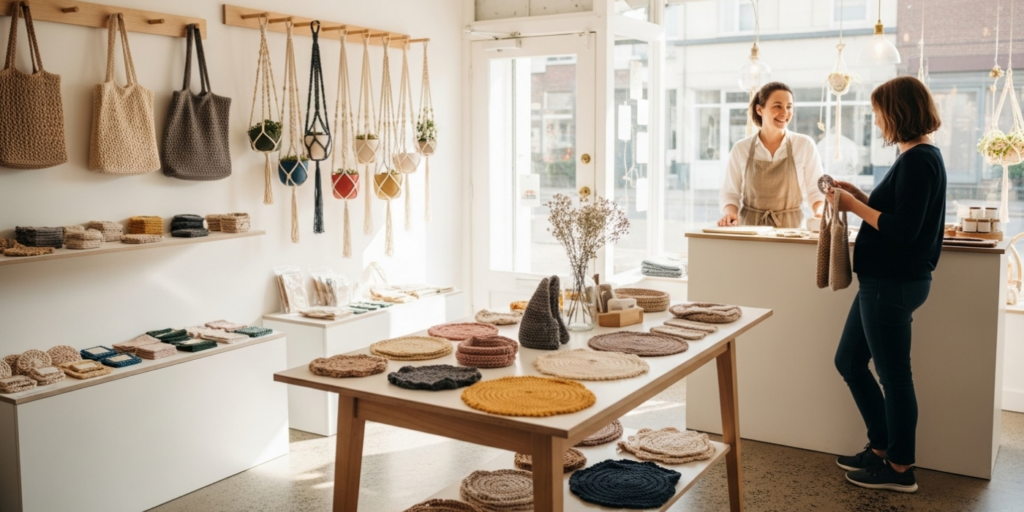
Hypothetical examples based on composite patterns from successful sellers illustrate these principles in action.
Example 1: The Niche Specialist Maya began selling amigurumi on Etsy but felt overwhelmed by competition. She pivoted to “literary character amigurumi”—crocheted figures from classic novels with tiny book accessories. This specificity attracted bookstagrammers and librarians, creating organic marketing. She limits new designs to one per month, batch-photographs during weekend crafting sessions, and uses a simple Google Form for custom requests to filter unrealistic demands. After 18 months, she earns $2,500 monthly working 15 hours weekly by refusing to chase trends and protecting her creative process.
Example 2: The Systems Builder David, a former project manager, applied workflow design to his crochet business. He color-codes yarn by project type, uses inventory management spreadsheets with reorder alerts, and schedules all social media monthly in one sitting. His shop features only six core items in rotating seasonal colors. By systematizing everything possible, he fulfills 50 orders monthly while maintaining a full-time job. His key insight: “Business systems should feel boring—they’re meant to eliminate decisions, not create excitement.”
Example 3: The Community-Centered Seller Elena built her business around teaching rather than just selling. Her Instagram features weekly technique tips; her Etsy shop includes free video tutorials with each purchase. Customers buy her shawl kits not just for materials but for the learning experience. This approach transformed her from vendor to trusted guide, reducing sales pressure. She caps custom orders at five monthly to preserve energy for content creation. Her revenue comes 60% from kits, 30% from finished items, 10% from pattern sales—a diversified model preventing reliance on any single income stream.
These examples share common threads: intentional constraints, systems over hustle, and alignment between business model and personal values. None achieved overnight success; each built gradually while protecting their creative joy.
Customization and Adaptation Ideas
Your business must evolve with your life circumstances to prevent burnout. These adaptation strategies maintain momentum during challenging seasons.
Seasonal Scaling During high-energy periods (perhaps summer with more daylight), increase production and experiment with new products. In lower-energy seasons (winter holidays with family demands), shift to passive income streams like digital patterns or curated yarn kits requiring minimal active involvement. One seller I know closes custom orders November-January but offers pre-made holiday ornaments—meeting seasonal demand without custom-order stress.
Life Stage Adjustments New parents might transition to smaller, quicker projects (earrings, coasters) that fit around childcare schedules. Retirees could embrace larger commissions with longer timelines matching their relaxed pace. Your business should flex with your humanity, not demand constant output regardless of life circumstances. Communicate these shifts transparently—”Taking a creative pause in August to recharge”—and customers will respect your boundaries.
Market Responsiveness Without Panic When a viral trend emerges (perhaps cottagecore aesthetics), adapt thoughtfully rather than frantically. Could your existing blanket pattern be photographed with dried flowers to tap into the trend without redesigning? Small, strategic pivots prevent the overwhelm of complete rebrands while keeping your shop fresh. Monitor trends through Pinterest predictions or Etsy’s trend reports quarterly—not daily—to avoid reactionary decisions.
Care, Maintenance, and Best Practices
Sustainable handmade businesses require ongoing maintenance rituals that prevent gradual overwhelm accumulation.
Weekly Business Hygiene (20 minutes) Every Friday, complete three non-negotiable tasks: respond to all customer messages, update inventory counts, and review the upcoming week’s order calendar. This brief ritual prevents small tasks from snowballing into Monday morning crises. Many sellers who implement this report significantly reduced Sunday evening anxiety.
Monthly Financial Check-in (45 minutes) On the first Monday monthly, review income/expenses, set aside sales tax funds immediately, and evaluate one pricing item. Did a particular yarn increase in cost? Adjust prices proactively rather than absorbing losses. This regular financial attention prevents year-end tax surprises and pricing drift that erodes profitability.
Quarterly Creative Refresh (Half-day) Every three months, dedicate four hours to pure inspiration without sales pressure: visit a museum, study textile history books, or experiment with new stitches purely for joy. This intentional reconnection to your craft’s roots replenishes creative energy depleted by commercial demands. Sellers who maintain this practice report sustained passion even after years in business.
Annual Business Audit Once yearly, ask three questions: What brought me joy this year? What caused consistent stress? What would I eliminate if revenue weren’t a concern? Use answers to prune unfulfilling aspects—perhaps discontinuing a product line that attracts difficult customers despite decent sales. Your business should serve your life, not the reverse.
Monetization Opportunities Beyond Direct Sales
Diversifying income streams reduces pressure on any single revenue source, inherently decreasing overwhelm. These educational approaches align with handmade values while building resilience.
Digital Pattern Sales Convert your best-selling designs into PDF patterns sold on Etsy or Ravelry. This leverages existing work into passive income—after initial creation effort, patterns sell repeatedly without material costs or shipping. Start with one perfected pattern rather than overwhelming yourself with a large catalog. Many sellers earn 30-50% of income from patterns while spending minimal ongoing time.
Curated Yarn Kits Bundle your patterns with precisely measured yarn quantities and notions. Kits command 30-50% higher margins than patterns alone while providing customers a satisfying project experience. Source yarn wholesale after validating demand through small initial batches. This model shifts you from labor-for-income to curation-for-income.
Educational Content Develop short video workshops teaching signature techniques. Platforms like Skillshare or Teachable handle payment processing while you focus on content creation. One 60-minute class requires significant upfront work but generates royalties indefinitely. Focus on evergreen topics (“Mastering Tunisian Crochet”) rather than trend-dependent subjects.
Collaborative Collections Partner with complementary makers—a ceramicist for stitch markers, a woodworker for project tags—to create limited collections. Shared marketing efforts reduce individual promotion burden while introducing your work to new audiences. These collaborations should enhance your brand rather than dilute it; choose partners whose aesthetics genuinely align with yours.
Crucially, introduce new streams only after your core product business runs smoothly for six months. Diversification should solve problems (income volatility) not create them (management complexity).
Frequently Asked Questions
How do I price my crochet items fairly without scaring customers away?
Calculate using this formula: (Material cost × 1.2 for overhead) + (Hours spent × $20-30 hourly rate). Most customers understand handmade pricing when you transparently share your process—”This cowl required 4 hours of intricate stitching with ethically sourced merino wool.” Undervaluing attracts bargain hunters who become difficult customers; confident pricing attracts those who appreciate craftsmanship.
What’s the best platform for beginners to sell crochet online?
Etsy provides the gentlest entry with built-in traffic and straightforward setup. Its search algorithm favors new shops briefly, giving you initial visibility. Avoid Shopify initially—it requires driving your own traffic, which overwhelms most beginners. Master Etsy for 6-12 months before considering additional channels.
How many hours per week should I realistically dedicate to my crochet business?
Start with 5-7 hours weekly: 3 hours creating, 2 hours shop management, 2 hours marketing. This sustainable pace prevents burnout while building momentum. Many successful part-time sellers maintain this rhythm indefinitely, earning $500-1500 monthly without full-time commitment. Scale hours only when revenue consistently supports it.
Should I accept custom orders when starting out?
Decline custom orders for your first 3-6 months. They introduce unpredictable variables—special yarn sourcing, unique sizing, extended timelines—that amplify overwhelm. Master standard items first. When ready, implement strict custom order policies: 50% non-refundable deposit, defined revision limits, and extended processing times.
How do I handle negative reviews without taking them personally?
Respond professionally within 48 hours: “Thank you for this feedback—I’m sorry this didn’t meet expectations. I’d appreciate the chance to make it right; please message me directly.” Then address the issue privately. Remember that 1-2 star reviews often reflect mismatched expectations rather than quality failures. Most customers respect professional responses, and future buyers value seeing thoughtful seller engagement.
What’s the single biggest cause of overwhelm for new crochet sellers?
Trying to do everything daily. Successful sellers batch tasks: Mondays for creating, Wednesdays for photography, Fridays for shipping. This role-specific scheduling reduces cognitive load from constant context-switching. Protect at least two days weekly completely free from business tasks to preserve creative joy.
Conclusion
Selling crochet projects online without overwhelm isn’t about working less—it’s about working with intention. The artisans who sustain joyful businesses for years share a common practice: they design systems that protect their creative energy while serving customers authentically. Start small with one sales channel and three perfected products. Master pricing that honors your skill. Implement batch workflows that align with your natural rhythms. Most importantly, remember that your worth isn’t tied to constant productivity—some of the most beloved handmade brands grow slowly because their makers prioritize sustainability over speed.
The crochet community thrives on generosity and connection; let these values guide your business rather than marketplace pressures. When you feel overwhelmed, return to your original motivation—the joy of transforming yarn into beauty. That spark matters more than any algorithm or sales metric. Build a business that feels like an extension of your craft, not a departure from it. Your customers don’t just want products; they want to support an artist whose work brings them joy. By protecting your own joy first, you create the authentic foundation that makes handmade businesses not just profitable, but profoundly fulfilling. Take the first small step today—not toward scaling, but toward sustainability. Your future self, and your customers, will thank you.

Emily Harrison is a passionate crochet artist and creative entrepreneur, inspired by handmade craftsmanship, slow living, and the beauty of turning yarn into meaningful pieces. Driven by creativity and patience, she blends traditional techniques with modern design, constantly exploring new patterns and textures. Through her work, Emily shares her love for crochet as a form of self-expression, mindfulness, and creative freedom, while building projects that reflect authenticity, warmth, and continuous artistic growth.