Introduction
The handmade market continues to expand globally, with crochet businesses experiencing remarkable growth alongside rising consumer demand for unique, artisan-crafted goods. Yet this very popularity creates a significant challenge: standing out in an increasingly saturated landscape requires more than technical skill or beautiful finished pieces. The cornerstone of sustainable success lies in deliberately identifying and cultivating your crochet business niche. This strategic focus transforms your venture from another generic seller into a distinctive brand with clear positioning, loyal customers, and resilient revenue streams. Finding your crochet business niche isn’t merely a preliminary step—it’s an ongoing process of alignment between your authentic strengths, market opportunities, and audience needs. In this comprehensive guide, we’ll move beyond superficial advice to deliver actionable, field-tested methodologies for niche discovery. Drawing from years of consulting with handmade entrepreneurs and analyzing successful crochet brands, we’ll explore how thoughtful niche selection impacts every aspect of your business—from product development and pricing to marketing effectiveness and long-term scalability. Whether you’re launching your first Etsy shop or seeking to reposition an established brand, this guide provides the framework to build a crochet business that thrives on differentiation rather than competing solely on price.
What This Topic Means for Crochet & Knitting Businesses
For crochet and knitting businesses, niche identification represents the strategic foundation upon which all operational decisions rest. Unlike mass-market retailers that compete on scale and convenience, handmade artisans succeed through specificity, storytelling, and emotional connection. A well-defined niche directly influences product development cycles, pricing strategies, customer acquisition costs, and brand loyalty metrics. In many crochet businesses I’ve observed, those operating without a clear niche often experience burnout from chasing trends, inconsistent branding that confuses potential customers, and pricing pressures that erode profitability. Conversely, brands with intentional niche positioning—such as specializing in zero-waste amigurumi using recycled materials or creating adaptive clothing for individuals with mobility challenges—develop stronger customer relationships and command premium pricing. This specificity reduces direct competition while attracting audiences actively seeking solutions your brand uniquely provides. The knitting community shares similar dynamics, though crochet’s versatility in texture and structure often allows for more pronounced niche differentiation in areas like sculptural home décor or technical wearables. Understanding your crochet business niche fundamentally shifts your perspective from “What can I make?” to “Whose problem can I solve exceptionally well through my craft?” This audience-centric approach transforms your business from a production operation into a valued solution provider within a defined community segment.
Why This Strategy Works Especially Well in the Crochet Community
Niche strategy proves particularly effective within the crochet community due to the craft’s inherent versatility and the community’s deeply engaged, values-driven consumer base. Crochet techniques can produce everything from delicate lace shawls to sturdy market bags, enabling makers to align their output with highly specific lifestyle needs or aesthetic preferences. Unlike industrial manufacturing constrained by economies of scale, handmade crochet thrives on customization and personalization—qualities that resonate powerfully with modern consumers seeking authenticity. Experienced designers often recommend leveraging crochet’s textural possibilities to serve underserved segments, such as creating sensory-friendly garments for neurodivergent individuals or temperature-regulating accessories for medical patients. The crochet community itself functions as a powerful validation ecosystem; niche-focused makers frequently report stronger engagement in specialized Facebook groups, Ravelry forums, and Instagram communities where enthusiasts actively seek experts in particular subgenres. From working with multiple crochet brands, I’ve observed that niche positioning dramatically improves customer lifetime value—specialized customers not only purchase more frequently but also become vocal advocates who organically expand your reach through word-of-mouth within their communities. Additionally, the handmade market’s shift toward conscious consumption rewards niche artisans who transparently communicate their material sourcing, production ethics, and design philosophy. A maker focusing exclusively on plant-dyed, organic cotton baby items, for instance, attracts parents prioritizing sustainability far more effectively than a generalist offering similar products alongside acrylic afghans. This alignment between maker values and consumer priorities creates resilience against market fluctuations and fast-fashion competition.
Materials, Tools, or Resources Needed
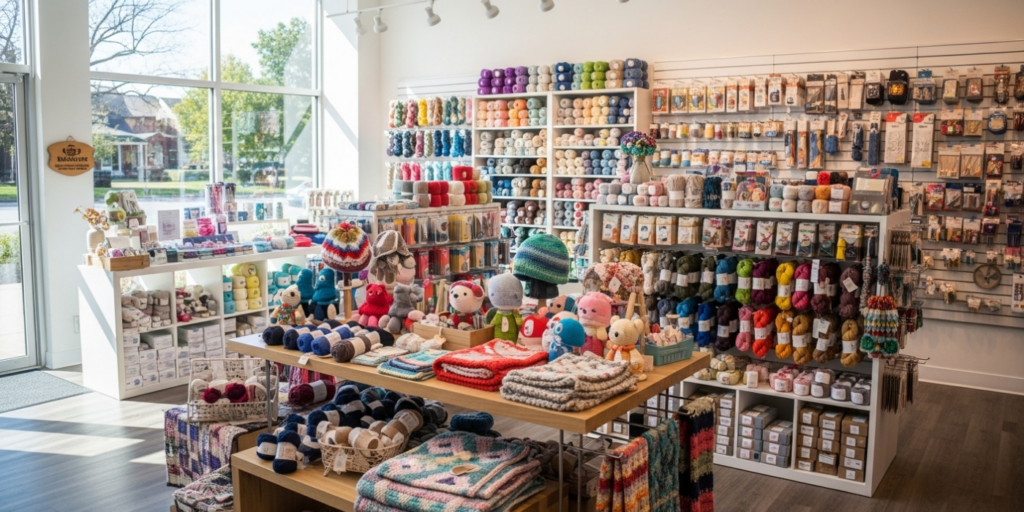
Identifying your crochet business niche requires minimal physical materials but demands intentional investment in research tools and analytical resources. Begin with a dedicated notebook or digital document for capturing observations, market insights, and self-reflection exercises—this becomes your niche development journal. Essential digital tools include Google Trends for identifying rising search patterns related to crochet techniques or product categories, and Pinterest Predicts reports which often forecast handmade craft trends months before mainstream adoption. For competitive analysis, utilize Etsy’s search function with filters for “newest listings” within categories matching your potential interests, noting pricing strategies, product photography approaches, and customer review patterns among top sellers. Social listening tools like AnswerThePublic reveal real questions potential customers ask about crochet products, highlighting unmet needs. Basic spreadsheet software proves invaluable for organizing market research data—create columns tracking potential niches against criteria like personal passion alignment, required skill development timeline, material cost structure, and estimated market size. While not mandatory, joining at least one professional organization like the Craft Industry Alliance provides access to market reports and peer networks that accelerate niche validation. Remember that the most critical “tool” remains your observational capacity: spend dedicated time in yarn shops, craft fairs, and online maker communities noting gaps between available products and expressed customer desires. This resource investment focuses not on expensive software but on systematic information gathering that transforms subjective preferences into data-informed niche decisions.
Yarn Types and Fiber Considerations
Your chosen niche will significantly influence—and be influenced by—yarn selection decisions, making fiber knowledge a strategic business asset rather than merely a technical consideration. For instance, a niche focusing on luxury heirloom baby items necessitates understanding the properties of superwash merino versus bamboo blends for durability and skin sensitivity. Conversely, a sustainable home décor niche might prioritize undyed, locally sourced wool or innovative recycled fibers like reclaimed cotton or ocean-bound plastic yarns. Experienced makers recognize that fiber choice communicates brand values as powerfully as design aesthetics; customers seeking eco-conscious products scrutinize material origins as carefully as finished appearance. When developing a niche around sensory needs—such as items for individuals with tactile sensitivities—fiber texture becomes paramount, requiring familiarity with smooth mercerized cotton versus potentially irritating novelty yarns. Temperature regulation represents another critical consideration; a niche serving outdoor enthusiasts demands knowledge of wool’s moisture-wicking properties versus acrylic’s limitations in variable climates. I’ve observed successful niche brands like “Alpaca Cloud Creations” build entire identities around single-fiber expertise, educating customers on alpaca’s hypoallergenic qualities while commanding premium pricing justified by material authenticity. For beginners exploring niche possibilities, starting with versatile, accessible fibers like worsted-weight acrylic allows technique development while testing market response before investing in specialty materials. Advanced niches might incorporate unconventional materials—organic hemp for rustic market bags or silk-blend lace weight for bridal accessories—where fiber knowledge becomes a competitive barrier protecting your market position. Always document fiber sourcing transparently; today’s handmade consumers increasingly verify sustainability claims, making ethical supply chain relationships a niche-defining asset rather than optional enhancement.
Skill Level Breakdown
Beginner
Beginners should approach niche identification with emphasis on foundational techniques that allow consistent output while developing signature style. Rather than attempting complex constructions immediately, focus on mastering single-crochet fabric density control or perfecting seamless joins in simple shapes like beanies or dishcloths. A viable beginner niche might center on customizable color-block accessories where technical simplicity is offset by personalized palette selection—customers value choice within accessible designs. Avoid niches demanding advanced construction like fully lined garments or intricate colorwork until muscle memory solidifies. Instead, leverage beginner-friendly techniques to serve specific audiences: chunky blanket kits for new parents, or coordinated scrunchie sets for school fundraisers. The key is selecting a niche where your current skill level meets a genuine market need without requiring months of technique development before first sale. Document your learning journey authentically; many customers support emerging makers when transparency about growth accompanies consistent quality.
Intermediate
Intermediate crocheters possess sufficient technical range to differentiate through construction innovation or material experimentation within established product categories. This skill level supports niches requiring shaping precision (like custom-fit garments) or texture manipulation (such as combining filet crochet with Tunisian techniques for home décor). Successful intermediate niches often emerge from solving personal frustrations—perhaps developing wrinkle-resistant travel wraps after experiencing packing challenges, or creating modular bag systems with interchangeable straps. At this stage, deliberately stretch one skill dimension while maintaining reliability in others; for example, master color dominance in tapestry crochet while continuing to produce simple amigurumi that fund technique experimentation. Intermediate makers should conduct small-batch tests before full niche commitment—release three variations of a proposed product line to gauge which resonates strongest with target audiences. This data-driven approach prevents overinvestment in niches misaligned with market response despite personal passion.
Advanced
Advanced practitioners can develop highly specialized niches demanding technical mastery rarely found in mass markets. These might include architectural crochet installations requiring engineering knowledge, historically accurate reproduction garments demanding research alongside technique precision, or therapeutic product lines developed in consultation with occupational therapists. Such niches command significant pricing premiums justified by expertise barriers, but require equally sophisticated business infrastructure—professional photography, detailed process documentation, and educational content establishing authority. Advanced makers often collaborate with complementary artisans (weavers, leatherworkers) to create hybrid products expanding their niche’s reach while maintaining core identity. Crucially, even at this level, niche focus prevents skill dispersion; the maker renowned for mathematical lace patterns shouldn’t dilute their brand with beginner-friendly kits unless strategically segmented under distinct sub-brands. Continuous technique refinement remains essential, but advanced niches thrive when technical excellence serves clear audience benefits rather than existing as an end in itself.
Step-by-Step Guide to Finding Your Crochet Business Niche
Step 1: Conduct a Comprehensive Self-Assessment
Begin by documenting your authentic intersection of skills, passions, and values—not what you think will sell, but what energizes you during repetitive production. Create three columns: “Techniques I Execute Flawlessly,” “Subjects/Communities I Genuinely Care About,” and “Values I Refuse to Compromise.” For instance, your flawless technique might be seamless garment construction, your passion community could be vintage motorcycle enthusiasts, and your non-negotiable value might be plastic-free packaging. The niche emerges where these columns overlap—perhaps creating durable, weather-resistant motorcycle accessory bags using traditional techniques with sustainable materials. Interview friends familiar with your work asking, “What do you consistently praise about my pieces?” Their answers often reveal strengths you undervalue. Simultaneously, audit your existing inventory: which items do you enjoy making repeatedly versus those feeling like chores? Sustainable niches align with intrinsic motivation, preventing burnout during production surges.
Step 2: Analyze Market Gaps Through Customer Pain Points
Move beyond surface-level trend observation to identify unmet needs within potential customer segments. Join five active online communities related to your interest areas (e.g., parenting groups, hiking forums, disability advocacy spaces) and spend two weeks silently observing recurring frustrations expressed around existing products. Note phrases like “I wish there was…” or “Why can’t I find…”—these represent genuine market gaps. Cross-reference these pain points with your self-assessment overlaps. For example, if parents in special needs groups frequently mention difficulty finding sensory-friendly clothing tags, and your self-assessment highlights expertise in seamless finishing techniques, a niche serving this community emerges. Validate gap significance by checking search volume for related terms using free tools like Ubersuggest—ensure sufficient demand exists without overwhelming competition. Remember that viable gaps aren’t always about new products; they might involve improved accessibility (e.g., adaptive closures on standard designs), ethical production transparency, or contextual customization (items designed specifically for niche hobbies).
Step 3: Evaluate Competitive Landscape with Strategic Differentiation
Identify 5-7 existing businesses serving your potential niche area, then analyze their positioning beyond superficial product similarities. Create a comparison matrix evaluating their price points, material quality disclosures, brand storytelling depth, customer service responsiveness, and community engagement patterns. Look for underserved positioning angles: perhaps all competitors focus on luxury pricing but neglect mid-range options, or emphasize aesthetics while ignoring functional durability needs. Your differentiation might emerge through operational choices—offering true custom sizing where others provide only standard measurements, or implementing a repair program extending product lifecycles. Crucially, differentiation must align with authentic capabilities; claiming “fastest shipping” when hand-finishing each piece requires days creates unsustainable expectations. From working with multiple crochet brands, I’ve seen the most resilient differentiation stem from values alignment—like a maker refusing wholesale partnerships to maintain direct customer relationships—rather than superficial feature additions easily copied by competitors.
Step 4: Prototype and Validate with Micro-Commitments
Before fully committing resources, test niche viability through low-risk validation methods. Create three distinct product variations embodying your proposed niche focus, then present them to a targeted audience segment through a dedicated Instagram Story poll or a small Facebook group focused on your niche interest. Measure not just preference votes but qualitative comments revealing emotional connections—”This solves my exact problem” signals stronger validation than “That’s pretty.” Alternatively, list a single “pre-order only” item in your shop with clear niche positioning in the description; genuine pre-orders (not just favorites) provide stronger validation than hypothetical interest. Track which variation generates most engagement and why—this data informs refinement before scaling production. Successful validation isn’t universal appeal but passionate response from a specific segment; 20 enthusiastic early adopters prove more valuable than 200 lukewarm admirers for niche sustainability.
Step 5: Formalize Your Niche Positioning Statement
Translate validated insights into a concise positioning statement guiding all business decisions: “For [target audience] who need [specific solution], [your brand] provides [niche focus] unlike [generic alternatives] because [differentiation reason].” Example: “For urban cyclists who need weather-resistant gear storage, StitchCycle provides modular handlebar bags unlike mass-produced panniers because each piece integrates reflective safety elements hand-crocheted with recycled fishing net yarn.” This statement should inform product development priorities, marketing language consistency, and partnership opportunities. Revisit quarterly as customer feedback and market conditions evolve—your niche may deepen (expanding within cycling accessories) or pivot slightly (adapting designs for e-bike users) while maintaining core positioning integrity. Document this statement prominently in your business plan; it becomes the filter for evaluating new opportunities against strategic focus.
Common Mistakes and How to Avoid Them
One prevalent error involves selecting a niche based solely on current trend popularity without assessing personal sustainability—makers chasing “cottagecore” aesthetics during peak virality often abandon the niche when trends shift, leaving inconsistent brand histories that confuse returning customers. Avoid this by stress-testing niche alignment against your long-term creative stamina: can you envision making variations of this product category three years from now without resentment? Another critical mistake is over-narrowing to the point of market invisibility—specializing exclusively in “left-handed crochet hooks for left-handed crocheters” creates such a tiny audience that customer acquisition costs become prohibitive. Balance specificity with sufficient audience size by layering niche dimensions: “ergonomic crochet hooks for arthritic hands” serves a defined need within a larger community actively seeking solutions. Many makers also neglect operational realities when niche selection, committing to custom-sized garments without systems for efficient measurement collection and production scheduling, leading to burnout. Always prototype your proposed workflow before full launch—time yourself completing three sample orders to identify hidden bottlenecks. Finally, avoid the “passion trap” where personal attachment to a technique blinds you to market indifference; just because you love intricate thread crochet doesn’t guarantee customers will pay premium prices for doilies in 2026. Validate demand objectively through pre-orders or community feedback before significant inventory investment. When mistakes occur—and they will—treat them as data points rather than failures; the maker who pivoted from general amigurumi to therapy animal designs after observing customer requests for anxiety-soothing textures transformed an initial misstep into a thriving specialized practice.
Advanced Tips and Professional Insights
Seasoned crochet entrepreneurs recognize that niche refinement continues long after initial identification, evolving through deliberate customer feedback integration. Implement a structured post-purchase survey asking not just satisfaction ratings but specific questions like “What problem did this item solve for you?” and “What would make it 10% more valuable?” These insights often reveal unexpected use cases expanding your niche definition—perhaps your market bags become popular as beach totes, suggesting water-resistant yarn adaptations. Another advanced strategy involves strategic limitation: deliberately restricting color palettes or seasonal collections to create perceived scarcity while simplifying production. The brand “Minimalist Stitch Co.” maintains premium positioning by offering only four neutral shades year-round, reducing decision fatigue for customers while streamlining inventory management. Collaborate intentionally with complementary non-competing artisans—jewelry makers for bag charm attachments or woodworkers for bespoke notions cases—to create ecosystem value beyond your core products without diluting niche focus. From analyzing successful handmade brands, I’ve observed that the most resilient niches incorporate educational components; makers teaching the “why” behind their specialized techniques (like temperature-regulating stitch patterns) build authority that competitors cannot easily replicate through products alone. Finally, protect your niche through documented process innovation—photographing and describing your unique construction methods in blog content establishes thought leadership while creating natural SEO advantages that generic sellers cannot match. Remember that niche authority compounds over time; the maker known for “perfect-fit crochet hats” after five years of focused refinement commands pricing power unattainable by generalists regardless of technical skill parity.
Real-World or Hypothetical Examples
Consider “Coastal Comfort Crochet,” a hypothetical brand identifying a niche serving coastal homeowners seeking durable, sand-resistant home textiles. Through self-assessment, the maker recognized expertise in tight-gauge fabric construction and passion for beach conservation. Market research revealed homeowners frustrated by standard cotton throws becoming gritty after patio use, while existing “outdoor” textiles lacked handmade warmth. The niche crystallized around tightly crocheted throws using solution-dyed acrylic yarns (colorfast and quick-drying) with hidden sand-shake compartments in hems—a functional innovation addressing observed pain points. Initial validation came through pre-orders at a local coastal market, where prototypes generated immediate sales after demonstrating sand-release functionality. Differentiation emerged through storytelling connecting each throw’s color palette to specific regional shorelines, with 5% of profits funding local beach cleanups—aligning product utility with community values. Within eighteen months, the brand commanded 30% premium pricing over generic throws by dominating search terms like “sand-proof crochet blanket” and “coastal home textiles handmade.” Contrast this with “Stitch & Story,” a real-world example specializing in heirloom-quality memory blankets incorporating fabric swatches from significant life events (wedding dresses, baby clothes). Their niche succeeded by solving emotional—not just functional—needs through meticulous consultation processes and archival-quality materials, justifying $400+ price points through documented preservation techniques and generational storytelling support. Both examples demonstrate niches built on authentic capability alignment with validated audience needs, not arbitrary product selection.
Customization and Adaptation Ideas
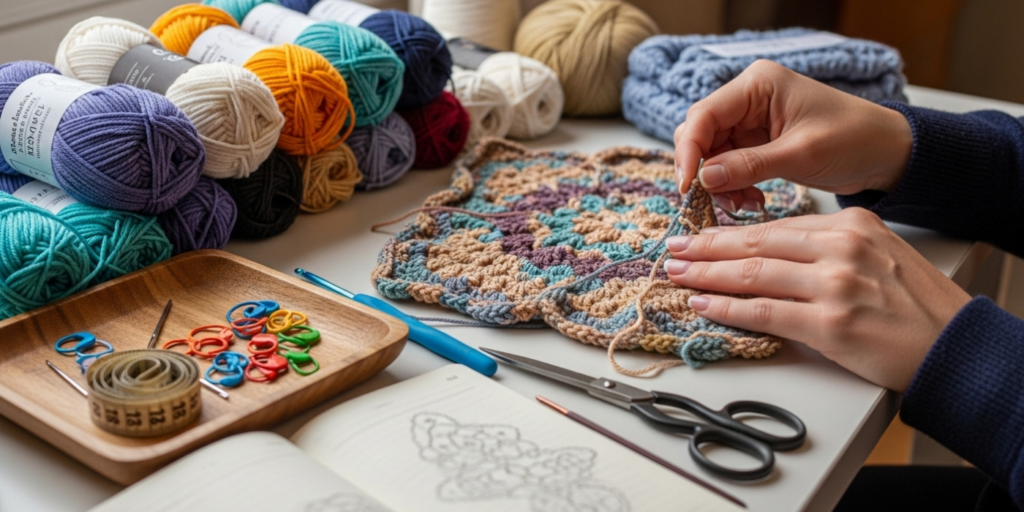
Your core niche should remain stable, but strategic adaptations keep offerings fresh without brand dilution. For a niche focused on pet accessories, seasonal adaptations might include reflective elements for winter safety or cooling mesh panels for summer—functional variations serving the same audience through changing conditions. Collaborative adaptations with customers create co-created value: invite your email list to vote on next season’s color palette within your established yarn lines, or offer limited “designer’s choice” customizations where you interpret their lifestyle needs into unique pieces. Geographic adaptations prove valuable for locally resonant niches; a maker specializing in regional pride apparel might develop state-specific motifs while maintaining consistent construction quality and branding. For technique-focused niches like mosaic crochet, adaptation occurs through application diversity—applying the same stitch pattern to coasters, totes, and wall hangings demonstrates versatility without abandoning core expertise. Crucially, document adaptation rationale publicly; explaining why you’re introducing plant-dyed options alongside your standard colorways (responding to customer sustainability requests) maintains transparency while expanding appeal. Avoid adaptations requiring entirely new skill sets or materials that compromise quality—adding machine-knit elements to a hand-crochet niche confuses brand identity. Instead, deepen within your niche: the maker known for amigurumi might develop “poseable” versions with wire armatures, serving the same audience with enhanced functionality rather than chasing unrelated product categories.
Care, Maintenance, or Best Practices
Niche sustainability depends on operational practices protecting your unique positioning while scaling responsibly. Implement consistent quality control checkpoints aligned with your niche promises—makers specializing in “heirloom quality” should document blocking techniques and seam finishing standards preventing customer disappointment. Maintain material consistency by establishing relationships with 2-3 primary yarn suppliers; sudden fiber substitutions to cut costs erode trust in niches built on material authenticity. For customer-facing niches, develop standardized consultation templates ensuring consistent experience whether handling custom orders via Instagram DMs or formal inquiry forms—this professionalism reinforces niche credibility. Financially, allocate 15-20% of niche revenue toward continuous skill development directly supporting your specialization, whether advanced garment construction courses for wearables niches or photography workshops enhancing product storytelling. Protect creative energy by establishing production boundaries; the maker serving medical patients with sensory items might limit custom orders to four weekly slots preventing burnout while maintaining quality. Regularly audit your social media content against niche positioning—unrelated personal posts or trend-chasing content dilute algorithmic association with your specialty. Most critically, schedule quarterly “niche health” reviews assessing whether current offerings still solve the core problem that defined your niche, adjusting proactively before market shifts force reactive pivots. These practices transform niche selection from a one-time decision into an actively maintained strategic asset.
Monetization Opportunities
A well-defined niche naturally enables multiple revenue streams beyond direct product sales, all reinforcing brand authority without aggressive promotion. Educational content monetization proves particularly effective—niche-focused makers can develop premium patterns teaching specialized techniques (like seamless colorwork for amigurumi) priced higher than generic patterns due to targeted value. Workshops, whether live virtual sessions or pre-recorded courses, command significant premiums when solving specific problems within your niche community; a maker specializing in adaptive clothing might offer “Custom Closure Solutions” workshops for occupational therapists. Strategic wholesale partnerships with complementary retailers (yarn shops serving your fiber niche, boutiques aligned with your aesthetic) expand reach while maintaining premium positioning through curated placement. Subscription models thrive within passionate niches—quarterly boxes featuring limited-edition colorways of your signature yarn weights with exclusive pattern access create predictable revenue while deepening customer relationships. Content licensing represents an advanced opportunity; documented techniques or signature stitch patterns can be licensed to yarn companies for kit collaborations, generating passive income while amplifying niche visibility. Crucially, all monetization must enhance rather than exploit your niche community—educational offerings should genuinely advance skills, not withhold basics to force purchases. From observing successful handmade brands, the most sustainable monetization emerges organically from documented expertise solving real problems, creating revenue streams that feel like natural extensions of your core value rather than sales interruptions.
Frequently Asked Questions
How do I know if my crochet niche is too narrow or too broad?
A niche is too narrow if search volume for related terms falls below 100 monthly searches (indicating insufficient audience size) or if you cannot identify at least three distinct product variations within it. Conversely, a niche is too broad if your ideal customer description exceeds two sentences without specific demographics or pain points—for example, “women who like scarves” lacks focus versus “urban commuters seeking wind-resistant neck warmers under 200g.” Validate breadth by checking Etsy competition: under 500 listings for your precise niche phrase suggests opportunity, while over 10,000 indicates saturation requiring further specialization.
Can I change my crochet business niche after establishing my brand?
Yes, but execute pivots strategically to retain existing customers. Announce transitions transparently explaining the “why” behind your evolution—perhaps customer feedback revealed stronger demand for your secondary product line. Offer existing customers first access to new niche items while continuing limited production of legacy favorites during transition. Never abruptly abandon a niche without fulfilling existing commitments; the maker who pivoted from general baby items to sensory-friendly designs maintained trust by completing all custom orders before relaunching with clear messaging about their refined focus solving specific developmental needs.
What if my personal crochet style doesn’t match profitable niches?
Profitability stems from solving genuine problems, not chasing trends misaligned with your strengths. Instead of forcing mismatched styles, identify where your authentic aesthetic serves underserved needs—perhaps your love for bold colorwork resonates with neurodivergent communities seeking visually stimulating sensory items. Conduct micro-tests: create three pieces embodying your natural style targeting a specific community, then measure engagement beyond sales (comments, saves, shares). Often “unprofitable” styles simply lack proper audience targeting; the maker whose intricate doilies found new life as luxury hotel décor accessories after targeting boutique hospitality buyers demonstrates style-profit alignment through strategic positioning rather than compromise.
How do I handle competition within my chosen niche?
Competition validates demand—your goal isn’t eliminating competitors but differentiating authentically. Analyze top competitors’ customer reviews identifying unmet requests (“wish this came in larger sizes” or “love the design but need organic options”). Fill these gaps while maintaining your unique voice. Collaborate where possible; niche communities often support multiple specialists serving different segments (e.g., one maker focusing on petite sizing, another on extended sizes within the same garment niche). Document your distinct process—perhaps your blocking technique creates superior drape—establishing authority competitors cannot replicate through products alone. Remember that handmade customers often support multiple makers within a niche when each offers genuine differentiation.
Should I focus on evergreen or trending niches for long-term stability?
Prioritize evergreen niches addressing consistent human needs (comfort, self-expression, functionality) with seasonal trend adaptations rather than chasing viral phenomena. Evergreen foundations like “therapeutic crafting” or “sustainable home goods” provide stability, while incorporating trend elements—like cottagecore color palettes within your established sustainable home décor niche—maintains freshness without brand whiplash. Track trend lifecycles using Google Trends; enter when search velocity increases but before saturation (typically 3-6 months after initial spike), and exit before decline by transitioning trend elements into your evergreen framework. The maker who built a core business around zero-waste practices successfully incorporated “dark academia” aesthetics during its trend peak without compromising their sustainability foundation, then smoothly transitioned to “coastal grandmother” aesthetics when searches shifted—all while maintaining consistent material ethics.
How much should I invest financially before validating my niche idea?
Limit pre-validation investment to under $200 covering essential materials for 3-5 prototype pieces and basic photography (natural light setups require no equipment). Avoid bulk yarn purchases, professional branding packages, or inventory production before confirming market response through pre-orders or targeted community feedback. Digital validation costs nothing: create mockup images using free tools like Canva to test visual appeal in niche-specific Facebook groups before crocheting a single stitch. Successful makers consistently report that financial restraint during validation prevents emotional attachment to unviable concepts, enabling objective pivots without sunk-cost fallacy influencing decisions.
Conclusion
Finding your crochet business niche transforms entrepreneurial uncertainty into strategic clarity, replacing exhausting competition with purposeful differentiation. This process demands honest self-assessment, empathetic market observation, and courageous validation—not guesswork or trend-chasing. Remember that niche identification isn’t a one-time destination but an evolving practice requiring regular refinement as your skills deepen and customer needs shift. The most resilient handmade brands maintain core positioning while adapting expressions within their specialty, building authority that withstands market fluctuations. Start small: select one pain point within a community you genuinely care about, create a single solution embodying your authentic strengths, and seek genuine feedback before scaling. Your niche isn’t about limiting possibilities—it’s about focusing energy where your unique combination of skills, values, and market opportunity creates disproportionate impact. In a world of mass production, customers increasingly seek makers with clear purpose and specialized expertise. By committing to thoughtful niche development, you position your crochet business not as another seller in a crowded marketplace, but as the definitive solution for a specific audience ready to value—and compensate—your distinctive contribution. The journey requires patience, but the reward is a sustainable creative enterprise where passion and profitability align through intentional positioning.

Emily Harrison is a passionate crochet artist and creative entrepreneur, inspired by handmade craftsmanship, slow living, and the beauty of turning yarn into meaningful pieces. Driven by creativity and patience, she blends traditional techniques with modern design, constantly exploring new patterns and textures. Through her work, Emily shares her love for crochet as a form of self-expression, mindfulness, and creative freedom, while building projects that reflect authenticity, warmth, and continuous artistic growth.