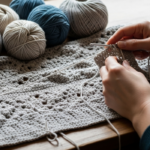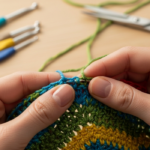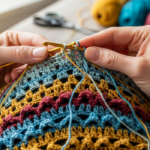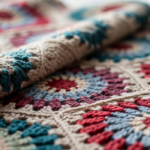
Selecting the right crochet hook is one of the most fundamental yet frequently misunderstood decisions in any crochet project. Many crafters, especially beginners, assume that hook size alone dictates success, overlooking how material, shape, yarn fiber, and personal tension interact to create the final fabric. From my years of teaching workshops and consulting with handmade businesses, I’ve seen countless projects fail—not due to skill gaps—but because of mismatched tools. A too-large steel hook with delicate silk yarn creates limp, holey fabric; a too-small bamboo hook with bulky wool leads to hand strain and distorted stitches. Understanding how to pair your crochet hook with specific yarn types transforms frustrating attempts into satisfying, professional results. This comprehensive guide draws on practical experience across fiber arts education, retail, and design to demystify hook selection. We’ll move beyond basic size charts to explore material science, ergonomic considerations, and real-world adaptations that elevate both hobbyist and commercial work. Whether you’re crafting a delicate lace shawl or a sturdy market bag, the right crochet hook becomes an extension of your hands—not an obstacle.
What This Topic Means for Crochet & Knitting Businesses
For handmade businesses, hook selection directly impacts product quality, production efficiency, and customer satisfaction. In many crochet businesses I’ve advised, inconsistent hook choices lead to variations in item sizing—especially problematic for wearable goods like hats or garments where a quarter-inch difference alters fit significantly. When artisans standardize hook-yarn pairings documented in their process logs, they reduce waste, minimize remakes, and ensure batch consistency crucial for wholesale orders. Furthermore, understanding hook-yarn dynamics allows makers to intentionally manipulate fabric characteristics: a bamboo hook with cotton yarn creates crisp stitch definition ideal for amigurumi, while the same yarn with a polished aluminum hook yields smoother drape for lightweight scarves. This knowledge becomes a competitive advantage when describing products online. Instead of generic listings, sellers can highlight “crafted with ergonomic hooks for consistent tension” or “selected hook material enhances yarn’s natural sheen,” building trust through technical transparency. For yarn shops and online retailers, educating customers on hook pairing reduces returns and increases accessory sales—customers buying luxury merino often need guidance on avoiding steel hooks that snag delicate fibers. Ultimately, mastering this pairing isn’t just craft technique; it’s operational intelligence that affects profitability, brand reputation, and scalability in the handmade economy.
Why This Strategy Works Especially Well in the Crochet Community
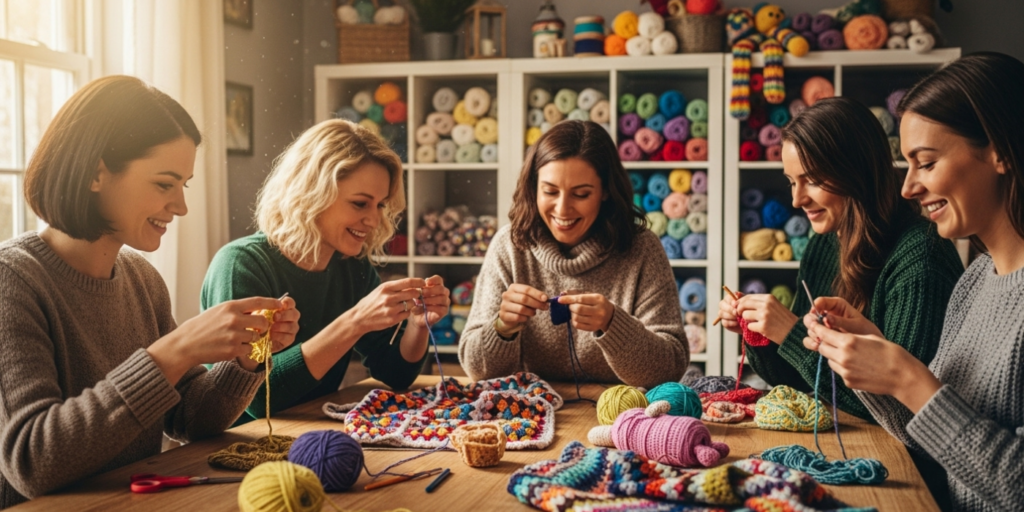
The crochet community thrives on precision within creativity—a balance where technical knowledge enables artistic expression. Unlike knitting, where two needles create stitches simultaneously, crochet relies on a single hook manipulating yarn through precise movements. This makes hook characteristics disproportionately influential on outcomes. Experienced designers often recommend hook-yarn matching as the first troubleshooting step when students report issues like curling edges or stiff fabric—problems frequently misdiagnosed as “user error.” The strategy resonates because it empowers crafters at all levels: beginners gain confidence through predictable results, while advanced makers exploit subtle variations for textural innovation. From working with multiple crochet brands on pattern development, I’ve observed that communities sharing hook-yarn pairing tips—like using inline hooks for tight tensioners or tapered hooks for lace—create stronger knowledge networks. This approach also aligns with sustainability values growing in fiber arts; choosing the right hook extends yarn usability (preventing frogging/reworking) and reduces physical strain, supporting long-term crafting health. When makers document their successful pairings online, they contribute to collective wisdom that elevates the entire craft beyond individual projects.
Materials, Tools, or Resources Needed
Before selecting hooks, gather these essential resources to make informed decisions:
- Yarn labels: Always check the manufacturer’s recommended hook size range—this is your baseline, not a rigid rule.
- Hook gauge tool: A small plastic or metal template with precisely drilled holes to verify actual hook size (manufacturing variances exist even within brands).
- Swatch notebook: Dedicated journal to record hook-yarn combinations, tension notes, and fabric characteristics for future reference.
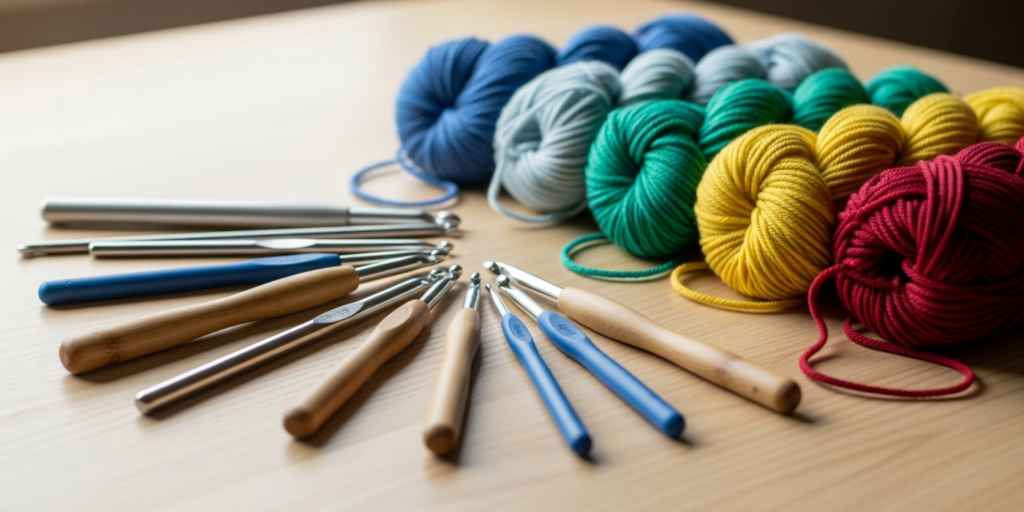
- Multiple hook types: Keep a starter set including steel (for thread), aluminum (versatile), bamboo (for slippery yarns), and ergonomic (for long sessions).
- Digital scale: For hand-dyed or unlabeled yarns, weighing a known length helps estimate yarn weight category when labels are missing.
- Tension ruler: Specifically designed for crochet gauge measurement, accounting for stitch height differences versus knitting.
- Fiber reference guide: Physical or digital chart detailing how common fibers (cotton, wool, acrylic) behave under tension and with different hook materials.
Investing in these tools prevents costly trial-and-error. In my teaching studio, students who use a hook gauge tool avoid the common frustration of “size 4mm” hooks varying by 0.3mm between brands—a difference that alters gauge significantly in fine yarns. Similarly, maintaining a swatch notebook transforms subjective “this felt right” memories into objective data you can replicate months later for matching projects.
Yarn Types and Fiber Considerations
Yarn fiber content fundamentally changes how a hook performs, often more than weight alone. Natural fibers like wool have memory and elasticity, tolerating tighter tension without distortion—making them forgiving with slightly undersized hooks. However, their scales can catch on rough hook joins; I’ve seen merino projects snag repeatedly on poorly finished aluminum hooks, whereas the same yarn glides smoothly on polished bamboo. Plant fibers like cotton and linen lack elasticity, demanding precise hook sizing: too small creates stiff, board-like fabric prone to hand fatigue; too large yields limp, shapeless results. From consulting with yarn dyers, I learned that hand-dyed cotton often has subtle thickness variations—using a hook 0.5mm larger than label suggestions accommodates these inconsistencies without sacrificing drape.
Synthetic fibers present unique challenges. Acrylic’s smoothness causes stitches to slip easily off hooks with shallow throats, leading to accidental drops; hooks with deeper throats (like Clover Amour) provide security. Bamboo-derived rayon has high slipperiness when new but develops grip after washing—pair initially with textured hooks (bamboo or rubberized grips) that compensate for slide. Delicate fibers like silk or cashmere require special care: steel hooks’ rigidity can abrade fine plies during vigorous stitching, while warm-to-the-touch materials like wood reduce fiber stress. Always consider yarn construction too: single-ply yarns stretch under tension and benefit from slightly larger hooks to prevent distortion, whereas multi-ply yarns maintain integrity with standard sizing. Remember that dye processes affect behavior—superwash wool behaves more like acrylic (slippery), requiring hook adjustments versus non-superwash counterparts. Testing a 4″x4″ swatch with your intended hook reveals these interactions before committing to large projects.
Skill Level Breakdown
Beginner Crocheters
New crafters should prioritize comfort and consistency over experimentation. Start with medium-weight (worsted/Aran) yarn and a 5.0–5.5mm aluminum hook—this pairing provides clear stitch definition and forgiving tension. Avoid steel hooks under 2.5mm initially; their small size magnifies hand tremors and complicates yarn-over motions. Focus on mastering one reliable hook material (aluminum is ideal) before exploring alternatives. When tension runs tight—a near-universal beginner trait—deliberately choose a hook 0.5–1.0mm larger than the yarn label suggests. This compensates for natural grip tension without requiring immediate technique adjustments. Document your baseline pairing in a notebook; as skills develop, you’ll recognize when deviations are intentional versus tension-related.
Intermediate Crocheters
At this stage, experiment systematically with material variations while maintaining consistent sizing. Try bamboo hooks with slippery yarns (bamboo/cotton blends) to improve stitch control, or switch to inline hooks (like Susan Bates) if your stitches lean rightward due to tapered hook habits. Intermediate crafters often tackle multiple projects simultaneously—keep a dedicated hook for each active yarn type to avoid cross-contamination of fibers (e.g., wool residue on hooks used for light-colored cotton). Begin intentional gauge manipulation: use a smaller hook than recommended for dense fabric (market bags), larger for drape (shawls). This level demands understanding how personal tension interacts with tools—tight tensioners may permanently size up 0.75mm across all projects, while loose tensioners size down. Track these adjustments in your swatch journal to build a personalized sizing system beyond manufacturer charts.
Advanced Crocheters
Experts leverage hook characteristics as design tools. For architectural crochet (3D sculptures), use steel hooks 1–2 sizes smaller than yarn weight suggests to maximize stitch definition and structural integrity. When working with hand-spun or art yarns featuring slubs and irregularities, select hooks with extremely smooth joins (high-end aluminum or titanium) to prevent catching. Advanced makers often modify hooks: sanding minor imperfections on vintage hooks, or adding grip tape to metal shafts for better control during marathon sessions. Understand regional sizing conversions deeply—patterns using UK versus US terms require mental translation, and some European brands run consistently larger/smaller. At this level, you might maintain specialized hooks: one set for thread crochet (steel sizes 0.6–1.5mm), another for bulky yarns (8–15mm ergonomic), and a third for experimental fibers. Your hook choice becomes as intentional as color selection—each decision serving the project’s functional and aesthetic goals.
Step-by-Step Guide
Follow this detailed methodology for precise hook selection with any yarn:
Step 1: Decode the yarn label
Locate the standardized symbol (usually a square with a hook icon) showing recommended metric size range (e.g., “4.5–5.5mm”). Note fiber content percentages—these dictate material considerations more than weight alone. If unlabeled, wrap yarn around a pencil: 8–10 wraps per inch indicates worsted weight; 12+ suggests sport/fingering.
Step 2: Determine your baseline size
Start at the midpoint of the label’s range. For a “4.5–5.5mm” recommendation, begin with 5.0mm. Tight tensioners immediately size up 0.5mm; loose tensioners size down 0.5mm. This adjustment accounts for individual technique before evaluating yarn behavior.
Step 3: Select initial hook material based on fiber
- Wool/animal fibers: Aluminum or bamboo (avoid steel for delicate wools)
- Cotton/linen: Bamboo or wood (adds grip to non-elastic fibers)
- Acrylic/synthetics: Aluminum with deep throat (prevents stitch slippage)
- Silk/bamboo: Polished aluminum or titanium (minimizes fiber abrasion)
- Blends: Prioritize the dominant fiber’s needs (e.g., 80% cotton/20% nylon → treat as cotton)
Step 4: Create a diagnostic swatch
Chain 20 stitches. Work 20 rows of single crochet using your selected hook. Do not bind off—this swatch must remain flexible for testing. Measure gauge unstretched: place ruler horizontally across 10 stitches, vertically across 10 rows. Compare to pattern requirements or desired fabric density.
Step 5: Evaluate fabric characteristics
- Too stiff/rigid: Hook is too small. Stitches resist bending; fabric holds sharp creases.
- Too loose/saggy: Hook is too large. Gaps visible between stitches; fabric lacks body.
- Hand fatigue after 5 minutes: Hook material or shape mismatched to yarn tension demands.
- Stitches slipping off hook: Throat too shallow for yarn slipperiness; switch to deeper-throat design.
- Yarn snagging/fraying: Hook join rough or material abrasive to fiber; inspect under magnifier.
Step 6: Adjust incrementally
Change only one variable at a time. If fabric is stiff, increase hook size by 0.25mm (if available) or 0.5mm. If stitches slip, switch material while keeping size constant (e.g., aluminum to bamboo). Re-swatch after each change—never assume adjustments scale linearly across yarn weights.
Step 7: Stress-test the pairing
Wash and block your swatch per yarn care instructions. Re-measure gauge when dry. Some fibers (cotton, rayon) relax significantly after washing—your “perfect” dry gauge may become too loose post-care. Account for this by selecting a slightly smaller hook initially for washable items.
Step 8: Document permanently
Record in your notebook: yarn brand/lot, hook brand/size/material, your tension adjustment, pre/post-wash gauge, and subjective notes (“excellent drape for shawl,” “too stiff for amigurumi”). This database becomes invaluable for future projects with similar yarns.
Common Mistakes and How to Avoid Them
Even experienced crocheters fall into these traps. From reviewing hundreds of student projects, the most frequent error is treating hook size as universal across brands. A “4mm” Clover hook often measures 4.1mm physically, while a “4mm” Boye may be 3.9mm—seemingly minor but critical in lace work. Always verify with a hook gauge tool before starting gauge-sensitive projects. Another pervasive mistake is ignoring personal tension history. Crafters who consistently work tight but refuse to size up hooks blame “difficult yarns” when results disappoint. Track your typical adjustments: if you always use 5.5mm for yarns recommending 5.0mm, build that into your selection process rather than fighting your natural grip.
Using the same hook material for all projects causes subtle failures. I’ve seen beautiful silk yarns develop pilling after hours of friction against unpolished aluminum hooks—a problem avoided by switching to titanium for luxury fibers. Conversely, beginners often purchase expensive ergonomic hooks prematurely, then struggle because the larger handle alters wrist angle without addressing fundamental tension issues. Master standard hooks first; add ergonomic options only when hand fatigue persists despite proper sizing.
Perhaps most damaging is skipping the swatch phase for “simple” projects like dishcloths. Without testing, you might use a 4.0mm hook with 100% cotton intended for 5.0mm, creating a stiff, uncomfortable fabric that frays quickly with use. Swatching isn’t optional—it’s the diagnostic step separating professional results from amateur frustration. When time-constrained, make a minimal 10-stitch swatch just to assess fabric drape and hand comfort before committing to large pieces.
Advanced Tips and Professional Insights
Professional designers employ nuanced strategies beyond basic sizing. One technique I use for gradient yarns: start with the recommended hook size for the thinnest section, then gradually increase hook size by 0.25mm increments as yarn thickens—this maintains consistent stitch density across color transitions. For textured stitches like bobbles or popcorns, select a hook 0.5mm smaller than for basic stitches with the same yarn; the extra yarn consumption in textured elements requires tighter foundation stitches to prevent sagging.
Hook temperature matters more than crafters realize. Metal hooks conduct body heat, warming yarn slightly during use—beneficial for stiff fibers like undyed cotton but problematic for heat-sensitive synthetics that may stretch. In air-conditioned studios, I keep bamboo hooks in a pocket to warm them before starting delicate projects. Conversely, for summer crafting with plant fibers, briefly chilling aluminum hooks in the refrigerator reduces hand perspiration that causes yarn slippage.
When working with vintage patterns using obsolete sizing (e.g., “steel hook No. 7”), cross-reference with conversion charts but always swatch—historical sizing lacked today’s standardization. I maintain a reference sheet mapping vintage terms to modern metric sizes based on physical measurements of antique hooks in my collection. For commercial designers, batch-testing hooks with production yarn lots prevents mid-run inconsistencies; yarn mills have slight variations between dye lots that affect optimal hook size. Always request a sample skein from large orders to finalize hook selection before full production.
Real-World or Hypothetical Examples
Consider “Maya,” a small business owner creating crocheted market bags from 100% organic cotton. Her initial attempts with 4.0mm aluminum hooks produced stiff, uncomfortable handles despite correct gauge. After consulting fiber behavior principles, she switched to 4.5mm bamboo hooks—the wood’s slight grip accommodated cotton’s inelasticity, yielding flexible handles while maintaining structural integrity in the bag body. Sales increased 30% as customers praised the improved comfort, demonstrating how tool selection directly impacts product desirability.
In a hypothetical scenario, a designer creates a lace wedding shawl using hand-dyed silk mohair. The yarn label suggests 3.5mm hooks, but initial swatches with aluminum hooks showed snagged fibers and inconsistent stitch definition. Testing revealed that a 3.75mm titanium hook—smoother than aluminum yet warmer than steel—allowed the delicate blend to glide without abrasion. The resulting fabric had ethereal drape with sharp lace motifs, justifying the premium hook investment for a high-value commission. This example illustrates how material science considerations prevent costly project failures with luxury fibers.
Another case involves community education: a library crafting group struggled with inconsistent results using donated yarns of unknown weights. By teaching members to wrap yarn around a ruler (wraps per inch method) and pair with appropriately sized hooks from a communal set organized by material type, project success rates improved dramatically. Beginners using slippery acrylic learned to select bamboo hooks instinctively, while experienced members experimented with steel hooks for fine thread projects—transforming frustration into empowered decision-making.
Customization and Adaptation Ideas
Adapt hook selection for specialized needs beyond standard projects. For therapeutic crochet with arthritis sufferers, prioritize hooks with enlarged, cushioned handles—but crucially, ensure the shaft size remains precise. Some ergonomic hooks enlarge the entire tool, distorting gauge; seek brands like Clover Soft Touch that maintain accurate sizing at the hook head while enlarging only the handle. For travel crafting, build a modular kit: carry one versatile aluminum hook (4.0mm) plus interchangeable tips for steel (1.5mm) and large sizes (8.0mm) that screw into a single handle—reducing bulk without sacrificing range.
Adapt hooks for environmental conditions. Humid climates cause wooden hooks to swell slightly; keep a dedicated set of metal hooks for rainy-season projects to maintain consistent sizing. In dry winter air, natural fiber yarns become brittle—using slightly larger hooks (0.5mm up) reduces stress on fibers during stitching. For left-handed crafters working from right-handed patterns, hook shape matters more than assumed: tapered hooks may require different wrist angles than inline hooks. Experiment to find which geometry accommodates your natural motion without straining tendons.
Customize hooks physically when commercial options fail. Lightly sand rough joins on vintage hooks using 600-grit wet/dry sandpaper (test on scrap yarn first). For slippery metal hooks, apply a barely visible strip of medical tape to the thumb rest area—enough for grip without altering diameter. These micro-adjustments, documented in your swatch journal, create personalized tools that commercial manufacturing can’t provide.
Care, Maintenance, or Best Practices
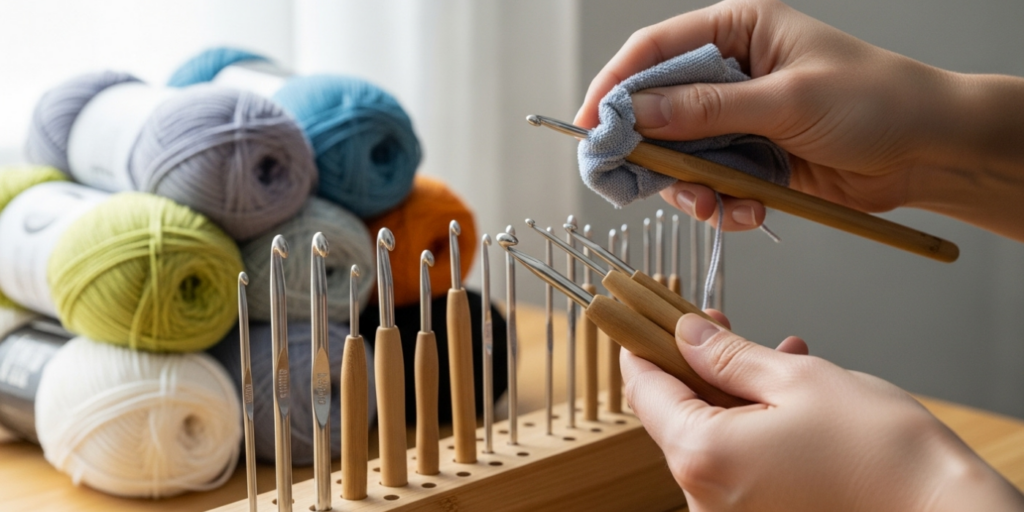
Proper hook maintenance ensures consistent performance and longevity. After each project, wipe metal hooks with a dry microfiber cloth to remove skin oils that attract dust and cause yarn snags. For bamboo or wooden hooks, occasionally rub with a drop of jojoba oil on a cloth—never submerge in water—to prevent drying and cracking. Store hooks vertically in a divided case to avoid shaft bending; horizontal storage in crowded drawers causes subtle warping that distorts stitches over time.
Inspect hooks monthly under bright light. Run a fingernail along the shaft—if you feel snags, the hook needs replacement or professional polishing. Steel hooks for thread crochet are especially prone to microscopic burrs from frequent use; retire them when stitches begin catching unexpectedly. Never use hooks as tools for cutting yarn or prying seams—this damages the precise throat geometry critical for smooth stitching.
For shared studio environments, implement a cleaning protocol: wipe hooks with alcohol prep pads between users to prevent fiber transfer and skin residue buildup. Label personal hooks discreetly with engraving or colored tape to avoid mix-ups that compromise project consistency. Remember that hook performance degrades gradually—what feels “fine” may actually cause subtle tension variations. Replace hooks showing visible wear annually if used daily, or biannually for hobbyist use. This discipline prevents mysterious gauge shifts that frustrate even experienced makers.
Monetization Opportunities
Understanding hook-yarn dynamics creates authentic monetization avenues without aggressive sales tactics. Educators can develop specialized workshops—”Hook Science for Crochet Entrepreneurs” or “Fiber-Specific Tool Selection”—charging premium rates for knowledge that prevents costly business mistakes. Content creators produce evergreen SEO content around long-tail queries like “best hook for cotton dishcloths” or “avoiding hand pain with bulky yarn,” attracting targeted traffic for AdSense or affiliate programs with reputable tool brands.
Handmade sellers enhance product listings with technical details: “Crafted using size 6.0mm bamboo hooks to maximize cotton’s stitch definition” builds credibility versus generic descriptions. This transparency justifies price premiums while educating customers—many buyers pay more for items demonstrating craft expertise. Yarn shops host “Hook Matching Clinics” where customers bring mystery yarns for personalized tool recommendations, driving foot traffic and accessory sales.
Pattern designers include hook selection notes beyond basic sizing: “For drapey fabric with this linen blend, use 5.5mm polished aluminum; for structured baskets, switch to 4.5mm bamboo.” This added value reduces customer support queries and establishes authority. Crucially, all monetization must remain educational—never claim medical benefits (“this hook cures arthritis”) or guarantee unrealistic outcomes (“always perfect tension”). Authentic expertise shared generously builds sustainable revenue streams aligned with craft community values.
Frequently Asked Questions
What size crochet hook should I use for worsted weight yarn?
Worsted weight (medium/Category 4) typically uses 5.0–5.5mm hooks as a starting point. However, personal tension matters: tight crocheters often succeed with 5.5–6.0mm, while loose tensioners may need 4.5–5.0mm. Always swatch first—yarn construction (single-ply vs. multi-ply) also influences ideal sizing.
Can I use the same hook size for different yarn weights?
Never. Hook size must correspond to yarn weight to achieve proper gauge and fabric characteristics. Using a 4.0mm hook with bulky yarn creates stiff, dense fabric; the same hook with lace-weight yarn yields fragile, holey results. Each weight category has an optimal hook range—consult the Craft Yarn Council’s standard chart as a baseline.
Why does my crochet fabric curl at the edges?
Edge curling often indicates hook size mismatch. Too-small hooks create tight stitches that contract inward; too-large hooks cause loose edges that flare outward. For single crochet, try increasing hook size by 0.5mm. For double crochet, decrease by 0.5mm—stitch height affects tension differently. Always swatch to diagnose before assuming pattern errors.
Are bamboo hooks better than aluminum for beginners?
Bamboo provides slight grip beneficial for slippery yarns (acrylic, bamboo fiber) but may slow stitch speed for some beginners. Aluminum offers smoother motion ideal for wool or textured yarns. Neither is universally “better”—beginners should try both materials with worsted-weight yarn to discover personal preference. Comfort matters most initially; precision develops with practice.
How do I convert US hook sizes to metric?
US letter/number sizes don’t convert linearly to metric. Memorize key equivalents: US G-6 = 4.0mm, H-8 = 5.0mm, I-9 = 5.5mm, J-10 = 6.0mm. For steel hooks, US sizes are numeric (7=1.65mm, 8=1.5mm). Always verify physical size with a gauge tool—brand variations make strict conversion unreliable for precision work.
Does hook material affect yarn consumption?
Yes, subtly. Smoother hooks (polished aluminum, titanium) allow yarn to glide with less resistance, potentially using 2–3% less yarn than grippier materials (bamboo, unpolished steel) for the same project. This matters for large commissions or expensive yarns. However, tension control has a far greater impact on yardage than hook material alone.
Conclusion
Choosing the right crochet hook for any yarn type transcends simple size matching—it’s a nuanced dialogue between tool, fiber, and maker. By understanding how hook materials interact with yarn characteristics, accounting for personal tension tendencies, and embracing systematic swatching, you transform tool selection from guesswork into intentional craft practice. This knowledge elevates everything from humble dishcloths to heirloom lace, ensuring consistent, satisfying results while preventing physical strain and material waste. Remember that expertise develops through documented experimentation: your swatch journal becomes a personalized reference more valuable than any generic chart. As you refine these decisions, you’ll notice projects flowing more smoothly, fabrics behaving as intended, and confidence growing with each successful pairing. Start your next project not with the hook closest at hand, but with deliberate selection based on yarn behavior and desired outcome. That single mindful choice ripples through every stitch, building not just beautiful objects, but deeper craft mastery. Keep a hook gauge tool in your notions kit, honor your tension reality without judgment, and let each swatch teach you something new—this is how casual crocheters evolve into assured makers.

Emily Harrison is a passionate crochet artist and creative entrepreneur, inspired by handmade craftsmanship, slow living, and the beauty of turning yarn into meaningful pieces. Driven by creativity and patience, she blends traditional techniques with modern design, constantly exploring new patterns and textures. Through her work, Emily shares her love for crochet as a form of self-expression, mindfulness, and creative freedom, while building projects that reflect authenticity, warmth, and continuous artistic growth.