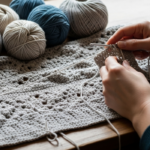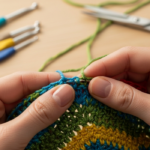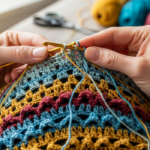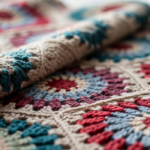
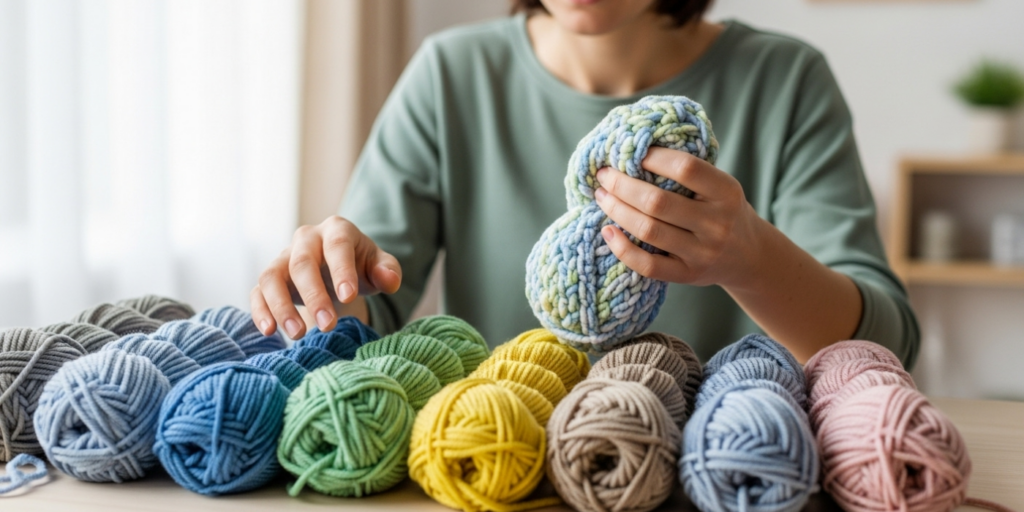
Selecting the appropriate yarn is one of the most foundational yet frequently underestimated decisions in any crochet endeavor. For beginners, the overwhelming array of fibers, weights, textures, and brands can transform what should be an exciting creative process into a source of frustration. The right yarn doesn’t merely influence aesthetics—it fundamentally shapes stitch definition, project drape, durability, comfort against the skin, and even the ergonomic experience of crocheting itself. A poorly matched yarn can cause hand fatigue, obscure intricate stitch patterns, or result in a finished item that stretches, pills, or loses its shape after minimal use. Conversely, thoughtfully chosen materials elevate both the making process and the final product, building confidence and encouraging continued exploration of the craft. In this comprehensive guide, we’ll demystify the art and science of choosing the right yarn for crochet projects. Drawing on years of hands-on experience teaching workshops, collaborating with fiber artists, and advising small handmade businesses, this resource provides actionable insights to help you navigate yarn selection with clarity and purpose—whether you’re crafting your first dishcloth or planning a complex garment.
What This Topic Means for Crochet & Knitting Businesses
For entrepreneurs operating within the handmade economy, yarn selection transcends personal preference—it directly impacts product quality, customer satisfaction, and brand reputation. In my work consulting with emerging crochet brands, I’ve observed that businesses which invest time in understanding fiber properties and project-appropriate materials consistently receive fewer returns and generate stronger word-of-mouth referrals. When a customer purchases a crocheted market bag made with loosely spun cotton that stretches under minimal weight, their disappointment reflects on the maker’s expertise—not merely the material itself. Conversely, a baby blanket crafted with hypoallergenic, machine-washable acrylic demonstrates thoughtful consideration of end-user needs, fostering trust and repeat business.
Moreover, strategic yarn choices influence production efficiency and profitability. Using a splitty, low-twist yarn for intricate lacework may double completion time due to constant snagging and reworking—a hidden cost that erodes margins. Experienced designers often recommend maintaining a curated “core yarn library” of 5–7 versatile, reliable fibers that align with your brand’s aesthetic and functional requirements. This approach reduces decision fatigue, ensures consistency across product lines, and simplifies inventory management. For digital pattern sellers, specifying precise yarn requirements—including weight, fiber content, and yardage—minimizes customer support queries and enhances the perceived professionalism of your offerings. Ultimately, mastering yarn selection isn’t just a craft skill; it’s a business competency that separates hobbyists from sustainable handmade enterprises.
Why This Strategy Works Especially Well in the Crochet Community
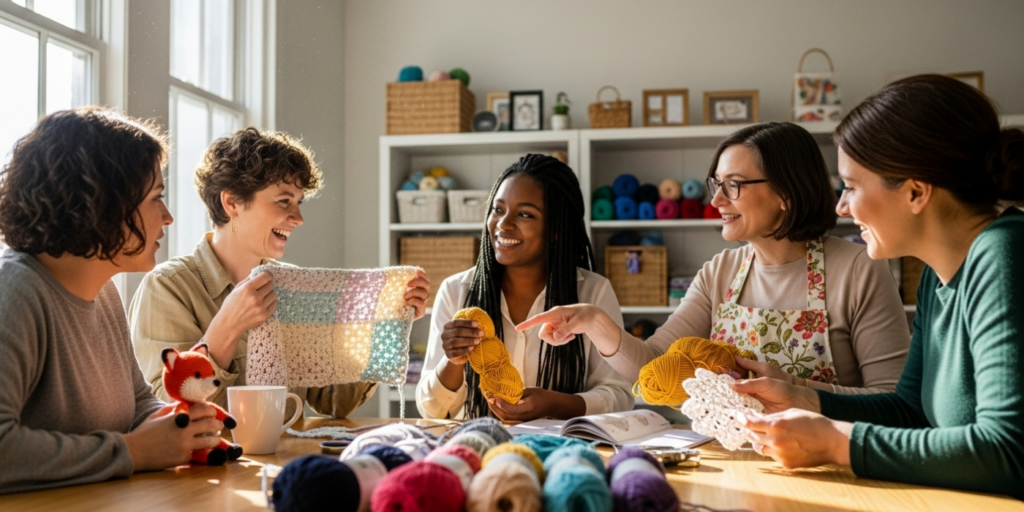
The crochet community possesses unique characteristics that make deliberate yarn education particularly impactful. Unlike knitting, where stitch patterns often rely on subtle texture variations, crochet stitches inherently create denser, more textured fabric. This density amplifies the influence of yarn properties—fiber content affects drape more dramatically, and yarn weight discrepancies become immediately visible in gauge swatches. From facilitating online stitch-alongs to mentoring beginners in local guilds, I’ve noticed that crocheters who grasp yarn fundamentals early develop stronger problem-solving skills when adapting patterns or troubleshooting tension issues.
Additionally, crochet’s accessibility—requiring only a single hook and portable materials—means practitioners often work across diverse environments: commuting, waiting rooms, or shared living spaces. This mobility increases exposure to variable lighting, temperature, and handling conditions, making yarn resilience and ease of use critical factors. A yarn that pills excessively or fades quickly under sunlight disappoints users who value portability. The community’s strong culture of knowledge-sharing through social media and forums also creates fertile ground for yarn education; a well-researched guide on fiber selection can spark meaningful discussions that elevate collective expertise. When beginners learn to match yarn to project intent rather than defaulting to whatever is cheapest or most colorful, the entire ecosystem benefits through higher-quality outputs and reduced waste from abandoned projects.
Materials, Tools, or Resources Needed
Before diving into yarn selection itself, assemble these practical resources to streamline your decision-making process. First, maintain a physical or digital yarn journal where you record details of every yarn you use: brand, fiber content, weight category, hook size tested, stitch behavior, and final project outcome. I’ve kept such a journal for over a decade, and it has prevented countless mismatches—like the time I nearly used a fuzzy mohair for a lace shawl requiring crisp stitch definition. Second, invest in a reliable yarn weight gauge tool; these inexpensive plastic or metal devices feature slots corresponding to standard weight categories (from lace to jumbo), allowing quick physical verification beyond label claims. Labels can be misleading, especially with hand-dyed or artisanal yarns.
Third, build a swatch library: small 4×4 inch samples of different yarns worked in basic stitches (single, double, half-double crochet) with recommended hooks. Store these in labeled ziplock bags with yarn band remnants. When selecting yarn for a new project, compare potential candidates against relevant swatches to assess drape, density, and hand feel. Fourth, bookmark authoritative digital resources like the Craft Yarn Council’s Standard Yarn Weight System chart and Ravelry’s yarn database, which aggregates user reviews on real-world performance. Finally, cultivate relationships with local yarn store (LYS) staff. In many crochet businesses I’ve advised, owners who consult LYS experts before bulk purchasing avoid costly errors—such as discovering too late that a “superwash” wool labeled machine-washable actually felts at 30°C. These tools transform yarn selection from guesswork into an informed, repeatable practice.
Yarn Types and Fiber Considerations
Understanding fiber composition is non-negotiable for intentional yarn selection. Fibers dictate everything from thermal properties to care requirements, and misalignment here causes most beginner project failures. Let’s examine major categories with practical implications for crocheters.
Natural Fibers
Wool remains a cornerstone fiber, prized for elasticity, warmth, and stitch memory. However, not all wools behave identically. Merino offers softness ideal for garments but may pill with abrasion; Shetland provides rustic durability perfect for outerwear but can feel scratchy against sensitive skin. Crucially, non-superwash wool requires hand-washing to prevent felting—a dealbreaker for baby items or household textiles where machine care is essential. Cotton delivers crisp stitch definition and excellent drape, making it superb for amigurumi, dishcloths, and summer garments. Yet its lack of elasticity strains hands during long sessions and causes projects to stretch vertically over time. Linen shares cotton’s crispness but improves with washing, developing a desirable soft drape; however, its initial stiffness challenges beginners. Silk adds luxurious sheen and strength but often appears in blends due to cost and slipperiness under the hook.
Synthetic Fibers
Acrylic dominates beginner recommendations for valid reasons: affordability, colorfastness, machine-washability, and hypoallergenic properties. Modern premium acrylics (like those from WeCrochet or Lion Brand) mimic natural fiber hand-feel without the price tag. However, low-twist budget acrylics pill aggressively and generate static—a frustration I’ve seen derail new crocheters attempting wearable projects. Nylon frequently appears in sock yarn blends for durability but rarely stands alone in crochet due to poor stitch definition. Polyester offers strength and wrinkle resistance but often feels plasticky and traps heat, making it poorly suited for garments despite common use in big-box store yarns.
Blends and Strategic Combinations
Most commercial yarns are blends engineered to balance strengths and mitigate weaknesses. A cotton-acrylic blend (e.g., 60% cotton/40% acrylic) retains cotton’s stitch clarity while gaining acrylic’s elasticity and washability—ideal for market bags or children’s clothing. Wool-nylon blends enhance durability for high-wear items like slippers. When evaluating blends, prioritize the dominant fiber’s characteristics; a 70% acrylic/30% wool yarn will behave more like acrylic than wool. From working with multiple crochet brands, I’ve learned that blends containing bamboo or rayon improve drape but reduce stitch definition—excellent for shawls, problematic for textured stitches like bobbles or popcorns. Always consider the end-use: a 100% wool blanket may be cozy but impractical for a family with pets requiring frequent washing, whereas a wool-acrylic blend offers compromise.
Skill Level Breakdown
Yarn selection should evolve alongside your technical development. Matching materials to current abilities prevents frustration while building foundational knowledge.
Beginner
New crocheters benefit most from worsted weight (Category 4) acrylic or acrylic-blend yarns in light, solid colors. Why? Medium weight provides clear stitch visibility without overwhelming bulk; acrylic’s slight grip prevents constant unraveling of slipped stitches; light colors reveal errors more easily than dark or variegated shades. Avoid novelty yarns (eyelash, ladder, or thick-thin textures), slippery fibers like silk or bamboo, and fine weights (lace or fingering) that demand precise tension control. I consistently recommend brands like Caron Simply Soft or Red Heart Super Saver for first projects—they’re affordable, widely available, and forgiving of inconsistent tension. The goal here is building muscle memory and confidence; complex fibers introduce variables that obscure learning core techniques.
Intermediate
Once comfortable with basic stitches and reading patterns, experiment with fiber diversity while maintaining predictable weights. Try 100% cotton for amigurumi to achieve firm, sculptural results, or wool blends for garments requiring elasticity. Introduce subtle texture variations like tweed or heathered yarns, but avoid highly variegated colorways that obscure stitch patterns until you can reliably maintain even tension. This stage is ideal for learning yarn substitution—replacing one worsted-weight acrylic with another while checking gauge. From teaching intermediate workshops, I emphasize swatching with new yarns before committing to large projects; a 15-minute swatch prevents 15 hours of unraveling later.
Advanced
Experienced crocheters leverage yarn as a design element. This includes intentionally selecting splitty yarns for openwork effects, using slippery fibers like silk for fluid drape in shawls, or combining multiple yarn weights within a single project for textural contrast. Advanced makers confidently substitute fibers across weight categories (e.g., holding two strands of fingering weight to mimic DK) and understand how dye techniques (hand-dyed vs. kettle-dyed) affect color pooling in stitch patterns. They also consider sustainability factors like organic certification or closed-loop production processes when sourcing materials for client commissions. At this level, yarn choice becomes an extension of artistic voice rather than a technical constraint.
Step-by-Step Guide to Choosing the Right Yarn for Crochet Projects
Follow this detailed methodology for confident yarn selection on any project. I’ve refined this process through years of pattern design and student mentorship—it transforms overwhelm into systematic decision-making.
Step 1: Analyze the Project’s Primary Function
Begin by asking: What is this item’s main purpose? A washcloth demands absorbency and durability (pointing to cotton), while a winter scarf prioritizes warmth and loft (suggesting wool or alpaca). Consider secondary factors: Will it contact sensitive skin? (Require hypoallergenic fibers.) Experience frequent washing? (Need machine-washable synthetics or superwash wool.) Be subjected to abrasion? (Benefit from nylon blends.) Document these requirements before looking at yarn options.
Step 2: Decode the Pattern’s Yarn Specifications
If using a published pattern, scrutinize its yarn recommendations beyond brand names. Note the required weight category (e.g., “DK weight”), fiber suggestions (“100% cotton recommended”), and yardage per skein. Crucially, calculate total yardage needed by multiplying skein yardage by the number of skeins specified—then add 10–15% extra for tension variations or pattern adjustments. I’ve seen countless beginners purchase five skeins of a dye-lot-limited yarn only to run short mid-project because they ignored yardage math.
Step 3: Assess Your Personal Crochet Tension
Your natural tension affects yarn suitability. If you crochet tightly, avoid low-elasticity fibers like cotton for garments—they’ll create stiff, unwearable fabric. If you crochet loosely, steer clear of slippery fibers like bamboo that exacerbate gauge issues. Test your tension by crocheting a 4×4 inch swatch in single crochet with a medium-weight yarn and 5mm hook. Measure stitches per inch: under 12 indicates loose tension; over 16 suggests tight tension. Adjust yarn selection accordingly—tight crocheters benefit from stretchy fibers; loose crocheters need grippier materials.
Step 4: Evaluate Yarn Construction Quality
Visit a physical store if possible to handle candidate yarns. Unwind six inches and examine:
- Twist consistency: Even twist prevents splitting; loose twist causes fibers to separate under hook tension.
- Ply structure: 3–4 ply yarns generally resist splitting better than single-ply.
- Surface texture: Avoid excessive fuzziness for lacework; slight halo enhances warmth in blankets.
- Color saturation: Hold against white paper—if dye bleeds onto paper, expect color transfer during washing.
When shopping online, study macro photographs and read reviews mentioning “splitting” or “pilling.”
Step 5: Swatch with Intention
Never skip this step. Using the recommended hook size, crochet a 5×5 inch swatch in the pattern’s primary stitch (e.g., double crochet for afghans). Wash and block the swatch exactly as you’ll treat the finished item. Assess:
- Gauge accuracy: Does it match the pattern’s specified stitches per inch?
- Drape: Drape the swatch over your hand—does it flow softly (good for shawls) or stand stiffly (better for baskets)?
- Recovery: Stretch the swatch gently—does it return to shape (indicating good elasticity)?
- Comfort: Rub against your wrist—is it scratchy or smooth?
This 20-minute investment prevents project abandonment.
Step 6: Verify Dye Lot Consistency
Purchase all yarn for a single project from the same dye lot—check the lot number on each skein’s band. Dye lots vary subtly even within the same colorway; mixing lots creates visible stripes in solid-color projects. If your store lacks sufficient quantity from one lot, order online with lot verification or choose a variegated yarn where variations appear intentional.
Step 7: Calculate True Cost Per Project
Budget beyond sticker price. Divide total project yardage by yards per skein to determine skein count, then multiply by price per skein. Factor in shipping costs for online orders. Compare value: A $12 skein with 200 yards may be more economical than a $7 skein with 80 yards for large projects. Remember that cheap yarn often costs more long-term through pilling, fading, or project failure.
Common Mistakes and How to Avoid Them
Even experienced crocheters occasionally misjudge yarn suitability. These frequent errors carry simple preventative strategies.
Mistake 1: Prioritizing Color Over Fiber Content
Beginners often select yarn based solely on aesthetic appeal, ignoring functional requirements. A vibrant variegated acrylic might look stunning but prove disastrous for a lace shawl requiring stitch clarity. Solution: Always determine fiber needs first based on project function, then select color within appropriate fiber categories.
Mistake 2: Ignoring Hook Size Recommendations
Using a hook significantly larger or smaller than suggested alters fabric density unpredictably. A 6mm hook with fingering weight yarn creates holey, unstable fabric; a 3mm hook with bulky yarn strains hands and obscures stitches. Solution: Treat recommended hook sizes as starting points—adjust by 0.5mm increments after swatching to achieve correct gauge and desired drape.
Mistake 3: Underestimating Yardage Requirements
Patterns list minimum yardage; tension variations, design modifications, or simple miscalculation lead to shortages. Solution: Purchase 10–20% extra yarn, especially for dye-lot-sensitive projects. Store receipts for potential returns of unused skeins.
Mistake 4: Disregarding Care Instructions
Gifting a hand-wash-only wool blanket to a college student guarantees disappointment. Solution: Match care requirements to the recipient’s lifestyle. When in doubt, choose machine-washable fibers for utilitarian items.
Mistake 5: Assuming All Yarns in a Weight Category Behave Identically
Two worsted-weight yarns can produce vastly different fabrics due to fiber content and twist. Solution: Swatch rigorously. Never substitute yarns without testing gauge and drape.
Mistake 6: Overlooking Ergonomic Impact
Stiff cotton or splitty novelty yarns cause hand fatigue during extended sessions. Solution: For large projects, prioritize fibers with natural elasticity (wool blends) or smooth texture (premium acrylics). Take regular breaks regardless of yarn choice.
Advanced Tips and Professional Insights
Move beyond basics with these nuanced strategies employed by professional designers and instructors.
Tip 1: Leverage Yarn Substitution Calculators
Tools like YarnSub.com analyze fiber content, weight, and yardage to suggest viable substitutes when your preferred yarn is unavailable. Always cross-reference with a physical swatch—algorithms can’t assess hand feel.
Tip 2: Understand Ply vs. Weight Distinctions
Ply (number of strands twisted together) doesn’t dictate weight. A 4-ply yarn can be lace weight or worsted depending on strand thickness. Focus on standardized weight categories (Craft Yarn Council system) rather than ply counts when substituting.
Tip 3: Manipulate Drape Through Fiber Blending
Need more drape in a cotton project? Hold the cotton strand together with a fine silk thread during crocheting. Want more structure in a drapey bamboo yarn? Work with a smaller hook and tighter tension—but swatch first to avoid hand strain.
Tip 4: Anticipate Color Pooling
Variegated yarns create intentional color sequences in some patterns but chaotic blotches in others. Before committing, wind a small section into a ball and crochet a swatch in your intended stitch pattern to observe pooling behavior. Adjust starting point or stitch count to control color distribution.
Tip 5: Source Sustainable Fibers Strategically
Eco-conscious makers should know that “organic” certification doesn’t guarantee ethical production. Research brands with transparent supply chains like Wool and the Gang or Manos del Uruguay. For local impact, seek regional wool producers—many U.S. states have farm-to-needle cooperatives supporting small ranchers.
Tip 6: Build a Yarn Stash with Purpose
Avoid impulse buying. Maintain a categorized stash: 30% versatile worsted-weight neutrals, 30% project-specific fibers (e.g., cotton for summer), 20% luxury fibers for special commissions, and 20% experimental yarns for skill development. Audit quarterly to prevent hoarding unused materials.
Real-World Examples
Consider these scenarios illustrating yarn selection principles in action.
Example 1: The Market Bag Misstep
A beginner crocheter chose a loosely spun, single-ply merino wool for a market bag pattern calling for cotton. Despite correct gauge, the bag stretched irreversibly when loaded with groceries, handles elongated, and fibers matted after one hand-wash. The solution wasn’t technique—it was fiber mismatch. Wool lacks cotton’s structural integrity for weight-bearing items. Substituting with a tightly spun cotton or cotton-nylon blend would have delivered functional durability.
Example 2: The Successful Baby Blanket
An intermediate maker needed a machine-washable, hypoallergenic blanket. Instead of defaulting to basic acrylic, she selected a premium acrylic-cotton blend (70/30) with Oeko-Tex certification. The cotton content provided breathability against baby’s skin; acrylic ensured shape retention through frequent washing. She purchased all yarn from one dye lot, swatched for drape, and added 15% extra yardage—resulting in a heirloom-quality item that survived toddlerhood intact.
Example 3: The Professional Commission
A designer commissioned for a wedding shawl evaluated multiple silk-bamboo blends before selecting one with tighter twist to prevent splitting during intricate lacework. She purchased three extra skeins beyond calculated yardage, verified dye lots, and created a blocked swatch to confirm drape met the client’s “fluid but not limp” requirement. This meticulous approach justified her premium pricing and generated a referral-rich client relationship.
Customization and Adaptation Ideas
Tailor yarn choices to express individuality while maintaining project integrity.
For Sensory Preferences
Crocheters with arthritis may prefer smooth, elastic wool blends that reduce hand strain versus stiff cotton. Those sensitive to texture can line scratchy wool garments with a soft acrylic border worked simultaneously during construction.
For Climate Adaptation
In humid climates, avoid 100% wool for garments—it absorbs moisture and feels heavy. Opt for linen-cotton blends that wick moisture. In dry, cold regions, embrace wool’s insulating properties but blend with nylon for durability against indoor heating systems that dry fibers.
For Aesthetic Personalization
Transform a basic pattern by substituting suggested yarn with a tonal hand-dyed version for subtle depth, or use a gradient kit for ombré effects without color changes. For textural interest, combine two complementary yarns held together—e.g., a smooth worsted with a fine mohair thread for halo effect.
For Budget Constraints
Strategic splurging works: Use luxury fiber for visible areas (shawl borders) and budget yarn for less prominent sections (blanket centers), joining seamlessly with invisible techniques like the Russian join. Thrift stores often yield quality yarn stashes—inspect for moth damage and wash thoroughly before use.
Care, Maintenance, and Best Practices
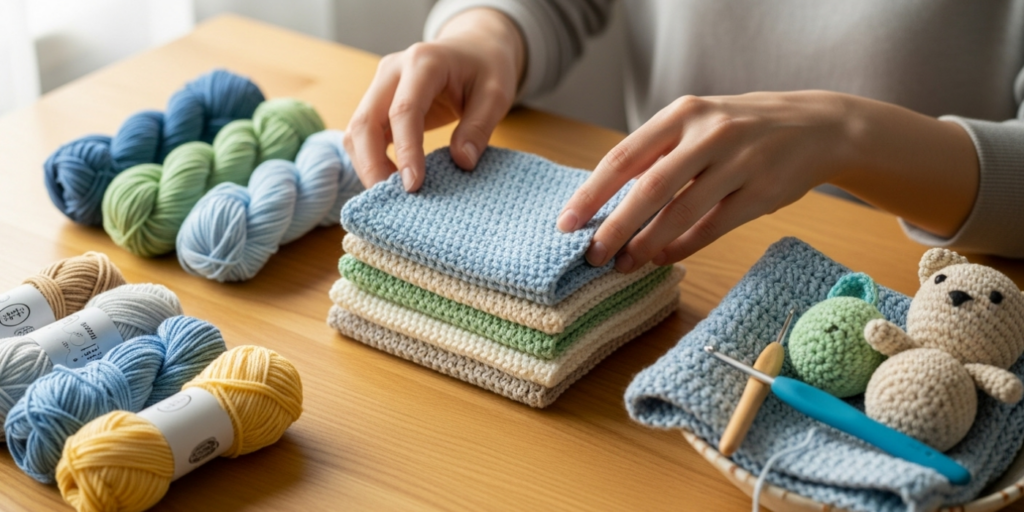
Proper yarn handling extends project life and preserves your investment.
Pre-Project Preparation
Wind hanks into balls using a swift and ball winder to prevent tangles—never pull center-pull balls from hanks without winding first. Store unused yarn in breathable cotton bags away from direct sunlight, which fades dyes. For moth prevention in natural fibers, use cedar blocks (not crystals) and freeze new wool yarns for 48 hours before storage.
During Crocheting
Minimize tension strain by letting yarn flow smoothly from the ball—avoid pulling tightly. If yarn develops kinks, gently steam with an iron (hovering above, not touching) to relax fibers before continuing. For splitty yarns, rotate your hook slightly when inserting to separate plies cleanly.
Post-Project Care
Always follow fiber-specific washing: Wool requires cool water and gentle detergent; cotton tolerates warm water but may shrink; acrylic withstands warm water but avoid high heat drying. Block every project—wet block for fibers that bloom (wool), spray block for delicate items. Store folded, not hung, to prevent stretching; refold periodically to avoid permanent creases.
Long-Term Preservation
Rotate seasonal items annually to prevent fiber fatigue. For heirloom pieces, store with acid-free tissue paper in archival boxes. Never store natural fibers in plastic—trapped moisture causes mildew. Repair small pulls immediately with a yarn needle to prevent unraveling.
Monetization Opportunities for Handmade Brands
Understanding yarn selection creates indirect revenue streams without aggressive sales tactics.
Pattern Design Authority
Develop patterns specifying precise yarn requirements with substitution guidelines. Crocheters pay premiums for patterns demonstrating material expertise—e.g., “This shawl requires a 4-ply fingering weight with 70%+ silk content for optimal drape; acceptable substitutes include…” This positions you as a trusted resource.
Educational Content
Create video tutorials or blog posts analyzing yarn performance for specific projects. Monetize through ad revenue (AdSense-approved when educational) or affiliate links to recommended yarns—disclose affiliations transparently. I’ve seen makers generate steady income by reviewing budget vs. luxury yarns for identical patterns.
Curated Kits
Bundle pre-measured yarn with patterns and notions. Success hinges on impeccable yarn selection—customers purchase convenience and confidence. Include a swatch guide and care instructions to reduce support queries. Start small: one seasonal kit monthly to test demand.
Consulting Services
Offer yarn selection consultations for clients commissioning custom pieces. Charge hourly to recommend fibers matching their functional needs and aesthetic preferences—this adds perceived value beyond labor costs.
Workshop Development
Teach virtual or in-person classes on yarn fundamentals. Structure around hands-on swatching exercises with diverse fibers. Partner with local yarn stores for material sourcing—they often sponsor instructors to drive foot traffic.
Crucially, monetization must stem from genuine expertise. Never recommend specific brands without testing them extensively first. Authenticity builds the trust that converts readers into customers.
Frequently Asked Questions
What is the absolute best yarn for complete beginners?
Worsted weight (Category 4) acrylic in a light, solid color offers the optimal balance of affordability, stitch visibility, and forgiveness. Brands like Caron Simply Soft or Paintbox Simply Aran provide consistent tension and minimal splitting. Avoid novelty textures, dark colors, or fine weights until you’ve mastered basic stitches.
How do I read a yarn label correctly?
Focus on four elements: weight symbol (number 0–7 per Craft Yarn Council standards), fiber content percentage, recommended hook size range, and care symbols. Yardage per skein is critical for project planning—ignore “approximate” claims and verify with a scale if precision matters. Dye lot numbers ensure color consistency across skeins.
Can I substitute cotton yarn for acrylic in a pattern?
Yes, but only within the same weight category and after swatching. Cotton lacks acrylic’s elasticity, so your fabric may feel stiffer and stretch vertically over time. For garments, consider a cotton-acrylic blend to balance properties. Always check gauge—cotton often requires a smaller hook than acrylic to achieve identical stitch size.
Why does my yarn keep splitting while crocheting?
Splitting occurs with low-twist yarns, worn hooks with rough shafts, or incorrect hook insertion technique. Solutions: Use sharp-tipped hooks designed for fine fibers, insert hook under both loops rather than between plies, and select higher-twist yarns (check by untwisting a short section—if fibers separate easily, avoid for detailed work).
What yarn weight should I use for amigurumi?
Sport (Category 2) or DK weight (Category 3) cotton or cotton-blend yarns create firm, sculptural fabric that holds stuffing without gaps. Use a hook 1–2 sizes smaller than recommended to achieve tight stitches. Avoid bulky weights—they obscure facial details and create floppy forms.
How do I choose yarn for hot weather garments?
Prioritize plant-based fibers like cotton, linen, or bamboo for breathability and moisture-wicking. Select lighter weights (fingering to DK) and open stitch patterns to enhance airflow. Avoid wool and acrylic blends in high heat—they trap warmth. For drape, seek linen-cotton blends; for structure, choose mercerized cotton.
Conclusion
Choosing the right yarn for crochet projects is both science and intuition—a skill honed through mindful practice rather than memorized rules. By anchoring decisions in project function, fiber properties, and personal tension habits, you transform material selection from a source of anxiety into a creative strength. Remember that even seasoned designers occasionally misjudge yarn suitability; what separates frustration from growth is the willingness to swatch, observe, and adapt. Keep a yarn journal, build relationships with knowledgeable suppliers, and prioritize quality over quantity in your stash. Most importantly, extend grace to yourself during the learning process—every “failed” project teaches more about fiber behavior than ten perfect ones. As you develop this foundational expertise, you’ll not only create more successful handmade items but also contribute to a culture of thoughtful making within the crochet community. Your next project awaits; approach it with curiosity, armed with the knowledge to select not just any yarn, but the right yarn.

Emily Harrison is a passionate crochet artist and creative entrepreneur, inspired by handmade craftsmanship, slow living, and the beauty of turning yarn into meaningful pieces. Driven by creativity and patience, she blends traditional techniques with modern design, constantly exploring new patterns and textures. Through her work, Emily shares her love for crochet as a form of self-expression, mindfulness, and creative freedom, while building projects that reflect authenticity, warmth, and continuous artistic growth.