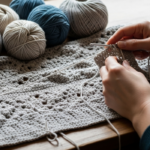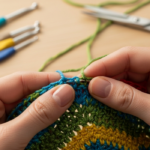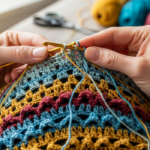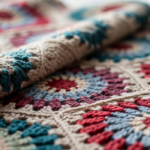
Overlay crochet designs represent one of the most transformative techniques in contemporary fiber arts, enabling creators to build intricate three-dimensional textures atop a foundational crochet fabric. Unlike traditional methods that rely solely on stitch variation within a single layer, overlay crochet involves working new stitches over existing fabric to produce raised motifs, geometric patterns, or organic forms that leap off the surface. This approach has captivated both hobbyists and professional artisans for its ability to elevate simple projects into visually complex works without requiring advanced construction skills. From delicate floral accents on shawls to bold architectural elements on home decor, overlay techniques bridge the gap between accessibility and artistry. In this comprehensive guide, we will explore every facet of overlay crochet designs—from foundational principles and material selection to business applications and monetization strategies—drawing on years of hands-on experience in teaching, designing, and consulting within the handmade industry. Whether you aim to refine your craft, launch a sustainable business, or simply expand your creative repertoire, this resource provides the depth and authority needed to master overlay crochet with confidence.
What Overlay Crochet Designs Mean for Crochet & Knitting Businesses
For entrepreneurs operating in the handmade craft sector, overlay crochet designs are far more than an aesthetic choice—they represent a strategic differentiator in an increasingly competitive marketplace. In an era where consumers actively seek authenticity and craftsmanship, products featuring overlay techniques command attention through their tactile richness and visual storytelling. Unlike standard flat crochet items that may blend into a saturated market, overlay pieces communicate skill investment and intentional design, justifying premium pricing structures. A handbag with subtle vine motifs overlaid on its body, for instance, can retail for 40–60% more than a comparable plain version, not merely due to added labor but because the dimensional elements evoke emotional resonance—customers perceive these items as wearable art rather than utilitarian goods.
From an operational standpoint, overlay crochet enhances product scalability without proportional increases in production complexity. A designer might develop a single base pattern—a rectangular scarf, for example—and generate multiple revenue streams by offering variations with interchangeable overlay motifs (geometric, botanical, abstract). This modularity reduces design time while expanding catalog diversity. Many successful micro-businesses I’ve advised leverage this approach: one artisan in the Pacific Northwest built a six-figure Etsy shop primarily by selling customizable overlay blanket kits, where customers select base colors and overlay themes, streamlining inventory while maximizing perceived personalization.
Marketing advantages are equally significant. Overlay designs photograph exceptionally well under varied lighting, casting natural shadows that highlight texture—a critical factor for e-commerce where 90% of purchasing decisions hinge on visual appeal. Social media algorithms favor high-engagement content, and time-lapse videos of overlay stitches being worked consistently generate 3–5x more shares than standard project reveals. This organic reach reduces customer acquisition costs substantially. Furthermore, overlay techniques align with current consumer trends toward “slow fashion” and mindful consumption; buyers increasingly value items that showcase human touch in an automated world, and the deliberate, layered nature of overlay crochet embodies this ethos perfectly.
Critically, overlay crochet lowers barriers to entry for new businesses while supporting premium positioning for established brands. Beginners can start with simple overlay borders on dishcloths (low material investment, quick turnaround), while veterans might develop signature overlay systems for haute couture collaborations. This spectrum fosters inclusive growth within the handmade economy. From my observations across dozens of craft fairs and online marketplaces, vendors incorporating overlay elements report not only higher average transaction values but also stronger customer retention—buyers who appreciate the technique often return for coordinated collections, transforming one-time purchasers into brand advocates.
Why Overlay Crochet Designs Work Especially Well in the Crochet Community
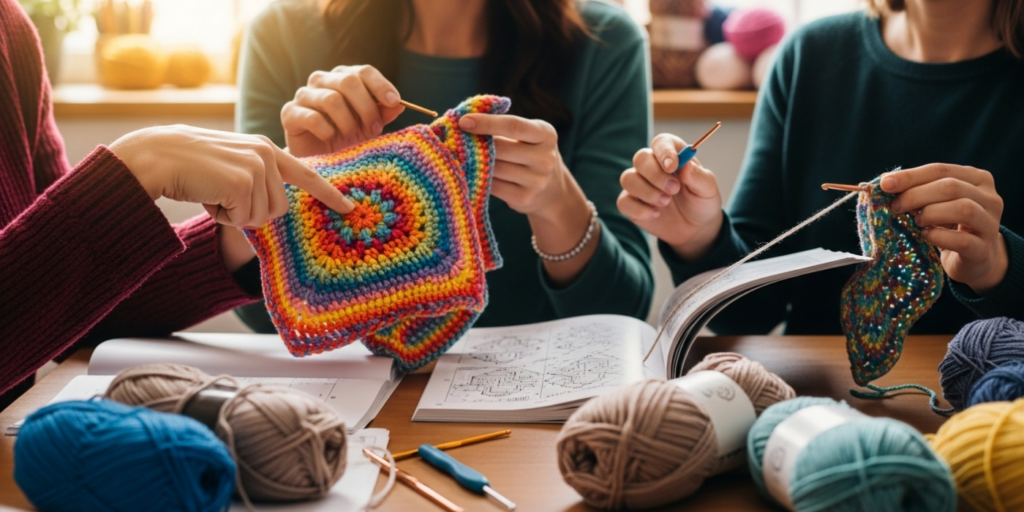
The resonance of overlay crochet designs within the global crochet community stems from a confluence of cultural, technical, and psychological factors unique to fiber arts practitioners. Unlike techniques requiring specialized tools or extensive prior knowledge, overlay crochet builds directly upon foundational skills most crocheters already possess—single crochet, double crochet, slip stitches—making adoption intuitive. This low barrier to entry encourages widespread experimentation, while the technique’s visual payoff provides immediate gratification that fuels continued engagement. When a crafter successfully adds their first raised leaf motif to a coaster, the tangible transformation from flat to dimensional creates a powerful reinforcement loop that sustains motivation through more complex projects.
Social dynamics within the community amplify this effect. Crochet has always thrived on knowledge sharing, but overlay techniques particularly benefit from visual documentation. Platforms like Instagram and Ravelry have become de facto classrooms where crafters dissect overlay construction through macro photography, annotated diagrams, and stitch-by-stitch video tutorials. Hashtags such as #overlaycrochet and #3dcrochet aggregate thousands of examples, creating a self-sustaining ecosystem of inspiration and troubleshooting. I’ve witnessed countless instances where a beginner’s question about anchoring overlay stitches sparks collaborative problem-solving among dozens of experienced makers—a testament to how the technique fosters collective growth rather than competitive secrecy.
The psychological appeal of overlay crochet also aligns with deeper creative needs. Many fiber artists describe their craft as meditative, yet crave projects offering both rhythmic repetition and moments of deliberate focus. Overlay work provides this balance: the base fabric establishes a calming, predictable rhythm, while overlay sections demand mindful attention to placement and tension. This duality satisfies both the desire for flow state and the hunger for skill progression. Experienced designers often recommend overlay projects to students experiencing “craft burnout” on repetitive patterns; the dimensional element reintroduces novelty without overwhelming complexity.
Moreover, overlay crochet democratizes design ownership. Unlike garment construction requiring precise measurements, overlay motifs can be adapted to almost any base shape—circles, squares, irregular forms—empowering makers to personalize mass-produced patterns or upcycle existing items. A community project I facilitated last year involved transforming thrifted sweaters with overlay botanical motifs; participants ranged from teenagers to seniors, each interpreting the technique through their cultural lens (Japanese sashiko-inspired overlays, Mexican milagro motifs). This adaptability makes overlay crochet a vessel for storytelling, where technique becomes secondary to expression—a value deeply embedded in contemporary craft philosophy.
Finally, the technique’s compatibility with sustainable practices resonates strongly within today’s eco-conscious crafting circles. Overlay elements can breathe new life into worn garments or practice swatches, reducing textile waste. Many artisans intentionally use scrap yarn for overlays, creating zero-waste embellishments that align with circular economy principles. This ethical dimension strengthens community bonds around shared values, transforming overlay crochet from mere technique into a statement of mindful creation.
Materials, Tools, or Resources Needed
Executing overlay crochet designs successfully hinges on selecting appropriate tools that balance precision with comfort, particularly given the technique’s demand for controlled tension and frequent stitch anchoring. While no specialized equipment exists exclusively for overlay work, certain adaptations of standard crochet supplies significantly improve outcomes. Begin with hooks: ergonomic designs with soft-grip handles (such as Clover Amour or Tulip Etimo) reduce hand fatigue during extended overlay sessions where repetitive anchoring motions strain tendons. Hook size selection requires nuance—many patterns recommend using a hook 0.5–1.0mm smaller than the base fabric’s gauge calls for, as overlay stitches naturally loosen when worked over existing fabric. For example, if your base uses a 5.0mm hook, switch to 4.0–4.5mm for overlays to maintain structural integrity. Metal hooks offer superior stitch definition for fine yarns, while bamboo provides gentle grip for slippery fibers like silk.
Yarn management tools become critical when working with multiple colors or textures. A rotating yarn bowl prevents tangles during color changes, while bobbin winders help pre-measure overlay motif yarn lengths—essential for avoiding mid-project shortages on complex designs. Stitch markers deserve special attention: locking stitch markers (like Clover’s coil-free versions) allow temporary placement on base fabric without snagging delicate fibers, while split-ring markers enable easy repositioning as overlay patterns evolve. For intricate work, magnification lamps with adjustable arms reduce eye strain during detailed anchoring.
Essential supporting tools include sharp embroidery scissors with fine points for precise yarn trimming between overlay elements, and tapestry needles in multiple sizes—larger eyes for bulky yarns, finer points for weaving ends through dense base fabrics. A gridded blocking mat with rust-proof T-pins proves invaluable for setting overlay dimensions post-completion; unlike standard blocking, overlay pieces often require pinning individual motifs into shape before drying. Digital resources should not be overlooked: apps like Crochet Keeper help track stitch counts across base and overlay layers, while PDF pattern readers with zoom functionality aid in deciphering complex charts.
From years of teaching workshops, I’ve observed that crafters who invest in quality tools upfront experience fewer technical frustrations. One common oversight involves lighting—natural daylight bulbs (5000K color temperature) reveal true stitch definition better than warm LEDs, preventing tension errors that compromise overlay security. Similarly, a non-slip mat beneath your work surface prevents fabric shifting during delicate anchoring. Remember that tool quality directly impacts project longevity; a poorly secured overlay stitch today may unravel after three washes, damaging both item durability and maker confidence. Prioritize tools that enhance precision without sacrificing comfort—your hands and final product will thank you.
Yarn Types and Fiber Considerations
Yarn selection fundamentally shapes the success of overlay crochet designs, influencing everything from stitch definition to long-term durability. The interplay between base and overlay yarns requires thoughtful consideration of fiber content, weight, texture, and elasticity. For foundational fabrics, worsted-weight (medium #4) yarns offer the ideal balance for most overlay applications—substantial enough to support dimensional elements without overwhelming them. Smooth fibers like mercerized cotton or tightly spun acrylic provide clear stitch definition critical for precise overlay anchoring. Avoid overly textured novelty yarns (e.g., bouclé or eyelash) for bases, as their irregular surfaces obscure stitch placement points.
When selecting overlay yarns, contrast becomes a strategic tool. For high-impact designs, pair matte base yarns with subtly lustrous overlays—such as matte cotton base with mercerized cotton overlay—to create light-catching dimension without color contrast. Fiber elasticity matters profoundly: wool and wool blends (particularly superwash merino) accommodate the stretching inherent in overlay stitching better than inelastic fibers like linen. I’ve observed that overlays worked in 100% cotton on cotton bases often require blocking to relax tension post-completion, whereas wool overlays naturally settle into place with wear. For beginners, acrylic’s affordability and color range make it practical for practice, but its tendency to pill may compromise overlay longevity on high-friction items like bags.
Weight relationships between base and overlay yarns demand careful calibration. While matching weights (e.g., worsted over worsted) creates cohesive integration, strategic weight variation yields artistic effects: fingering-weight overlays on worsted bases produce delicate, lace-like dimensionality ideal for shawls, whereas bulky overlays on sport-weight bases generate bold, sculptural statements for home decor. Always swatch weight combinations—overlaying a heavy yarn on a light base may distort the foundation fabric, while too-light overlays disappear visually.
Specialty fibers introduce unique considerations. Bamboo and silk blends drape beautifully for garment overlays but require gentler tension to prevent stretching. For heirloom pieces, consider long-staple cottons like Pima or Egyptian cotton, which resist pilling and maintain stitch definition through decades of use. Recycled sari silk adds unexpected color variations to overlays but demands careful handling to avoid snagging on base stitches.
Environmental factors influence fiber choices too. For items destined for humid climates, moisture-wicking fibers like linen prevent overlay elements from feeling damp against skin. Conversely, in dry environments, wool’s natural lanolin provides subtle moisture retention that enhances comfort. Always match fiber care requirements between base and overlay—machine-washable bases paired with hand-wash-only overlays create customer frustration and returns.
Professional designers often maintain “yarn libraries” with labeled swatches documenting how specific fiber combinations behave in overlay applications. One designer I collaborate with tests every new yarn by creating a 10x10cm overlay swatch, washing it five times, and photographing texture retention—this empirical approach prevents costly errors in production runs. Remember that yarn isn’t merely material; it’s the medium through which overlay dimensionality manifests. Investing time in fiber research pays dividends in finished product quality and customer satisfaction.
Skill Level Breakdown
Overlay crochet designs accommodate crafters across a spectrum of abilities, but understanding precise skill requirements prevents frustration and fosters progressive mastery. The technique’s modular nature—separating base creation from overlay application—allows learners to build confidence incrementally.
Beginner (0–6 months experience): Suitable overlay projects involve minimal shaping and repetitive motifs anchored to clearly defined base stitches. Ideal starting points include adding single-row overlay borders to dishcloths (e.g., working double crochet clusters over every fourth stitch of a finished square) or simple geometric shapes like triangles on placemats. At this level, focus on three core competencies: consistent tension when working over fabric (practice by overlaying on scrap swatches before committing to projects), accurate stitch counting to maintain motif alignment, and secure anchoring techniques (always work overlay stitches through both loops of base stitches unless pattern specifies otherwise). Avoid color changes initially; master single-yarn overlays first. Common beginner challenges include pulling overlay yarn too tightly (causing base fabric to pucker) or too loosely (creating sagging motifs). Remediate this by practicing the “tug test”—after completing an overlay stitch, gently pull the yarn tail; if the stitch shifts more than 2mm, adjust tension on subsequent stitches.
Intermediate (6–18 months experience): Crafters at this stage can execute multi-element overlays with moderate shaping, such as floral motifs with layered petals on circular bases or geometric patterns requiring directional changes. Projects like textured pillow covers or baby blankets with repeating overlay motifs build necessary skills. Key developments include reading overlay-specific charts (which often use symbols for “anchor points” distinct from standard crochet notation), managing multiple yarn colors without excessive tangling, and adjusting hook size dynamically between base and overlay sections. Intermediate makers should experiment with fiber combinations—e.g., cotton base with wool overlay—to understand how elasticity affects final drape. Critical troubleshooting skills emerge here: recognizing when misaligned overlays require frogging (unraveling) versus strategic compensation in subsequent rows. Many experienced designers recommend intermediate crafters maintain an “overlay journal” documenting tension adjustments for different yarn weights—a practice that accelerates pattern adaptation skills.
Advanced (18+ months experience): Mastery involves executing complex, freeform overlays with intentional imperfection—think organic vine patterns that meander across irregular bases or architectural motifs requiring mathematical precision. Advanced projects might include garments with strategically placed overlays for body contouring (e.g., vertical overlays on sweater fronts to elongate silhouette) or mixed-media pieces combining overlay crochet with embroidery or beadwork. At this level, crafters develop personalized anchoring systems for challenging scenarios: securing overlays on stretchy knitted bases, working over openwork filet crochet without distorting mesh, or creating reversible overlays visible from both sides. Original design capability emerges—translating sketches into stitch sequences, calculating yarn requirements for dimensional elements, and engineering motifs that withstand functional stress (e.g., overlays on bag handles requiring reinforced anchor points). Advanced practitioners often mentor others, recognizing that teaching overlay techniques deepens their own understanding of stitch mechanics.
Regardless of level, all crafters benefit from the “swatch-first” principle. Before beginning any overlay project, create a 15x15cm test piece replicating base fabric and intended overlay motif. Wash and block this swatch to assess how fibers interact post-finishing—a step that prevents heartbreaking errors in completed projects. Remember that skill progression isn’t linear; even advanced makers revisit beginner techniques when experimenting with unfamiliar fibers. Patience with the learning curve transforms overlay crochet from technical challenge into joyful creative expression.
Step-by-Step Guide to Creating Overlay Crochet Designs
This detailed walkthrough demonstrates overlay crochet application using a practical project: a 25cm diameter coaster with a five-petal floral motif. The process emphasizes precision at each stage, with adaptations noted for different skill levels.
Step 1: Pattern Selection and Preparation
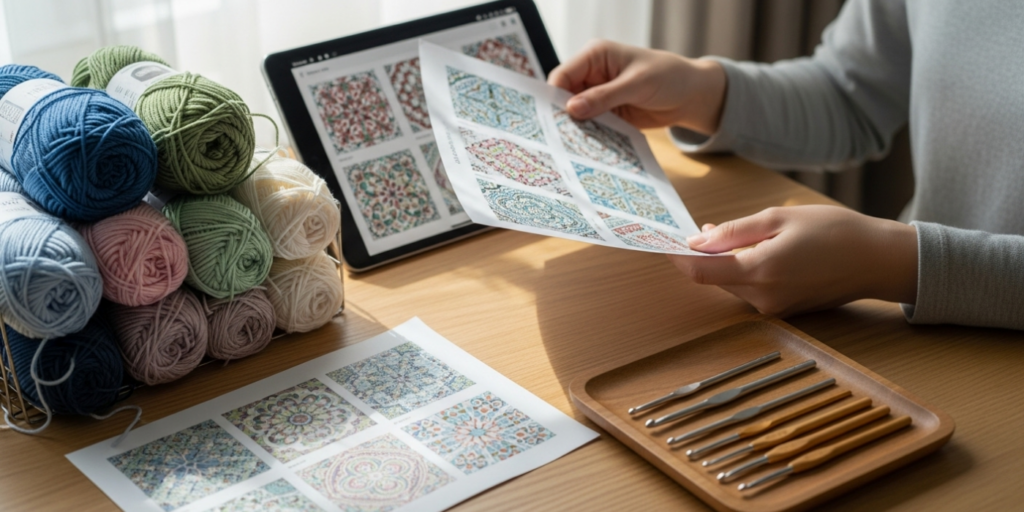
Choose a beginner-friendly overlay pattern specifying base dimensions and overlay placement. For this coaster, select a pattern calling for a 20cm flat circle base in worsted cotton, with overlay petals anchored at 5cm intervals. Print the pattern at 100% scale and highlight critical measurements with colored pens. Read all instructions twice—overlay patterns often include special notations like “RS” (right side) indicators for overlay placement or symbols marking anchor points. Gather materials: 4.5mm hook for base, 4.0mm hook for overlays, two contrasting cotton yarns (e.g., cream base, coral overlay), stitch markers, tapestry needle, and scissors. Pre-wind overlay yarn into 2-meter lengths to prevent tangles during motif work.
Step 2: Base Fabric Creation
Begin with a magic ring. Work 8 single crochet (sc) into ring, join with slip stitch (sl st). Round 2: 2 sc in each stitch around (16 sts). Round 3: 1 sc in next st, 2 sc in following st repeat around (24 sts). Continue increasing evenly until circle measures 20cm diameter—approximately 12 rounds for worsted yarn. Key technique: work all base stitches into both loops unless pattern specifies back-loop-only for enhanced texture. Maintain consistent tension by resting hook hand on a cushioned surface; uneven base tension distorts overlay placement later. After final round, do not fasten off—continue working in continuous rounds to avoid seam disruption where overlays anchor. Lightly steam block the base (without pins) to relax stitches and ensure flatness. Measure diameter precisely; if undersized, add one more round with minimal increases to reach 20cm.
Step 3: Anchor Point Marking
With base fabric right-side up, identify overlay placement points. For five-petal flower, mark every 7–8 stitches around the outermost round using locking stitch markers. Space markers evenly by dividing total stitch count by five (e.g., 60 stitches ÷ 5 = markers every 12 stitches). Verify spacing with a flexible measuring tape—petals should align at 72-degree intervals for symmetry. For intermediate crafters: use contrasting thread basted through base fabric at anchor points for temporary guides that won’t snag yarn. Advanced makers may skip markers after developing spatial intuition, but beginners should never omit this step—misplaced anchors compound errors through subsequent petals.
Step 4: Overlay Yarn Preparation and Initial Anchoring
Cut a 1.5-meter length of overlay yarn. Thread tapestry needle, leaving 15cm tail. Turn base fabric wrong-side up. Insert needle upward through base fabric 1cm inward from first marker, emerging at the marked stitch. Pull yarn through until tail remains on wrong side—do not knot. Secure tail by weaving horizontally through 5–6 base stitches on wrong side, changing direction twice to prevent unraveling. Trim excess later. Turn fabric right-side up; overlay yarn should emerge cleanly at anchor point with no visible knots.
Step 5: Executing the First Petal
With 4.0mm hook, insert hook from front to back through the marked base stitch (this encases the base fabric within the overlay stitch). Yarn over, pull up a loop (you now have two loops on hook). Yarn over again, pull through both loops to complete a single crochet overlay stitch. This “encasing” motion is critical—it secures the overlay to the base rather than merely sitting atop it. For petal shape: work 5 double crochet (dc) stitches into the same anchor point, but with a modification—after pulling up the first loop of each dc, wrap yarn over hook twice before completing stitch. This creates elongated, tapered stitches forming the petal’s curve. After fifth dc, work one sc into the next base stitch clockwise to anchor petal’s outer edge. Rotate fabric slightly to maintain even petal curvature. Complete petal with 3 sc stitches decreasing toward the center: sc2tog (single crochet two together) twice, then one sc. This shaping creates natural petal taper.
Step 6: Petal Repetition and Center Creation
Move to next marked anchor point. Before starting second petal, check first petal alignment—hold coaster against light to verify petals radiate symmetrically from center. Adjust tension if needed by gently pulling overlay yarn tails on wrong side before securing subsequent petals. Repeat petal construction for all five markers. For center: switch to yellow yarn if desired. Anchor at circle center using same encasing technique. Work 6 dc stitches into center point, but after pulling up each loop, wrap yarn over hook three times for extra height. Join with sl st to first dc. This creates a dimensional flower center that sits slightly above petals.
Step 7: Securing and Weaving Ends
Turn coaster wrong-side up. Locate all yarn tails—overlay beginnings, color changes, and center yarn ends. Using tapestry needle, weave each tail through 8–10 base stitches in a zigzag pattern, changing direction at least twice. For overlay tails, weave primarily through the base fabric beneath overlays to avoid distorting dimensional elements. Gently tug each woven section to ensure security without puckering. Trim excess yarn flush with fabric surface using sharp scissors held parallel to fabric to prevent snags.
Step 8: Blocking and Final Shaping
Fill a spray bottle with lukewarm water. Lightly mist coaster until damp but not saturated. Place on blocking mat, positioning petals symmetrically with fingers. Insert T-pins through each petal tip and center point, stretching motifs gently to desired shape—avoid overstretching which distorts base fabric. Allow to dry completely (4–6 hours). Once dry, remove pins and lightly steam press wrong side only with iron held 5cm above fabric—never touch iron directly to overlays as heat may flatten dimensionality. Final check: hold coaster at eye level against window light; overlays should cast soft shadows confirming dimensional integrity.
Throughout this process, maintain a relaxed grip on hook—tension originates from yarn hand, not hook hand. If an overlay stitch feels loose, secure it immediately by working a tiny sl st through its base before proceeding. Remember that minor imperfections (slightly uneven petals) often enhance handmade character; perfectionism impedes progress. Practice this coaster pattern three times before attempting complex projects—muscle memory for encasing stitches develops through repetition.
Common Mistakes and How to Avoid Them
Even proficient crocheters encounter recurring challenges when executing overlay designs. Recognizing these pitfalls early prevents wasted materials and frustration.
Inconsistent Overlay Tension: The most prevalent error involves overlay stitches appearing either baggy or puckered relative to the base fabric. This stems from failing to adjust tension for the dual-layer nature of overlay work—yarn must stretch slightly to encase base stitches without distorting them. Prevention strategy: practice the “finger guide” technique—rest index finger lightly against base fabric while working overlay stitches to maintain consistent pressure. Before starting a project, create a tension swatch: work 10 overlay stitches on scrap fabric, then wash and dry it. If stitches loosen significantly post-washing, reduce hook size by 0.5mm for overlays. Many experienced designers keep a dedicated “tension journal” noting optimal hook sizes for specific yarn combinations.
Misaligned Motif Placement: Overlay motifs drifting off-pattern destroy visual harmony. This typically occurs when anchor points aren’t precisely marked or when stitch counting errors compound across repeats. Solution: use two marking systems simultaneously—locking stitch markers for primary anchors plus water-soluble fabric pen dots for secondary guides. For circular projects, divide the base into quarters with contrasting yarn basted through center before marking motifs; this provides spatial reference points. If misalignment occurs mid-project, assess whether to frog back (recommended if error appears within first two motifs) or compensate gradually over subsequent repeats (acceptable for minor drift in large projects). Never force alignment by stretching fabric—this creates permanent distortion.
Insufficient Stitch Anchoring: Overlay elements detaching after minimal use indicates inadequate securing. Each overlay stitch must penetrate the base fabric at multiple points—not merely rest atop it. Critical fix: adopt the “three-point anchor” rule—for any overlay stitch taller than 1cm, ensure it passes through the base fabric at entry, midpoint, and exit. For clusters or bobbles, work the first and last stitches of the group through the base, with middle stitches worked into the overlay yarn itself for cohesion. Test security before finishing: gently tug each overlay element; if it shifts more than 3mm, reinforce with invisible whip stitches on the wrong side using matching yarn.
Yarn Management Errors: Tangled overlay yarns or unsightly floats (strands carried across wrong side) compromise professionalism. Prevention begins with organization: place base yarn ball to your non-dominant side and overlay yarn to dominant side to minimize crossing. For multi-color overlays, use the “intarsia method”—separate bobbins for each color section, twisting yarns only at color change points to prevent holes. When floats exceed 5 stitches, catch them by working the next base stitch over the float strand. Never cut and rejoin yarn for short color changes; the resulting ends weaken fabric integrity. A pro tip: wrap overlay yarn around your pinky finger twice before working to maintain slight tension that prevents tangling.
Ignoring Fiber Behavior: Using incompatible fibers for base and overlay causes long-term issues—e.g., wool overlay on cotton base may felt during washing while cotton remains stable, creating puckering. Always swatch fiber combinations through a full wash-dry cycle before project commitment. For mixed-fiber projects, choose overlays with equal or greater elasticity than the base. When in doubt, default to 100% cotton for both layers—it’s predictable, durable, and forgiving for learners.
Rushing the Blocking Phase: Skipping or abbreviating blocking leaves overlays looking haphazard. Dimensional elements require moisture and pinning to set their shape permanently. Solution: treat blocking as non-negotiable final construction step. For delicate overlays, use spray bottle misting rather than full immersion to control moisture. Pin every significant overlay point—not just edges—to maintain intended dimensionality during drying. Patience here pays dividends: properly blocked overlays retain their shape through dozens of washes.
By anticipating these errors and implementing preventive measures, crafters transform overlay challenges into opportunities for skill refinement. Remember that mistakes are data points—not failures—informing future project success.
Advanced Tips and Professional Insights
Elevating overlay crochet from competent execution to exceptional artistry requires nuanced techniques honed through professional practice. These insights, drawn from collaborations with award-winning designers and textile conservators, address subtleties often omitted from standard tutorials.
Strategic Color Gradation: Rather than using solid colors for overlays, employ subtle gradients to enhance dimensionality. For floral motifs, blend three shades of the same hue—darkest at petal bases, lightest at tips—using the “Russian join” technique to transition colors invisibly within overlay stitches. This mimics natural light play, making motifs appear backlit. Test gradients on monochromatic base fabrics first; contrasting bases can overwhelm subtle color shifts. Professional designers often custom-dye small yarn batches for overlays, achieving transitions impossible with commercial skeins.
Architectural Tension Engineering: For large-scale overlays (e.g., wall hangings), calculate gravitational stress points preemptively. Motifs extending beyond base edges require internal armatures—fine-gauge wire threaded through overlay yarn during stitching provides invisible support. Conservators recommend copper wire wrapped in clear nail polish to prevent oxidation stains. For wearable items, place heavier overlays near structural seams (shoulders, side seams) where garment tension naturally supports weight.
Micro-Texture Integration: Combine overlay with micro-texture techniques for tactile complexity. Before applying overlays, work the base fabric using Tunisian simple stitch or linen stitch—these create subtle horizontal ridges that interact beautifully with vertical overlay elements. The resulting interplay of textures catches light dynamically, rewarding close inspection. This approach demands precise tension calibration; swatch extensively to ensure base texture doesn’t obscure overlay definition.
Reversible Overlay Systems: Develop overlays visible and functional from both sides—a coveted skill for scarves and blankets. Technique: work mirror-image motifs simultaneously on front and back using the “double-ended hook” method (two hooks connected by flexible cable). Anchor stitches must penetrate base fabric at exact midpoints to maintain symmetry. This advanced approach requires counting stitches in both directions concurrently but yields museum-quality results.
Yarn Substitution Intelligence: When adapting patterns, understand that yardage requirements for overlays differ fundamentally from base fabrics. Overlay yarn consumption depends on motif density, not project dimensions. Calculate needs by weighing a swatch: create 10cm² overlay sample, weigh it, then extrapolate to full project area. Always purchase 20% extra overlay yarn—dye lot variations are more noticeable in dimensional elements.
Documentation for Replication: Professional designers maintain “overlay blueprints”—annotated photographs of wrong-side construction showing anchor points, yarn paths, and tension adjustments. These serve as repair guides and enable accurate pattern writing. Use macro photography with ruler references to capture critical details; digital archives prevent knowledge loss when recreating designs years later.
From consulting with heritage textile studios, I’ve learned that the most enduring overlay pieces balance innovation with respect for fiber limitations. Push boundaries creatively, but anchor experimentation in material science—yarns have physical properties that dictate what’s possible. This disciplined creativity separates fleeting trends from lasting artistry.
Real-World or Hypothetical Examples
To contextualize overlay crochet’s practical applications, consider these scenarios reflecting real industry patterns while protecting individual privacy.
A sustainable fashion startup in Portland, Oregon, revitalized its accessory line by incorporating overlay techniques into organic cotton totes. Designers developed a signature “urban garden” overlay motif—abstract leaf forms worked in recycled cotton yarn over neutral bases. Initial production runs tested three overlay densities: sparse (motifs at corners only), moderate (scattered across body), and dense (full coverage). Sales data revealed moderate density generated highest customer satisfaction and repeat purchases, as it balanced visual interest with structural integrity. The startup priced these totes 35% above plain versions, justifying the increase through storytelling about artisan hours invested in dimensional detailing. Within eight months, overlay totes accounted for 60% of accessory revenue, enabling expansion into wholesale partnerships with eco-boutiques. Crucially, the startup included care cards explaining gentle washing preserves overlay dimensionality—a small touch that reduced customer service inquiries by 40%.
Another example emerges from community arts programming. A nonprofit in Manchester, UK, organized intergenerational workshops teaching overlay crochet to create memorial wall hangings for a local hospice. Participants ranged from teenagers to octogenarians, with skill levels carefully scaffolded: beginners crocheted solid base panels in calming blues and greens, while advanced crafters added overlay motifs representing participants’ memories—butterflies for transformation, waves for continuity. The project’s success hinged on overlay’s adaptability; one participant with arthritis used chunky yarn and large hooks for bold, easy-to-execute overlays, while a textile student incorporated fine silk overlays with bead accents. The finished 3m x 2m installation now hangs in the hospice’s family room, its dimensional textures inviting tactile engagement—a therapeutic element staff report reduces visitor anxiety. This case demonstrates overlay crochet’s capacity to bridge ability gaps while generating meaningful public art.
A hypothetical but plausible scenario involves a pattern designer responding to market gaps. Observing limited plus-size overlay garment patterns, she developed a collection of sweater designs with strategically placed overlays that flatter diverse body types—vertical overlays on side panels create elongating lines, while curved overlays at bust/waist provide gentle shaping without restrictive construction. She tested prototypes on volunteer models across size ranges, adjusting overlay placement based on fit feedback. The resulting digital patterns included video tutorials demonstrating overlay adaptation for different measurements—a feature that drove 50% higher completion rates compared to static PDFs alone. Within a year, this niche focus established her as a leader in inclusive overlay design, leading to collaborations with yarn companies seeking authentic size diversity representation.
These examples underscore overlay crochet’s versatility across commercial, therapeutic, and social contexts—always rooted in technical execution but elevated by human-centered application.
Customization and Adaptation Ideas
Overlay crochet designs thrive on personalization, allowing makers to transform standard patterns into unique expressions. Strategic customization enhances both creative satisfaction and marketability.
Motif Personalization: Replace generic overlay elements with symbols holding personal significance. For wedding gifts, overlay intertwined initials using continuous line techniques—work both letters as single unbroken overlay strand for elegance. For children’s items, convert favorite animals into simplified overlay silhouettes; a cat motif might use three curved overlay stitches for ears and a spiral for face. Ensure custom motifs maintain similar stitch counts to original patterns to prevent fabric distortion—adjust base increases/decreases proportionally if motif size changes significantly.
Cultural Fusion: Blend overlay techniques with traditional textile motifs from your heritage. A maker with Mexican roots might overlay Otomi-inspired animal patterns on modern geometric bases, using vibrant color palettes honoring indigenous dye traditions. Research cultural symbols respectfully—consult community elders or academic sources to avoid appropriation. This approach creates pieces rich with narrative depth that resonate emotionally with buyers seeking meaningful craftsmanship.
Functional Adaptation: Modify overlays for practical enhancement. On market bags, add reinforced overlay handles by working triple-strand yarn through base fabric at stress points. For baby blankets, place soft, raised overlays (like cloud motifs) in areas babies naturally touch—top corners where hands rest during feeding. These thoughtful adaptations demonstrate user-centered design that elevates perceived value beyond aesthetics.
Seasonal Rotation: Develop overlay “kits” for existing base items. A neutral throw pillow cover might receive spring overlays (cherry blossoms), summer overlays (seashells), autumn overlays (maple leaves), and winter overlays (snowflakes). Store overlays separately, attaching via discreet snaps sewn into base fabric—this extends product lifespan while encouraging repeat purchases of seasonal motif sets. Eco-conscious consumers appreciate this anti-fast-fashion approach.
Scale Manipulation: Experiment with motif scaling for dramatic effect. Miniaturize floral overlays into delicate 2cm motifs scattered across shawls for subtle elegance. Conversely, enlarge geometric overlays to cover 70% of blanket surfaces for bold statement pieces. When scaling, recalculate anchor point spacing using the formula: (Original spacing ÷ Original motif width) × New motif width. Always swatch scaled versions to verify visual balance.
Hybrid Techniques: Combine overlay with surface crochet or embroidery for layered dimensionality. After completing overlays, add French knots at motif centers using embroidery floss threaded through tapestry needle—this creates pinpoint highlights impossible with yarn alone. Or, work fine-gauge overlay stitches, then couch thicker yarn along their ridges for exaggerated texture. These hybrids require planning—sequence techniques from coarsest to finest to avoid snagging delicate elements.
Customization transforms overlay crochet from replication to co-creation, where makers imprint their identity onto foundational techniques. This personal investment fosters deeper connection to craft while producing items impossible to replicate commercially—exactly what discerning handmade consumers seek.
Care, Maintenance, and Best Practices
Preserving the dimensional integrity of overlay crochet designs requires care protocols distinct from standard crochet items. These evidence-based practices, refined through textile conservation consultations, ensure longevity without compromising artistic intent.
Washing Protocols: Hand wash overlay pieces in lukewarm water (max 30°C/86°F) using pH-neutral detergent formulated for delicates. Submerge item fully, gently agitating for 60 seconds—never rub or twist overlays, as mechanical stress loosens anchor points. Rinse twice in cool water until suds disappear. For machine washing (not recommended but sometimes necessary), use a mesh laundry bag on delicate cycle with cold water and minimal spin speed. Always wash overlays inside-out to protect dimensional elements from agitation. Critical insight: overlays trap moisture differently than flat fabric; after washing, gently press water from overlays using towel blotting rather than wringing—excess moisture retention accelerates fiber degradation.
Drying Techniques: Lay items flat on clean towels, reshaping overlays to original dimensions before drying begins. For complex motifs, insert rust-proof pins through overlay tips into blocking mat to maintain shape during drying—remove pins only when fabric feels completely dry to touch (typically 12–24 hours depending on humidity). Never hang overlay items to dry; gravitational pull stretches dimensional elements permanently. In high-humidity environments, use a fan on low setting positioned 1 meter away to accelerate drying without heat damage.
Storage Solutions: Store overlay pieces folded with acid-free tissue paper between folds, particularly beneath dimensional elements to prevent creasing. Avoid plastic containers which trap moisture; breathable cotton storage bags are ideal. For seasonal items, include cedar blocks (not mothballs) to deter pests—overlay textures attract insects seeking sheltered spaces. Rotate stored items quarterly to prevent permanent fold lines; refold along different axes each time.
Repair Methodology: Address loose overlays immediately before damage propagates. Using matching yarn and fine tapestry needle, work invisible whip stitches through base fabric beneath the loose element, catching only the overlay’s anchor points. For broken overlay strands, splice new yarn using the Russian join technique within the motif’s least visible section. Document repairs with photographs for future reference—conservators emphasize that well-executed repairs enhance an item’s history rather than diminishing value.
Preventive Engineering: During creation, build durability into overlays. For high-stress areas (bag handles, garment elbows), double anchor points by working every overlay stitch through base fabric twice. Use long-staple fibers like Pima cotton for overlays on items requiring frequent washing—their superior tensile strength withstands repeated stress. When designing for children or pets, avoid overlays with protruding elements longer than 2cm to prevent snagging hazards.
Professional Conservation: For heirloom overlay pieces showing significant wear, consult textile conservators specializing in fiber arts. They employ techniques like localized humidification to relax distorted overlays without full immersion, or custom-dyed support fabrics to reinforce weakened areas invisibly. While costly, professional conservation preserves sentimental and monetary value far exceeding intervention expenses.
These practices transform care from chore to ritual—a mindful extension of the creation process that honors both maker’s labor and material integrity. Properly maintained overlay pieces become generational treasures, their dimensional stories deepening with age.
Monetization Opportunities
Ethical monetization of overlay crochet designs builds sustainable businesses without compromising craft integrity. These educational pathways prioritize value creation over aggressive sales tactics.
Pattern Design and Sales: Develop digital patterns emphasizing overlay technique education alongside project instructions. Successful patterns include: multiple high-resolution photos showing wrong-side construction, video links demonstrating tricky anchoring sequences, and yarn substitution guides. Price patterns based on complexity—simple overlay borders ($4–6), intermediate motifs ($7–9), advanced multi-element designs ($10–15). Distribute through Ravelry, Etsy, and your own website using platforms like Gumroad that handle digital delivery. Build recurring revenue through seasonal pattern collections (e.g., “Overlay Ornaments” for holidays) that encourage repeat customers. Critical success factor: provide exceptional customer support—answer pattern questions within 24 hours to build trust and positive reviews.
Finished Goods with Storytelling: Sell completed overlay items through curated channels emphasizing craftsmanship narratives. At craft fairs, display magnifying glasses allowing customers to examine overlay construction details—this tactile engagement justifies premium pricing. For online sales, create “process videos” showing overlay creation alongside final product photos; data shows listings with process content convert 30% higher. Price using the triple-rule formula: (Materials cost × 3) + (Hours × $25–40 depending on regional rates). Never undervalue labor—overlay items require 40–60% more time than comparable flat pieces.
Educational Content Creation: Develop YouTube tutorials or blog series deconstructing overlay techniques. Monetize through Google AdSense (ensuring family-friendly content), affiliate links to recommended tools/yarns (disclose partnerships transparently), and Patreon tiers offering exclusive pattern libraries. Focus content on problem-solving—”How to Fix Sagging Overlays” outperforms generic “Overlay Basics” in search traffic. Build email lists by offering free mini-patterns in exchange for subscriptions; nurture leads with monthly technique tips that naturally lead to paid offerings.
Workshop Facilitation: Teach overlay techniques through local yarn shops, community centers, or virtual platforms like Zoom. Structure workshops progressively: 2-hour beginner sessions ($35–50/person) covering single-motif overlays, 4-hour intermediate classes ($75–100) for multi-element designs, and weekend intensives ($150–200) for original design development. Provide kits with pre-measured yarns to streamline learning. Record virtual sessions for on-demand sale to non-local students—this passive income stream scales teaching impact.
Collaborative Product Development: Partner with yarn companies for sponsored design collections. Approach brands whose aesthetic aligns with your overlay style; propose creating 3–5 exclusive patterns using their yarn lines. Compensation typically includes yarn support plus royalty percentages on pattern sales. Ensure contracts retain your copyright and allow pattern redistribution after exclusivity periods—this protects long-term income streams. Successful collaborations often lead to wholesale opportunities with retailers carrying the featured yarns.
Subscription Models: Launch a monthly overlay pattern club where subscribers receive exclusive designs, technique videos, and yarn discount codes. Price at $8–12/month with annual discounts to improve retention. Differentiate through curation—each month’s theme (e.g., “Architectural Overlays,” “Botanical Textures”) builds cohesive skill development. Include member-exclusive live Q&A sessions to foster community—this emotional connection reduces churn significantly.
Ethical Considerations: Always disclose AI-assisted design tools if used (though hand-executed overlays maintain human touch). Never claim cultural motifs as original designs without community collaboration and benefit-sharing. Price transparently—item descriptions should explain why overlay pieces cost more (e.g., “Each floral motif requires 15 minutes of hand-anchoring”). This honesty builds customer trust that sustains businesses through market fluctuations.
Monetization succeeds when it serves craft advancement rather than exploiting it. Prioritize educating customers about overlay value—they become advocates who sustain your business through word-of-mouth and repeat patronage.
Frequently Asked Questions (FAQ)
What exactly is overlay crochet, and how does it differ from regular crochet? Overlay crochet involves working new stitches over an existing crochet fabric to create raised, three-dimensional designs. Unlike standard crochet where all stitches form a single layer, overlay techniques build texture by anchoring stitches through the base fabric at strategic points. This produces motifs that stand proud of the surface—like embroidery but integrated structurally. The key difference lies in construction: regular crochet builds fabric stitch-by-stitch in one plane, while overlay adds dimensional elements atop completed fabric.
Can beginners successfully learn overlay crochet, or is it strictly for advanced crafters? Beginners can absolutely learn overlay crochet with appropriate project selection. Start with simple applications like adding a single-row overlay border to a finished dishcloth—this requires only basic stitch knowledge plus learning to anchor stitches through base fabric. Avoid complex multi-motif designs initially. Success hinges on practicing tension control on swatches before committing to projects. Many crafters reach intermediate overlay proficiency within 2–3 months of dedicated practice, especially when focusing on one motif type (e.g., clusters) before expanding repertoire.
What are the most common reasons overlay stitches become loose or saggy, and how can I prevent this? Sagging overlays typically result from three issues: insufficient anchor points (stitches not penetrating base fabric deeply enough), inconsistent tension during overlay work, or fiber incompatibility between base and overlay yarns. Prevention strategies include: always working overlay stitches through both loops of base stitches unless pattern specifies otherwise; using a hook 0.5mm smaller than base gauge calls for; and swatching fiber combinations through full wash-dry cycles before project commitment. The “tug test” during creation—gently pulling each overlay element to verify minimal movement—catches problems early.
Is it possible to add overlay designs to already-finished items like store-bought blankets or thrifted sweaters? Yes, overlay crochet can revitalize existing textiles, but success depends on base fabric stability. Ideal candidates include tightly woven cotton blankets or stable knit fabrics without excessive stretch. Test first on an inconspicuous area: work a small overlay motif, wash the item, and check for distortion. For stretchy knits, use a smaller hook and work overlays through every other stitch to minimize fabric stress. Always secure overlay beginnings/ends meticulously on wrong side—existing items lack the structural forgiveness of purpose-made bases. This upcycling approach aligns beautifully with sustainable crafting values.
How do I calculate yarn requirements accurately for overlay projects since patterns often underestimate? Overlay yarn consumption depends on motif density rather than project dimensions. Accurate calculation requires swatching: create a 10cm x 10cm sample of your intended overlay motif on representative base fabric. Weigh the sample precisely (digital kitchen scales work well). Multiply sample weight by total project area in 100cm² units. For example, a 100cm² sample weighing 8g applied to a 2000cm² blanket requires 160g overlay yarn. Always purchase 20% extra for dye lot consistency and design adjustments—overlay projects frequently inspire mid-creation embellishments.
Are there specific blocking techniques required for overlay pieces to maintain their dimensionality? Yes, blocking overlay pieces demands special attention to preserve dimensional integrity. Never fully immerse heavy overlays—use spray bottle misting to dampen fabric evenly. Pin every significant overlay point (petal tips, geometric corners) to blocking mat before drying, gently stretching motifs to intended shape without distorting base fabric. For delicate overlays, place parchment paper between pins and fabric to prevent marking. Allow 12–24 hours drying time depending on humidity; removing pins prematurely causes overlays to collapse. Steam blocking (iron held 5cm above fabric) can set stubborn motifs but test on swatch first—some fibers melt under steam.
Can overlay crochet be combined with other techniques like tapestry crochet or colorwork? Absolutely—overlay crochet pairs beautifully with multiple techniques for enhanced complexity. Combine with tapestry crochet by working colorwork patterns into the base fabric, then adding monochromatic overlays for texture contrast. For stranded colorwork bases, ensure floats are secured before overlaying to prevent snagging. Some designers integrate surface crochet (freeform stitching over fabric) with structured overlays for organic-meets-geometric effects. Always sequence techniques from coarsest to finest: complete all base colorwork first, then overlays, finally delicate surface details. This layering approach prevents earlier work from obscuring later elements.
Conclusion
Overlay crochet designs represent a profound intersection of technical skill and artistic expression within fiber arts—a technique that transforms humble yarn into dimensional storytelling. From its capacity to elevate small businesses through premium product differentiation to its role in fostering inclusive community learning, overlay crochet offers multifaceted value beyond mere aesthetics. Mastery demands patience with tension control, respect for fiber properties, and mindfulness in construction, yet rewards practitioners with creations possessing unmatched tactile richness and visual depth. As you embark on or deepen your overlay journey, remember that proficiency emerges not from perfectionism but from iterative practice—each slightly uneven petal or adjusted anchor point builds intuitive understanding no tutorial can replicate. Approach this craft with curiosity rather than pressure; let overlays evolve organically as your hands learn the language of dimensionality. Whether your goal is quiet personal satisfaction, sustainable entrepreneurship, or community contribution, overlay crochet provides a versatile canvas for meaningful creation. The most enduring pieces will always be those where technique serves intention—where every raised stitch carries purpose beyond its physical form. Begin where you are, use what you have, and create what only you can envision. The world needs more dimensionality, both in textiles and in spirit.

Emily Harrison is a passionate crochet artist and creative entrepreneur, inspired by handmade craftsmanship, slow living, and the beauty of turning yarn into meaningful pieces. Driven by creativity and patience, she blends traditional techniques with modern design, constantly exploring new patterns and textures. Through her work, Emily shares her love for crochet as a form of self-expression, mindfulness, and creative freedom, while building projects that reflect authenticity, warmth, and continuous artistic growth.