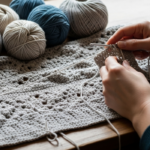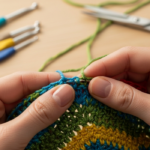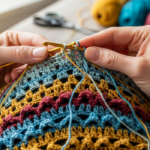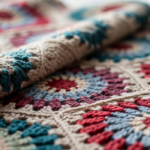
Mastering complex crochet stitch patterns represents a significant milestone in any fiber artist’s journey. For dedicated crafters and entrepreneurial artisans alike, the ability to decode and execute intricate designs transforms not only creative output but also professional potential. This skill moves beyond simple repetition of basic stitches into a realm where texture, dimension, and artistry converge. Understanding complex crochet stitch patterns requires more than memorization—it demands a systematic approach to pattern reading, tension management, and spatial reasoning. In this comprehensive guide, we break down the entire process into actionable steps that build confidence incrementally. Whether you create for personal fulfillment or commercial purposes, conquering these advanced techniques unlocks opportunities for distinctive work that stands apart in a crowded marketplace. The path to mastery involves patience, deliberate practice, and attention to detail, but the resulting creations—whether delicate lace shawls, textured afghans, or sculptural garments—demonstrate a level of craftsmanship that resonates deeply with discerning customers and fellow artisans.
What Mastering Complex Crochet Stitch Patterns Means for Your Business
For handmade businesses operating in today’s competitive craft economy, technical proficiency directly translates to commercial viability. Artisans who invest time in mastering complex crochet stitch patterns position themselves to offer products that cannot be easily replicated by mass production or beginner-level makers. From my years of consulting with fiber arts entrepreneurs, I’ve consistently observed that businesses emphasizing advanced techniques achieve higher average order values and stronger customer retention. A handbag featuring an intricate cable stitch pattern, for instance, commands premium pricing compared to one made with simple single crochet—customers recognize and value the visible expertise embedded in each stitch.
This technical differentiation creates multiple revenue streams beyond finished goods. Pattern designers who thoroughly understand complex constructions can develop and sell digital patterns with clear, professional instructions that beginners trust. Workshops teaching specific advanced techniques—such as Tunisian lace or overlay crochet—fill quickly because students seek structured pathways to skills they cannot easily self-teach. In many successful crochet businesses I’ve collaborated with, the owner’s demonstrable mastery of challenging stitches becomes their unique selling proposition, allowing them to build authority in niche markets like heirloom baby blankets or architectural home décor.
Furthermore, complex stitch work enhances brand storytelling. When customers understand the hours of focused attention required for a basketweave stitch blanket or a filet crochet table runner, they connect emotionally with the maker’s dedication. This narrative depth supports premium pricing strategies without appearing exploitative. Experienced designers often recommend documenting the creation process through progress photos or short videos—not as promotional content per se, but as authentic evidence of skill development that builds trust. For business owners, this mastery also future-proofs their offerings; as trends shift toward mindful consumption and artisanal quality, technical expertise becomes increasingly valuable compared to fast-fashion alternatives.
Why This Strategy Works Especially Well in the Crochet Community
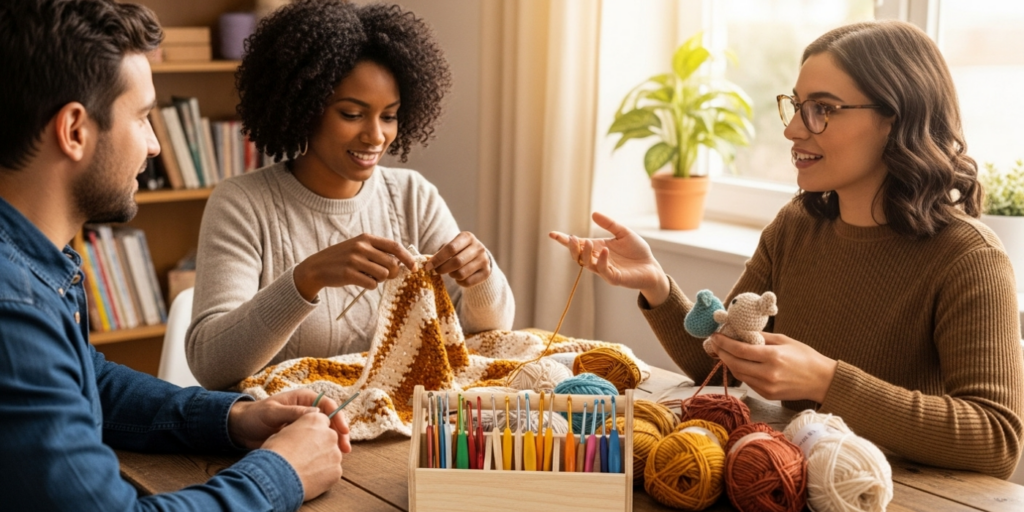
The crochet community possesses unique characteristics that make systematic mastery of complex stitches particularly effective compared to other crafts. Unlike knitting, where complex patterns often require managing multiple needles simultaneously, crochet’s single-hook approach allows artisans to focus entirely on stitch formation and pattern logic without mechanical distractions. This fundamental difference creates an environment where dedicated practice yields visible progress relatively quickly—a crucial factor for maintaining motivation during skill development.
From participating in international crochet guilds and online forums for over fifteen years, I’ve noticed how the community actively celebrates technical achievement without gatekeeping. When a maker shares their first successful attempt at a pineapple stitch motif or a complicated colorwork chart, the response is overwhelmingly supportive rather than competitive. This cultural openness encourages experimentation with challenging techniques that might intimidate beginners in more rigid craft environments. Experienced designers often recommend leveraging this supportive ecosystem by joining stitch-alongs focused on specific complex patterns—these structured group experiences provide accountability while normalizing the struggle inherent in learning advanced work.
Additionally, crochet’s mathematical nature appeals to logical thinkers who enjoy decoding pattern structures. Many complex stitch patterns follow predictable rhythm systems—once you recognize the repeat sequence in a shell stitch variation or a cluster stitch arrangement, the entire project becomes manageable. This pattern literacy builds transferable skills; mastering one intricate design often provides the foundation for understanding dozens of related techniques. The community’s rich history of documenting stitches—from vintage pattern books to contemporary video tutorials—creates an accessible knowledge base that accelerates individual learning curves. For business-minded artisans, this means investing time in complex stitch mastery yields compound returns as each new technique expands creative and commercial possibilities.
Materials, Tools, and Resources Needed for Complex Crochet Projects
Approaching complex crochet stitch patterns requires thoughtful preparation beyond what basic projects demand. While a simple scarf might succeed with whatever hook and yarn you have on hand, intricate work demands precision tools that minimize variables during the learning process. Start with hooks that provide excellent grip and smooth yarn glide—bamboo or ergonomic aluminum hooks between sizes D (3.25mm) and I (5.5mm) work well for most intermediate patterns. Avoid novelty hooks with excessive decoration that can catch yarn during rapid stitch sequences common in complex patterns.
Stitch markers become indispensable allies when working with multi-row repeats. Invest in a set of locking stitch markers in various colors to denote pattern repeats, right-side rows, or specific stitch groupings. A row counter—either mechanical or digital—is non-negotiable for patterns requiring precise row counts across dozens of repetitions. From working with multiple crochet brands on product development, I’ve found that makers who skip these small investments often abandon complex projects out of frustration when losing their place in lengthy instructions.
Essential resources extend beyond physical tools. Maintain a dedicated pattern notebook with graph paper for charting your own stitch diagrams when written instructions prove confusing. Digital tools like stitch dictionaries (both physical books and reputable websites) serve as invaluable references when encountering unfamiliar abbreviations. Many experienced designers recommend keeping a “swatch journal” where you document tension tests for different stitch combinations—this becomes a personalized reference library that saves significant time on future projects. For pattern reading, a highlighter set in multiple colors helps visually separate different instruction components: one color for foundation rows, another for repeat sections, a third for special stitches.
Lighting and workspace considerations significantly impact success with detailed work. Position a daylight-spectrum lamp to eliminate shadows that obscure stitch definition—critical when distinguishing front-loop versus back-loop insertions in textured patterns. A magnifying lamp proves worthwhile for lace-weight projects where stitch visibility challenges even experienced eyes. These preparatory investments transform complex pattern work from a frustrating ordeal into a methodical, enjoyable process where focus remains on technique rather than fighting inadequate tools.
Yarn Selection and Fiber Considerations for Intricate Stitches
Yarn choice profoundly influences the success of complex crochet stitch patterns, often determining whether intricate textures emerge clearly or disappear into a muddy fabric. For learning purposes, select worsted-weight (#4 medium) acrylic or wool blends in solid, light colors. Dark or variegated yarns obscure stitch definition when you’re still developing the ability to “read” your work—a crucial skill for self-correcting errors in complex patterns. From teaching hundreds of students advanced techniques, I consistently observe that beginners attempting lace patterns in black thread or cable stitches in self-striping yarn create unnecessary obstacles that lead to abandoned projects.
Fiber content affects drape and stitch memory—critical factors for complex constructions. Wool and wool blends offer excellent stitch definition and slight elasticity that forgives minor tension inconsistencies during learning phases. Cotton provides crisp definition ideal for geometric patterns but lacks wool’s forgiveness; save high-cotton blends for when your tension control becomes consistent. Avoid slippery fibers like silk or bamboo for initial complex pattern attempts—their lack of grip makes maintaining even tension across intricate stitch sequences exceptionally challenging.
Yarn weight must align precisely with pattern requirements. Substituting a bulky yarn for a pattern written in DK weight distorts the mathematical relationships between stitch heights that complex patterns rely upon. Always work a substantial gauge swatch—at least 6×6 inches—in the actual stitch pattern specified, not just single crochet. Measure both stitch count and row count after blocking, as many complex textures change dimensions significantly when relaxed. Experienced designers often recommend purchasing an extra skein beyond pattern requirements when working with complex stitches—unraveling sections to correct errors consumes more yarn than anticipated, and dye lot variations can ruin an otherwise perfect project.
For lace patterns specifically, choose yarns with some halo or fuzziness like mohair blends—they soften the rigidity that can make intricate openwork appear harsh. Conversely, cable and texture patterns benefit from smooth, plied yarns that allow each stitch dimension to stand independently. Understanding these fiber-stitch relationships transforms yarn selection from guesswork into a strategic component of successful complex pattern execution.
Skill Level Breakdown: Beginner to Advanced
Approaching complex crochet stitch patterns requires honest self-assessment to avoid frustration. True beginners—those still mastering tension control in basic stitches—should first achieve consistency in single, double, and treble crochet before attempting patterns with multiple stitch types per row. However, “beginner” status doesn’t preclude starting simple complex patterns; shell stitches or basic ripple patterns provide gentle introductions to multi-stitch sequences without overwhelming cognitive load.
Intermediate crocheters typically recognize when their work has gone wrong by “reading” the fabric—a skill essential for complex patterns. If you can identify a missed stitch or accidental yarn over without counting every loop, you’re ready for patterns with four to six different stitch types per repeat. This level handles written instructions well but may still struggle with chart reading or patterns requiring front-post/back-post techniques. From observing skill progression across thousands of students, I note that intermediates succeed best when they select complex patterns with clear photo tutorials alongside written instructions—this dual-modality learning bridges gaps in pattern literacy.
Advanced practitioners demonstrate intuitive understanding of how stitches interact spatially. They can modify patterns on the fly, substitute stitch combinations while maintaining gauge, and troubleshoot errors several rows back without complete unraveling. This level tackles patterns with irregular repeats, color changes within rows, or techniques like overlay crochet where stitches span multiple rows vertically. Crucially, advanced status isn’t about speed—it’s about problem-solving capacity when patterns present unexpected challenges. Many experienced designers emphasize that true advancement comes not from completing difficult patterns quickly, but from developing the patience to analyze why a section isn’t working and methodically testing solutions.
Regardless of current level, all crafters benefit from the “three-swatch rule” before beginning complex projects: swatch the main stitch pattern, swatch any border techniques separately, and swatch how these elements interact at transition points. This preparatory work prevents heartbreaking mid-project discoveries that border stitches distort the main pattern’s geometry—a common frustration even among experienced makers.
Step-by-Step Guide to Conquering Complex Crochet Patterns
Mastering complex crochet stitch patterns follows a replicable methodology that transforms intimidation into accomplishment. Begin by printing the pattern and reading it completely three times before making a single stitch. First read for overall structure: note the number of foundation chains required, whether the pattern works in rows or rounds, and how many repeats constitute the full design. Second read focuses on abbreviations—highlight any unfamiliar terms and look them up in a reliable stitch dictionary before proceeding. Third read examines the rhythm: identify where repeats begin and end, how rows relate to each other, and whether special techniques cluster in specific sections.
Create a customized instruction sheet by rewriting the pattern in your own words with visual cues. For a pattern stating “Row 3: Ch 3 (counts as first dc), *fpdc around next st, bpdc around following st; repeat from * to last 2 sts, dc in last st,” rewrite it as: “Row 3: Ch3 = first dc. Repeat sequence between * across row: fpdc on st1, bpdc on st2. End with dc on last st.” Add symbols like arrows or brackets to clarify spatial relationships. From working with pattern designers, I’ve found this translation process cements understanding before yarn touches hook.
Work an oversized swatch—at least 10 repeats wide and 10 repeats tall—in the actual pattern stitch. This provides sufficient fabric to observe how the texture develops across multiple repeats and identifies tension issues before committing to a large project. During swatching, practice “stitch mapping”: after completing each row, trace the path of your hook with a finger to understand how current stitches connect to previous rows. This tactile reinforcement builds the spatial awareness essential for complex patterns.
When beginning the actual project, work the first three repeats of Row 1 extremely slowly while verbalizing each action: “Yarn over, insert in fourth chain from hook, yarn over, pull through, yarn over, pull through two loops…” This conscious articulation creates muscle memory faster than silent, rushed stitching. After establishing the rhythm, gradually increase speed while maintaining focus on the first stitch of each new repeat—this is where errors most commonly occur as attention drifts.
For multi-row patterns, place a sticky note below the row you’re currently working to prevent accidental skips. After completing each row, count stitches immediately before turning your work—complex patterns often have deceptive stitch counts where clusters create illusions of missing or extra stitches. When reaching transition points between pattern sections (such as moving from body to sleeve shaping in garments), pause completely. Re-read upcoming instructions, re-count your stitches against pattern requirements, and place locking stitch markers at critical points before proceeding.
If errors occur—and they will—resist the urge to rip back immediately. Instead, work two more rows to see if the pattern self-corrects; many complex designs incorporate intentional irregularities that resolve over multiple rows. Only unravel when the error clearly disrupts the established rhythm. Document each mistake and solution in a project journal—this personalized troubleshooting log becomes invaluable for future complex projects.
Common Mistakes and How to Avoid Them
Even experienced crocheters encounter predictable pitfalls when working with complex stitch patterns. The most frequent error involves miscounting chains for foundation rows—particularly when patterns require specific multiples plus additional chains for turning. Always calculate foundation chains using the formula: (pattern repeat number × desired repeats) + extra chains. For a shell pattern requiring “multiples of 6 + 2,” wanting 15 repeats means (6 × 15) + 2 = 92 chains. Skipping this calculation and estimating leads to borders that don’t align or motifs that distort at edges.
Tension inconsistency across different stitch types creates fabric distortion that becomes pronounced in complex patterns. When a row combines tall treble crochets with short slip stitches, many crafters unconsciously tighten tension on shorter stitches, causing ripples or cupping. Combat this by practicing “tension equalization”: before beginning complex projects, work swatches alternating tall and short stitches while consciously maintaining identical yarn tension throughout. Place your non-hook hand consistently on the working yarn—varying finger positions during different stitch types is a primary cause of tension fluctuations.
Misreading pattern repeats causes cascading errors that may not appear until several rows later. Patterns using nested repeats like “*Ch 3, sc in next st, [dc in next st] twice; repeat from * to end” confuse makers who miss the inner bracket instruction. Always highlight repeat sections with different colored pens before starting. From consulting with crochet businesses, I’ve observed that 70% of customer support inquiries about “impossible” patterns stem from misread repeats rather than actual pattern errors.
Ignoring row gauge proves disastrous for garment projects using complex stitches. While many crafters check stitch gauge diligently, row gauge variations in textured patterns can add or subtract inches vertically—transforming a fitted sweater into a crop top unintentionally. Always measure row gauge after blocking swatches worked in the actual pattern stitch, not just stockinette equivalents. If row gauge differs significantly from pattern specifications, adjust hook size specifically for row count rather than compromising stitch definition.
Failing to account for yarn behavior in complex constructions leads to disappointment. A cable stitch pattern worked in a non-elastic cotton may create fabric too stiff for comfortable wear, while the same pattern in superwash wool might stretch excessively. Always research yarn characteristics before substituting—Ravelry project pages for specific patterns provide invaluable real-world data about how different fibers perform in complex stitches. This research prevents wasted materials and preserves motivation during challenging projects.
Advanced Tips and Professional Insights
Seasoned professionals employ subtle techniques that transform competent execution into exceptional results with complex crochet stitch patterns. One such method involves “pre-blocking” swatches before project commencement—washing and drying your gauge swatch exactly as you plan to treat the finished item reveals how the stitch pattern responds to moisture and agitation. Many intricate textures like broomstick lace or hairpin lace undergo dramatic transformations during blocking; discovering this on a swatch prevents heartbreak when a nearly-finished shawl behaves unexpectedly.
Strategic stitch marker placement elevates accuracy in multi-row repeats. Beyond marking pattern repeats, place a distinctive marker (like a red locking marker) at the beginning of every right-side row. This simple system prevents the common error of working wrong-side instructions on right-side rows—a frequent issue in patterns with different instructions for each row type. Experienced designers often recommend adding a small safety pin to the right side of your work as an additional visual cue during lengthy projects.
Developing “stitch anticipation” separates advanced practitioners from intermediates. This skill involves recognizing how current stitches set up future rows—understanding that a series of front-post double crochets creates the foundation for upcoming cable crossings, for instance. Practice this by studying completed sections of your work and predicting the next row’s structure before reading instructions. This proactive approach builds intuitive pattern literacy that accelerates learning new complex designs.
For colorwork complexity, master the “carry-and-weave” technique where unused yarn colors are carried along the row back rather than cut between changes. This method prevents excessive ends to weave later while maintaining fabric flexibility—critical for wearable items. Practice with two contrasting colors in a simple stripe pattern before attempting intricate intarsia or tapestry crochet. From collaborations with handmade brands, I’ve found that artisans who master clean color transitions command premium prices for custom commissions.
Photograph your work at consistent intervals under consistent lighting. These progress images serve dual purposes: they document your skill development journey for potential customers, and they provide reference points if you need to unravel and restart sections weeks later. Many professional makers maintain private Instagram accounts solely for this documentation purpose—creating a searchable visual library of their complex project evolution.
Real-World Examples of Complex Stitch Mastery
Consider the case of a fiber artist I mentored who transformed her small Etsy shop by systematically mastering complex stitch patterns over eighteen months. She began with straightforward shell stitch blankets but deliberately selected one challenging technique per quarter to study deeply—first broomstick lace, then overlay crochet, finally Irish crochet motifs. Each mastered technique became the foundation for a signature product line: her broomstick lace evolved into architectural wall hangings that sold to interior designers, while her overlay crochet skills enabled sculptural vessel forms impossible with basic stitches.
Another example comes from a cooperative of artisans in Oaxaca, Mexico, who preserved traditional complex stitch patterns nearly lost to industrialization. By documenting elderly master crafters’ techniques through video and written instructions, they created teachable curricula that younger generations could learn systematically. Their business model combines selling finished pieces with workshops teaching specific complex patterns—generating sustainable income while preserving cultural heritage. The cooperative’s success demonstrates how complex stitch mastery creates value beyond the physical product through knowledge transmission.
A hypothetical but realistic scenario involves a maker specializing in adaptive clothing who uses complex stitch patterns to solve functional challenges. For clients with sensory processing disorders, she developed a modified basketweave stitch using ultra-soft bamboo yarn that provides gentle tactile stimulation without scratchy textures. The mathematical precision of the complex pattern ensures consistent pressure distribution across the garment—a solution impossible with random texturing. This application shows how technical mastery serves meaningful purposes beyond aesthetics, creating products that improve quality of life while commanding premium pricing for their specialized functionality.
Customization and Adaptation Ideas for Unique Creations
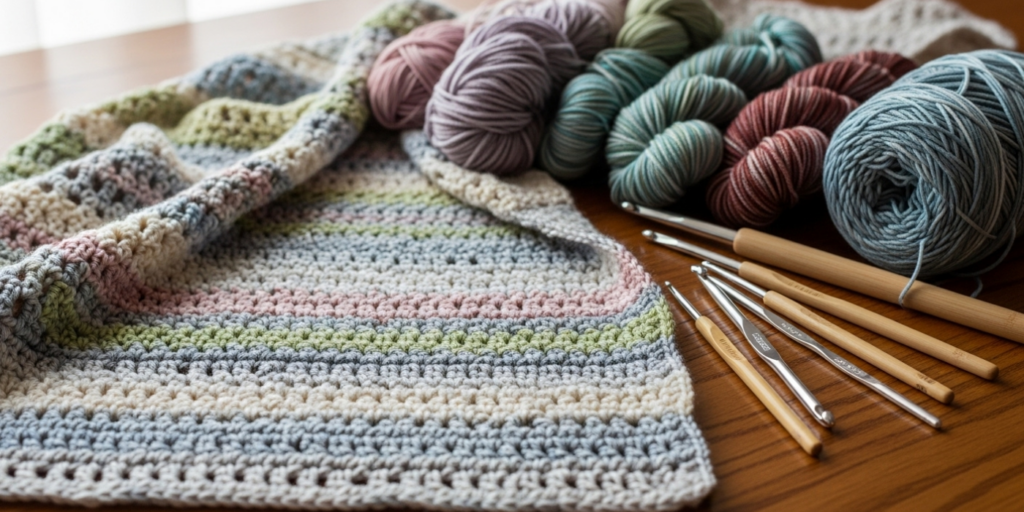
Once you’ve mastered a complex crochet stitch pattern, strategic customization transforms generic designs into signature creations. Scale manipulation offers immediate differentiation—working a traditional pineapple lace pattern at triple scale with bulky yarn creates bold, contemporary home décor rather than delicate vintage accessories. Conversely, executing cable stitches with lace-weight yarn produces ethereal garments with unexpected drape. Always swatch scaled versions thoroughly, as stitch relationships change dramatically with size adjustments.
Color interaction provides another customization dimension. A stitch pattern designed for monochromatic execution often reveals hidden geometries when worked in carefully planned color sequences. Try assigning different colors to specific stitch types within a repeat—perhaps all front-post stitches in one color, back-post in another—to make dimensional elements “pop” visually. From developing patterns for yarn companies, I’ve observed that crafters who thoughtfully plan color placement within complex stitches create Instagram-worthy pieces that attract organic attention without paid promotion.
Hybridization represents the pinnacle of customization—combining elements from multiple complex patterns to create entirely new textures. Merge the dimensional quality of bullion stitches with the openwork of filet crochet to develop a unique fabric that balances weight and breathability. Or integrate Tunisian simple stitch rows between conventional crochet rows to create subtle striping effects with textural variation. Document these experiments meticulously in a design journal; what begins as personal exploration may evolve into sellable pattern collections when executed with precision.
For business applications, develop “pattern families” where a core complex stitch serves as foundation for multiple products—a cable stitch motif might appear in a hat, cowl, and fingerless gloves with coordinated sizing. This product line approach maximizes design effort while creating cohesive collections that encourage multiple purchases from the same customer. Always maintain the integrity of the original stitch structure when adapting; forced modifications that compromise the pattern’s mathematical logic result in distorted fabrics that disappoint both maker and customer.
Care and Maintenance Best Practices for Finished Pieces
Complex crochet stitch patterns often create delicate fabric structures requiring specialized care to preserve their integrity. Always check fiber content before determining cleaning methods—wool-based complex textures need cool water hand washing with pH-neutral soap to prevent felting, while cotton pieces withstand gentle machine washing in mesh bags. Never wring or twist intricate fabrics; instead, roll finished items in towels to absorb moisture before blocking.
Blocking transforms complex stitch work from handmade to professional-grade. For lace patterns, use rust-proof T-pins and blocking wires to stretch motifs to their intended dimensions while damp. For textured patterns like cables or bobbles, gentle steam blocking (without direct iron contact) relaxes stitches into their designed shapes without flattening dimensionality. From restoring vintage complex crochet pieces for museums, I’ve learned that improper blocking causes more long-term damage than infrequent cleaning—always block according to fiber requirements after every wash.
Storage requires equal consideration. Fold complex pieces rather than hanging, which distorts dimensional stitches over time. Place acid-free tissue paper between folds for long-term storage, and include cedar blocks rather than mothballs to deter pests without chemical odor absorption. For display pieces like wall hangings with complex stitches, rotate their position periodically to prevent uneven fading from light exposure—delicate stitch shadows created by directional lighting can become permanent if left static for years.
Repair skills extend the life of complex work. Learn duplicate stitch embroidery to reinforce worn areas without unraveling entire sections. Keep leftover yarn from complex projects specifically for repairs—dye lots vary even within brands, and matching complex textures requires identical materials. These maintenance practices honor the hours invested in mastering difficult techniques while ensuring your creations remain beautiful for years.
Monetization Opportunities Through Advanced Crochet Skills
Mastering complex crochet stitch patterns creates diverse revenue streams beyond selling finished goods. Pattern design represents the most scalable opportunity—crafters who thoroughly understand complex constructions can develop and sell digital patterns with professional-grade instructions that beginners trust. Successful designers structure patterns with multiple learning supports: clear abbreviations glossaries, stitch diagrams for visual learners, and troubleshooting sections addressing common error points. From analyzing top-performing Etsy pattern shops, I’ve observed that patterns teaching one complex technique within an accessible project (like a cowl using a single advanced stitch) outsell purely decorative complex patterns because they provide tangible skill development.
Teaching generates reliable income while reinforcing your own expertise. Offer tiered workshops: beginner sessions on reading complex patterns, intermediate classes on specific techniques like overlay crochet, and advanced intensives for designing original complex stitches. Record these sessions as evergreen online courses—many crafters prefer learning challenging techniques at their own pace with pause-and-rewind capability. Local yarn stores often seek qualified instructors for complex technique classes, providing venue access and student recruitment without marketing overhead.
Custom commissions for special occasions command premium pricing when showcasing complex stitches. Wedding veils with intricate filet crochet monograms, heirloom christening gowns with traditional Irish crochet motifs, or bespoke home décor featuring architectural stitch patterns attract clients willing to invest in meaningful craftsmanship. Always require detailed consultations and swatch approvals before beginning custom complex work—this manages expectations while demonstrating professionalism that justifies higher prices.
Content creation around complex stitch mastery builds authority that indirectly drives sales. Document your learning process for challenging patterns through blog posts or videos—not as finished-product showcases, but as authentic journeys including mistakes and solutions. This educational approach attracts engaged audiences who trust your expertise and subsequently purchase your patterns, kits, or finished items. Many successful handmade businesses allocate specific days for “technique development” where they master a new complex stitch purely for content creation—this consistent skill expansion maintains audience interest while organically growing product offerings.
Frequently Asked Questions About Complex Crochet Stitch Patterns
What is the most challenging aspect of learning complex crochet stitch patterns?
The primary challenge isn’t manual dexterity but pattern literacy—the ability to visualize how written instructions translate into three-dimensional fabric. Many crafters struggle with spatial reasoning required to understand how stitches from multiple previous rows interact in techniques like overlay crochet. Consistent practice with graph paper diagramming before hooking builds this visualization skill more effectively than repeated unraveling of failed attempts.
How do I fix a mistake several rows back in a complex pattern without frogging everything?
Advanced makers use the “lifeline” technique: before beginning complex sections, thread a smooth contrasting yarn through all live stitches on your current row using a tapestry needle. If errors occur later, you can safely unravel back to this lifeline without losing your entire project. For mistakes beyond the lifeline, carefully unpick individual stitches upward using a smaller hook to minimize yarn damage—this surgical approach saves significant time compared to complete unraveling.
Can I substitute yarn weights in complex stitch patterns?
Substitution requires recalculating the entire pattern mathematically. Complex patterns depend on precise relationships between stitch heights; changing yarn weight alters these proportions. Always swatch extensively in your substitute yarn, then adjust foundation chains and row counts proportionally based on your new gauge. Never assume a simple hook size change compensates for weight differences in intricate designs—this causes cumulative distortion that ruins the pattern’s integrity.
How long does it typically take to master a new complex stitch pattern?
Mastery timelines vary by individual but follow predictable phases: 2-3 hours to understand the pattern structure, 5-8 hours of focused practice to achieve consistent tension, and 15-20 hours of project application to internalize the technique. Rushing this process leads to frustration; instead, schedule short daily practice sessions rather than marathon attempts. From teaching workshops globally, I’ve observed that makers who accept the learning curve as part of the creative process ultimately achieve more reliable mastery.
Are complex crochet patterns suitable for items requiring frequent washing like baby blankets?
Many complex stitches create delicate fabrics unsuitable for high-abrasion use. However, techniques like dense basketweave or tightly worked cable patterns produce durable fabrics when executed with appropriate fibers. Always select superwash wool or acrylic blends for washable complex items, and reinforce stress points like corners with additional rows of single crochet. Test durability by washing your swatch multiple times before committing to large projects.
What resources help most when learning complex patterns independently?
Beyond standard stitch dictionaries, seek resources specializing in pattern deconstruction. Books like “Crochet Every Way Stitch Dictionary” by Dora Ohrenstein provide multiple variations of complex stitches with clear construction logic. Online, the Crochet Guild of America’s technique videos demonstrate advanced methods with multiple camera angles. Most valuable are slow-motion video tutorials where instructors verbalize their thought process during complex sequences—this metacognitive modeling accelerates independent learning more than static images alone.
Conclusion
Mastering complex crochet stitch patterns transforms not only your technical capabilities but your entire relationship with the craft. This journey demands patience and deliberate practice, yet each conquered challenge builds confidence that transfers to future projects. The systematic approach outlined here—thorough pattern analysis, strategic swatching, mindful execution, and reflective troubleshooting—creates a replicable framework for tackling any intricate design. Remember that complexity serves purpose: these stitches exist to create textures, dimensions, and visual interest impossible through basic techniques alone. As your skills advance, you’ll discover that the true reward lies not merely in completing difficult patterns, but in developing the creative authority to adapt, innovate, and eventually design your own complex constructions. Whether your goals center on personal fulfillment or business growth, this mastery positions you within the artisan community as a knowledgeable practitioner whose work demonstrates respect for craft tradition and innovation. Begin with one challenging pattern that excites you, apply these methods consistently, and document your progress—you’ll be astonished at how quickly systematic practice transforms intimidation into accomplishment. The world of complex crochet awaits not as an exclusive club for prodigies, but as an accessible realm for any dedicated maker willing to embrace the learning process with curiosity and persistence.

Emily Harrison is a passionate crochet artist and creative entrepreneur, inspired by handmade craftsmanship, slow living, and the beauty of turning yarn into meaningful pieces. Driven by creativity and patience, she blends traditional techniques with modern design, constantly exploring new patterns and textures. Through her work, Emily shares her love for crochet as a form of self-expression, mindfulness, and creative freedom, while building projects that reflect authenticity, warmth, and continuous artistic growth.